



Anxiety Across Life Stages: Puppies, Adults, and Senior Dogs
Fear and anxiety are not one personality type or one life-stage problem. Puppies are learning what is safe during sensitive developmental periods. Adolescents and adults may show inherited tendencies, learned…

Living Well with a Dog Who Has Chronic Joint Disease
Chronic joint disease changes over time, but the diagnosis does not define the dog's entire life. Good care focuses on comfortable participation in meaningful activities while protecting safety, muscle, sleep,…
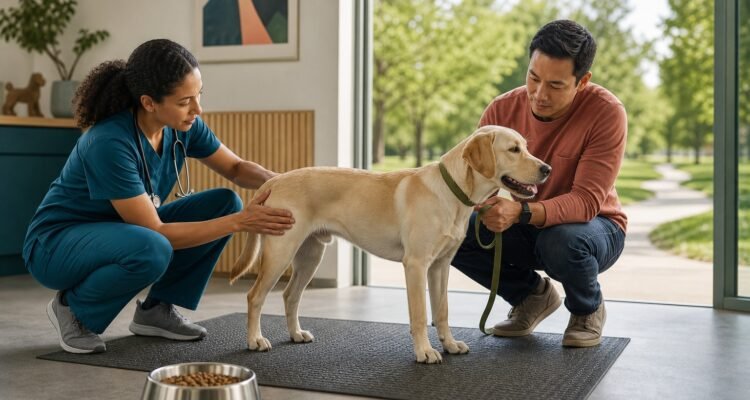
Preventing Joint Problems in Dogs: What Research Supports
No owner can guarantee that a dog will avoid hip dysplasia, cruciate disease, osteoarthritis, injury, or age-related mobility change. Genetics, conformation, breed, growth, age, sex, prior joint disease, and chance…
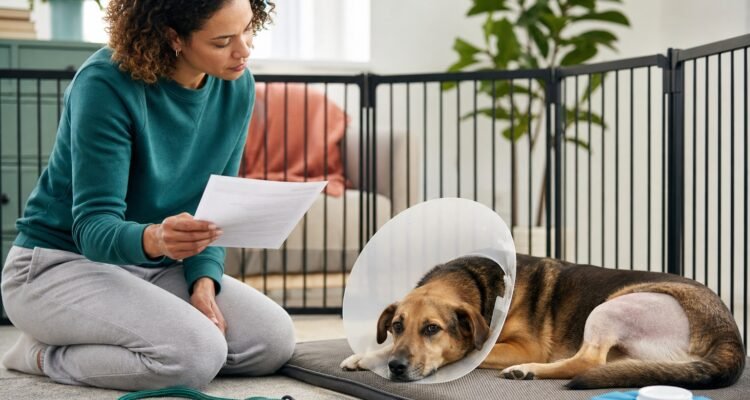
Post-Surgery Recovery for Dogs with Joint Conditions
Recovery after joint surgery is not one generic timeline. The procedure, repaired tissue, fixation, surgeon's technique, dog, other diseases, medication response, home environment, and recheck findings determine what is safe.…
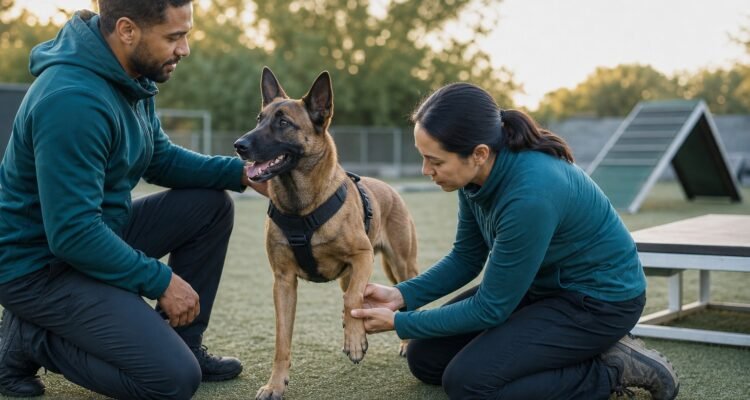
Working Dogs and Joint Health: Special Considerations
Working dogs may search, detect, guide, assist, herd, retrieve, guard livestock, compete, perform therapy work, or support public safety. Each role creates a different mix of speed, jumping, traction, turning,…
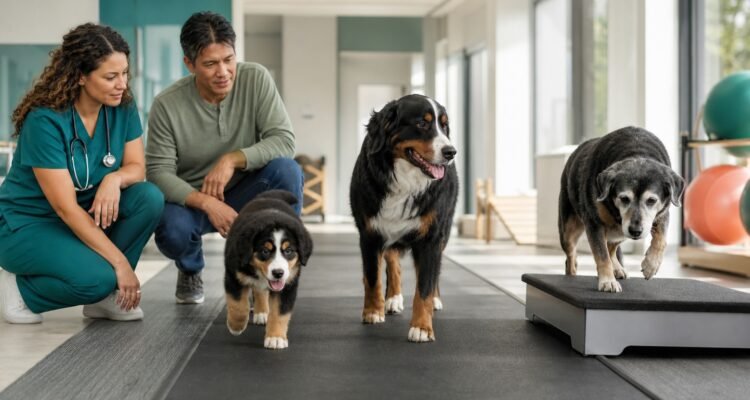
Joint Health Across Life Stages: From Puppy to Senior Dog
Joint health is a lifelong interaction among genetics, conformation, growth, nutrition, body condition, muscle, activity, injury, disease, environment, and aging. A puppy needs controlled growth and developmentally appropriate movement, not…

Post-Illness Gut Recovery in Dogs: A Vet-First Guide
Recovery after vomiting, diarrhea, hospitalization, infection, surgery, medication exposure, pancreatitis, or another gastrointestinal illness is not a universal microbiome reset. The right plan depends on what caused the illness, what…
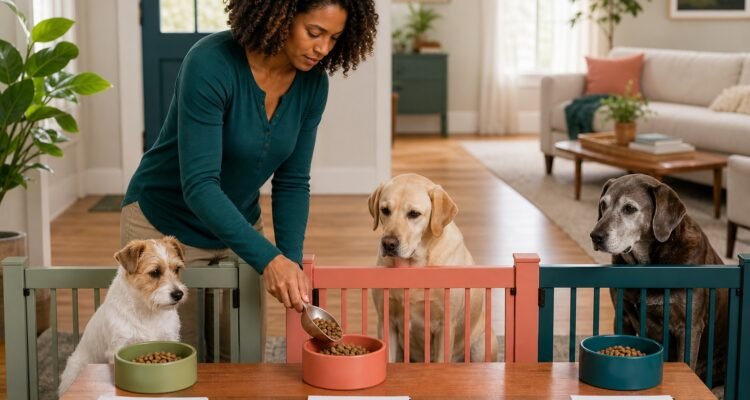
Multi-Dog Households and Digestive Health: Managing Different Needs
In a multi-dog home, digestive care can fail for logistical reasons even when every individual plan is sound. Dogs may swap bowls, steal treats, share flavored chews, drink from contaminated…

Home-Cooked Diets for Dogs: Gut Health Considerations
A home-cooked dog diet can be used in selected healthy or medically complex dogs, but it is not automatically gentler, more digestible, safer, or more nutritious than a complete commercial…

Managing a Dog with Chronic Digestive Issues: Owner Strategies
Chronic or recurrent vomiting, diarrhea, appetite change, weight loss, or other gastrointestinal signs are not one disease. They can reflect parasites, dietary response, chronic inflammatory enteropathy, pancreatic or liver disease,…