



Supplement Needs Across Life Stages: Puppies, Adults, Seniors
Puppies, adults, and senior dogs have different preventive-care and nutrition questions, but age alone does not prove that a supplement is needed. A puppy eating a complete and balanced growth…
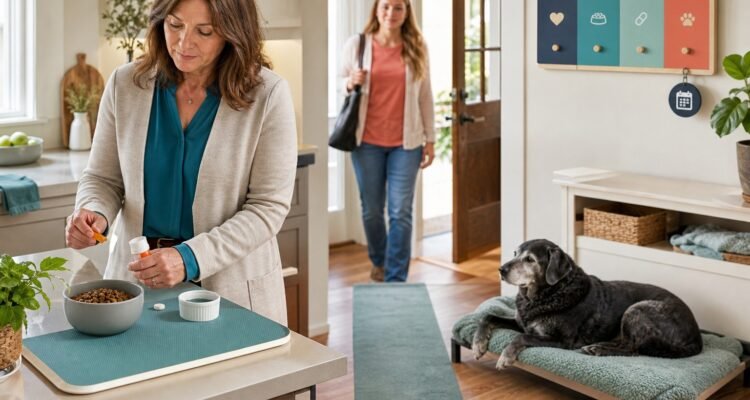
Integrating Senior Dog Care into a Busy Owner Lifestyle
Senior care can include measured meals, medication, toileting, mobility assistance, grooming, observation, appointments, and interrupted sleep. A demanding schedule does not make attentive care impossible, but relying on memory and…

Post-Illness Recovery Support for Senior Dogs
A senior dog returning home after illness may be weaker, sleepier, less coordinated, less interested in food, or more dependent on assistance than before. Those signs can reflect expected recovery,…
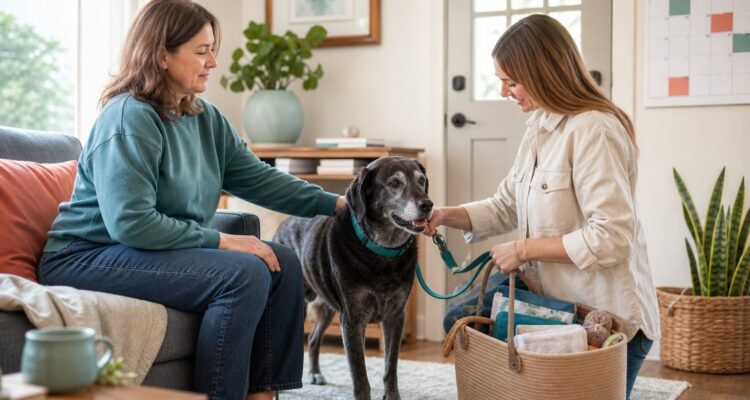
Caregiver Fatigue When Caring for a Senior Dog: Owner Wellbeing
Caring for a senior dog can include interrupted sleep, lifting, toileting, cleaning, medication schedules, special feeding, repeated appointments, financial decisions, and worry about decline. Love and fatigue can exist at…
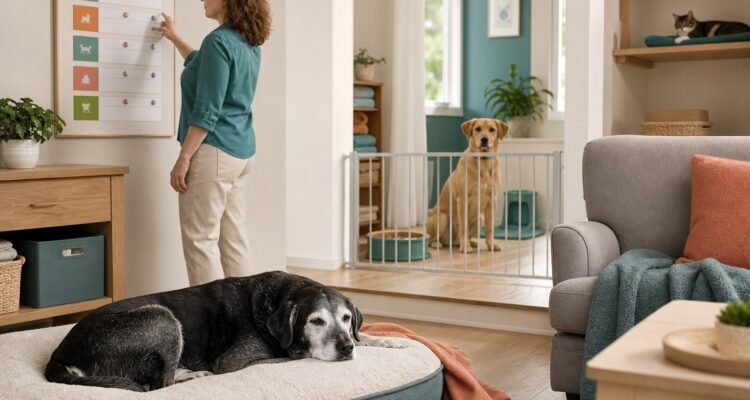
Multi-Pet Households with a Senior Dog: Managing Different Needs
A senior dog may need more sleep, easier routes, different food, medication, slower movement, and protection from rough play. Younger dogs and cats still need species-appropriate activity, training, retreat, and…

Supporting a Senior Dog Through a Major Life Change
Moving, bereavement, a new caregiver, household changes, travel, or a disrupted schedule can affect any dog. In a senior dog, the same transition may intersect with pain, reduced hearing or…
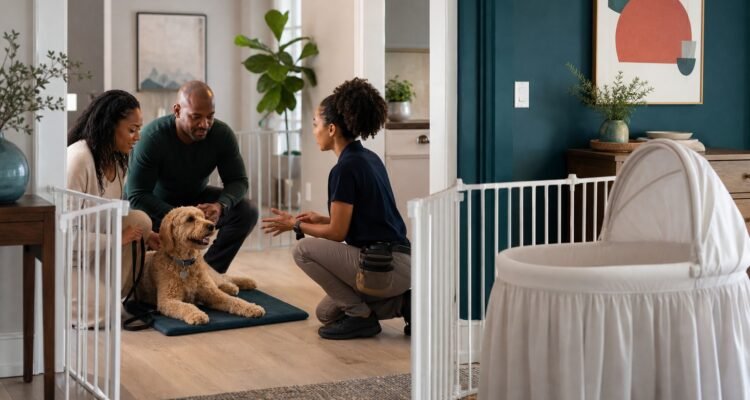
New Baby and Dog Anxiety: A Vet-First Transition Guide
A new baby changes sound, movement, scent, sleep, visitors, furniture, and caregiver attention. Those changes can be difficult for a dog who already startles, guards resources, struggles with handling, or…
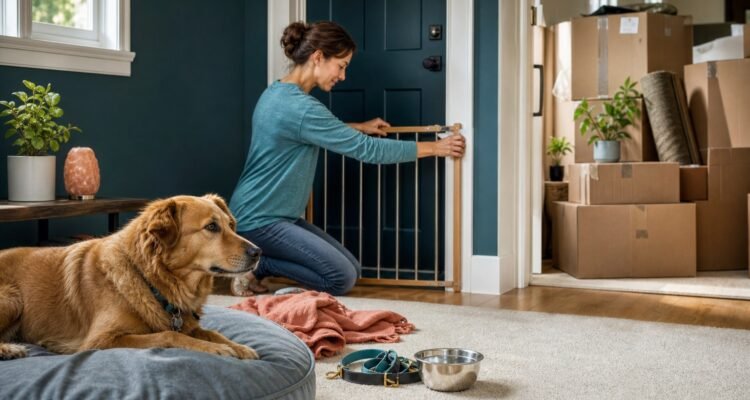
Moving House with an Anxious Dog: Owner Preparation Guide
Moving changes smells, sounds, routes, people, doors, schedules, sleeping places, and owner attention all at once. Packing and repair work can begin the disruption weeks before travel, while movers and…

Grief and Loss in Dogs: What Behavioral Research Indicates
After an animal or human companion dies or leaves, a dog may eat differently, sleep more or less, search, vocalize, cling, withdraw, play less, seem fearful, or show no obvious…
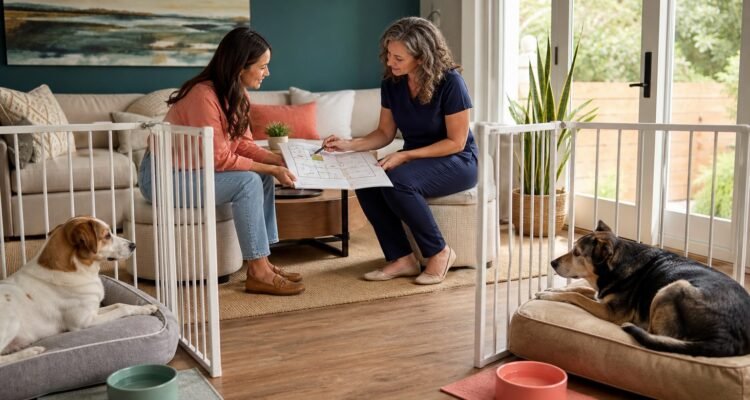
Multi-Dog Households and Anxiety: When Dogs Trigger Each Other
Dogs in one home can influence each other's arousal, fear, barking, resource access, sleep, and recovery. One dog may react to a noise, visitor, fence event, owner arrival, food, toy,…