Monitor digestive health at home
Use a simple record of appetite, stool, vomiting, diet, exposures, and behavior.


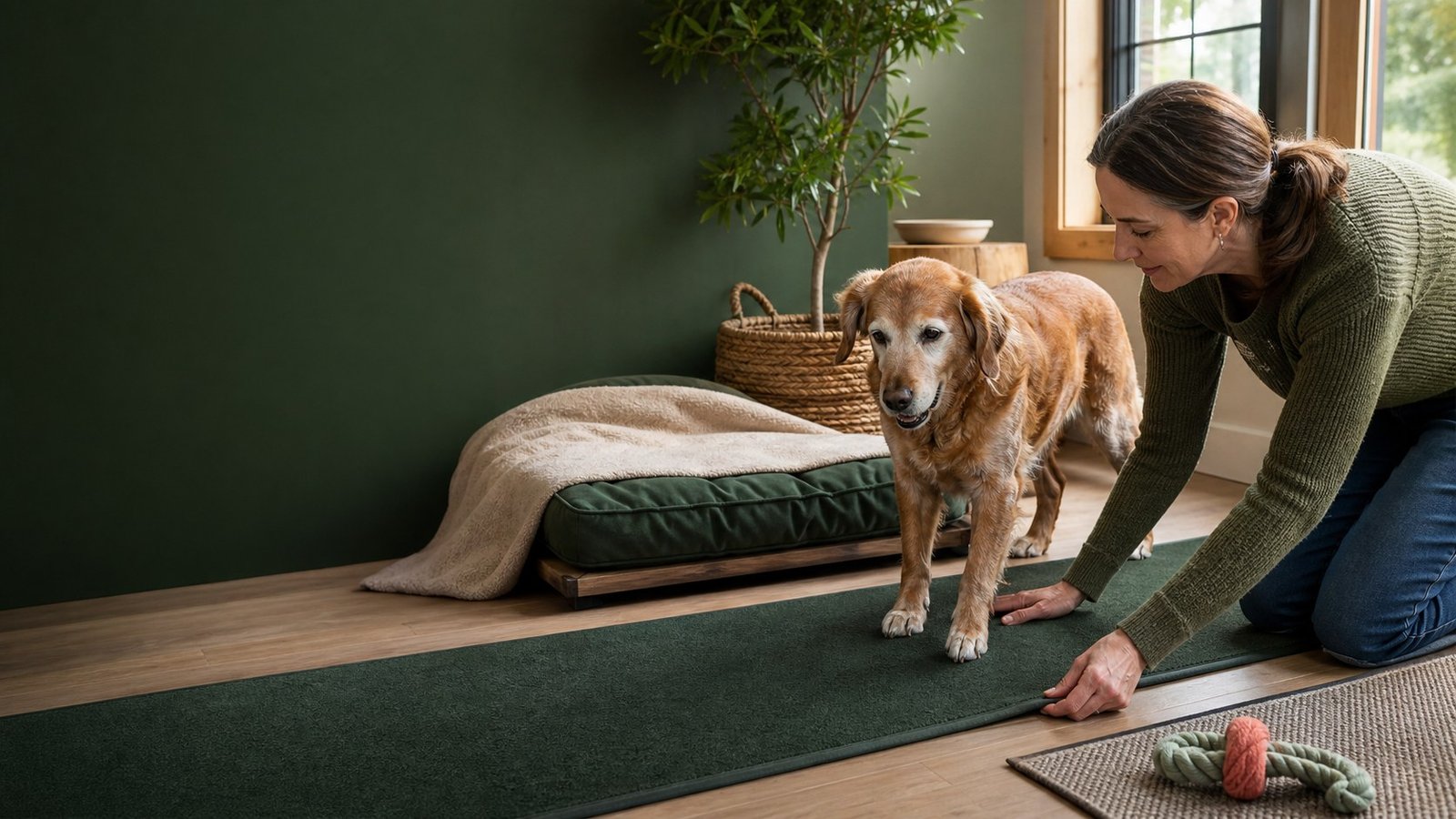
Evidence-aware ways to improve the home environment, track patterns, and support comfort without treating “natural” as a guarantee of safety.
Home support can make routines easier and observations clearer, but it does not replace diagnosis or treatment. “Natural” describes a source, not whether something is safe, effective, correctly dosed, or appropriate for your dog.
These guides focus on low-risk observation and environmental adjustments while keeping veterinary boundaries visible.
Use a simple record of appetite, stool, vomiting, diet, exposures, and behavior.
Track movement across consistent daily activities rather than relying on one good or bad day.
Record triggers, distance, intensity, body language, recovery, and what helped.
Create a broad baseline that catches connected changes across body systems.
Review traction, access, resting areas, stairs, temperature, and safe movement paths.
Reduce preventable triggers while preserving choice, retreat space, and predictable routines.
Adapt surfaces, feeding stations, rest areas, lighting, access, and supervision.
Understand pacing and activity options to discuss for dogs with mobility limitations.
Improve traction, access, temperature, noise, lighting, and rest before adding products.
A controlled change helps you judge whether it improved comfort or introduced a new problem.
Use the same activity or time of day as a reference so comparisons are meaningful.
Bring the log and any product labels to the veterinary team before escalating home remedies.
Move between question types, or return to the full Popular Questions library.