

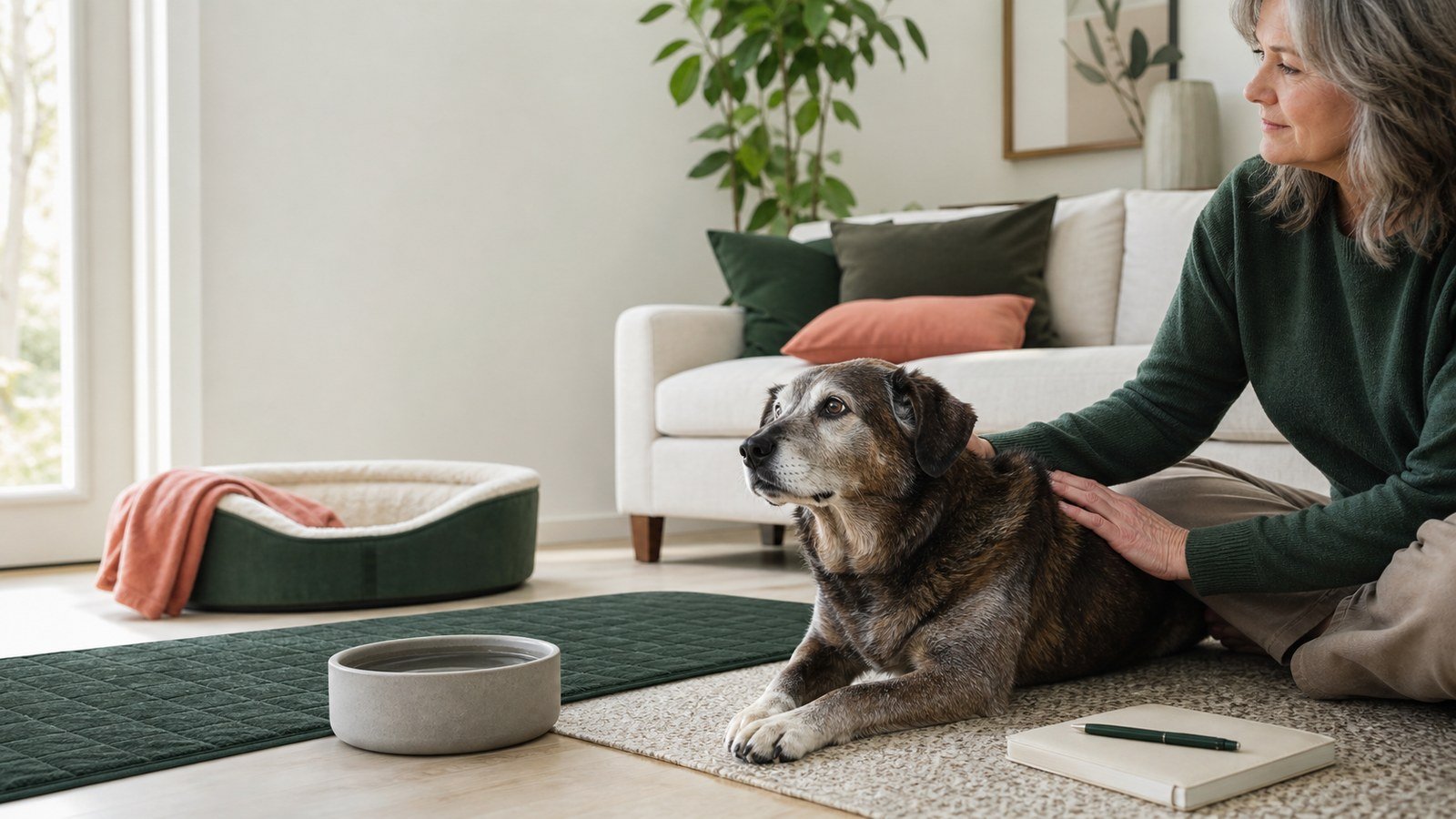
Short answer: Senior dog wellness is about supporting comfort and quality of life every day, not waiting until problems are obvious. As dogs age, their mobility, digestion, weight, behavior, skin, coat, dental needs, and overall resilience can change. A practical senior routine should center on regular veterinary checkups, joint-friendly movement, healthy body condition, suitable nutrition, home comfort, and careful tracking of changes. Supplements may be discussed for some senior dogs, but they are not automatic and should follow veterinary guidance. Use this guide as a daily and monthly checklist, then share your notes with your veterinarian so routines, diet changes, exercise, and supplement questions fit your dog’s age, health history, medications, and symptoms.
Short Answer: What Matters Most for Senior Dog Wellness?
Comfort, Mobility, Digestion, Weight, and Regular Vet Care
The strongest senior dog wellness plan is broad and consistent. It watches how your dog rises, walks, eats, drinks, rests, interacts, digests food, maintains weight, and responds to familiar routines. None of those observations diagnose a condition, but they help your veterinarian understand what is changing.
Why Small, Consistent Actions Add Up Over Time
Short daily notes, gentle routine checks, safer flooring, predictable meals, and scheduled vet visits can make senior care feel less reactive. The goal is not perfection; it is noticing patterns early and asking for veterinary guidance before changes become severe.
Senior Dog Red-Flag Callout
Contact your veterinarian promptly if your senior dog has sudden weight loss, major mobility changes, clear pain, difficulty standing, collapse, ongoing vomiting or diarrhea, appetite loss, major behavior changes, breathing difficulty, confusion, or rapid decline. Do not assume these signs are “just old age,” and do not try new supplements or home remedies instead of professional care.
What Age Is a Dog Considered Senior?
General Age Ranges by Size
Small dogs often enter senior years later than large or giant breeds, while large and giant dogs may need senior-focused screening earlier. These ranges are only a starting point. Breed, body condition, medical history, activity level, and current signs matter.
| Dog size | Common senior-care discussion window | What to ask your vet |
|---|---|---|
| Small dogs | Often around 9 to 11 years | When should screening, dental checks, and mobility tracking increase? |
| Medium dogs | Often around 8 to 10 years | What weight, activity, and diet changes should we watch? |
| Large dogs | Often around 7 to 8 years | How should we monitor joints, weight, and stamina? |
| Giant dogs | Often around 5 to 7 years | Which early mobility signs should prompt a visit? |
Why Senior Is About Changes, Not Just a Birthday
A dog’s age category matters less than what you see at home. New stiffness, digestive changes, sleep disruption, anxiety-like behavior, weight changes, or appetite changes should be discussed with your veterinarian instead of being dismissed as normal aging.
Why Senior Dog Wellness Needs a Full Routine
How Multiple Body Systems Change With Age
Senior wellness is not only about joints. Older dogs may need closer attention to teeth, body condition, digestion, skin, coat, vision, hearing, sleep, behavior, kidney or liver screening, and medication interactions. A full routine keeps these areas visible.
Why Mobility, Digestion, Behavior, and Comfort Are Linked
A dog that moves less may gain weight, lose muscle, become less engaged, or show different stool patterns. A dog with digestive upset may eat less or sleep more. A checklist helps you bring the whole picture to your veterinarian.
Vet Checkups and Preventive Screening
How Often Senior Dogs Should See the Vet
Many senior dogs benefit from more frequent checkups than younger adults. Your veterinarian may recommend annual, twice-yearly, or condition-specific visits depending on your dog’s age, breed, medications, and health history.
Common Senior Screening Discussions
Depending on your dog, your vet may discuss bloodwork, urine testing, dental exams, weight and body condition, pain assessment, imaging, mobility checks, eye or ear changes, and medication review. These are veterinary decisions, not at-home diagnosis steps.
Preparing Questions and Notes for Each Visit
Bring your dog’s food, treat, medication, and supplement list. Include notes on appetite, water intake, stool, weight, sleep, behavior, movement, and any videos of limping, stiffness, stairs, or confusion.
Vet-Visit Tracker Table
| Date | Visit type | Key notes | Action items | Follow-up timing |
|---|---|---|---|---|
| [Add date] | Wellness, screening, dental, mobility, follow-up | [Weight, body condition, symptoms, exam notes] | [Diet, medication, activity, home setup, supplement decisions] | [Next check or recheck] |
Mobility and Joint Health
Watching for Early Mobility Changes
Track stiffness after rest, slow rising, reluctance to jump, cautious stairs, lagging on walks, limping, or reduced interest in play. These are reasons to talk with your vet, not proof that a joint supplement is needed. For deeper guidance, read Early Signs of Joint Problems in Dogs and Dog Joint Health: Prevention, Support, and Mobility.
How Joint-Friendly Routines, Surfaces, and Vet Care Support Comfort
Gentle movement, traction, ramps, controlled exercise, healthy weight, and veterinary pain assessment may all matter. If arthritis or joint pain is a concern, use Arthritis & Joint Pain in Dogs: Symptoms, Vet Care, and Support as the condition-side safety anchor.
Mobility Tracking Table
| Date/time | Activity | Observed sign | Severity note | Question for vet |
|---|---|---|---|---|
| [Add] | Getting up, stairs, walk, play, rest | Stiffness, limp, reluctance, slipping, slower pace | Mild, moderate, severe, improving, worsening | [Add question] |
Weight Management and Body Condition
Why Healthy Weight Matters More for Seniors
Extra weight can add stress to joints and make movement harder, while unexplained weight loss can be a warning sign. Do not handle weight loss or gain casually in a senior dog; ask your veterinarian to help identify causes and safe goals.
Assessing Body Condition With Your Vet
Ask your vet what weight range and body condition score fit your dog. Use home notes for trends, but rely on veterinary guidance before changing portions, diets, or exercise routines.
Nutrition and Senior Dog Diet
Diet Adjustments for Age, Activity, and Health Context
Some senior dogs need different calories, protein considerations, fiber, dental-friendly textures, or condition-specific nutrition. Others may do well on their current food with portion adjustments. Diet changes can affect digestion, medications, and weight, so discuss them with your vet before switching.
Working With Your Vet Instead of Guessing
Bring the label or exact food name, daily amount, treats, toppers, and supplements to the appointment. If your vet recommends a supplement, use How to Read a Dog Supplement Label to compare directions, warnings, ingredients, and overlap.
Digestion and Gut Health in Senior Dogs
Common Digestive Changes in Older Dogs
Senior dogs may show changes in appetite, stool quality, gas, sensitivity, vomiting, or water intake. Ongoing vomiting, diarrhea, blood in stool, appetite loss, or rapid changes need veterinary attention before any probiotic or digestive supplement decision.
When Gut Signs Need Vet Attention Before Any Supplement
For gut-specific education, read Gut & Digestion Supplements for Dogs, Digestive Issues in Dogs, and, after vet guidance, Best Dog Probiotics for Digestive Health. Probiotics may support some gut plans, but they do not replace diagnosis or care for senior digestive disease.
Supplements for Senior Dogs
Senior-Focused Supplement Category Cards
Joint Support
Common use: Discussed for mobility and joint comfort support. Vet-guided context: Use after evaluation of stiffness, limping, arthritis concerns, medication needs, and health history. Label reminder: Review glucosamine, chondroitin, MSM, omega-3s, and serving directions. See the Joint & Mobility Supplements for Dogs guide, Dog Joint Supplement Ingredients Explained, and Best Joint Supplements for Dogs after vet guidance.
Gut Support
Common use: Discussed for stool quality or digestive support after a vet reviews signs. Vet-guided context: Do not use probiotics to delay care for ongoing vomiting, diarrhea, appetite loss, or rapid decline. Label reminder: Check strains, CFUs, storage, inactive ingredients, and warnings.
Calming and Anxiety Support
Common use: May be discussed for some stress or behavior plans. Vet-guided context: New anxiety, confusion, sleep changes, or withdrawal in seniors should be discussed with a vet because medical issues can contribute. Future/planned link: Calming & Anxiety Supplements for Dogs.
Skin and Coat Support
Common use: May be discussed for skin, coat, or barrier support after evaluation. Vet-guided context: Itching, sores, hair loss, odor, or sudden coat changes need veterinary input. Related guide: skin and coat support [planned/future hub].
Multivitamins and Daily Wellness
Common use: May be discussed when diet, intake, or medical context suggests a need. Vet-guided context: Multivitamins do not replace balanced nutrition or diagnose deficiencies. Related guide: multivitamin and daily wellness decisions [planned/future hub].
Why Supplements Should Follow Vet Guidance
Senior dogs often have medication lists, diagnoses, appetite changes, or organ-health considerations that make supplement review more important. Ask your veterinarian before starting supplements, especially for seniors, medications, chronic symptoms, or health conditions.
Using Label and Ingredient Literacy
Compare products by active ingredients, serving size, warnings, inactive ingredients, quality signals, and overlap with foods or other supplements. Read how Healthy Paws Essentials reviews senior-focused supplements and other products and how we handle affiliate links and recommendations before using best-of pages.
Cognitive, Anxiety, and Behavior Changes
Normal Versus Concerning Changes
Some senior dogs sleep more or prefer quieter routines, but new confusion, pacing, anxiety-like behavior, accidents, withdrawal, disorientation, or major interaction changes should be discussed with your veterinarian. Do not assume behavior changes are harmless aging.
When Behavior Changes Warrant a Vet Check
Behavior changes can be connected to pain, sensory changes, cognitive changes, medications, anxiety, or other health concerns. Supportive options, including calming products, should follow a veterinary or qualified behavior conversation.
Skin, Coat, Dental, and Grooming Needs
Senior Coat and Skin Care
Brush regularly, watch for lumps, sores, odor, itchiness, dry skin, matting, or coat changes, and ask your vet about anything new or persistent. Skin and coat support should be based on the cause, not guesses.
Dental Health and Oral Care
Dental pain can change appetite, behavior, and overall comfort. Ask your vet about dental exams, home care, chewing safety, and any changes in breath, chewing, drooling, or food preference.
Grooming Adaptations
Keep sessions shorter, support traction, use gentle handling, and avoid forcing uncomfortable positions. Nail and paw-pad care can matter more as mobility changes.
Home Comfort and Accessibility
Adjusting Flooring, Ramps, Stairs, and Beds
Non-slip rugs, ramps, lower beds, softer resting spaces, and blocked access to unsafe stairs can help some seniors move more confidently. Choose changes based on what your dog can do safely and what your vet recommends.
Food, Water, and Rest Areas
Place essentials where your dog can reach them easily. Watch whether your dog avoids bowls, struggles to bend, slips near water, or has trouble getting to favorite rest areas.
Home Comfort Checklist
- Non-slip paths to food, water, doors, and beds
- Easy access to a supportive resting area
- Ramps or steps only if your dog can use them safely
- Water available on the main living level
- Good lighting for night movement
- Trimmed nails and paw-pad checks
- Reduced jumping where possible
- Quiet rest area away from household stress
Daily Senior Dog Wellness Routine
Morning Checks
Observe how easily your dog rises, note appetite and water interest, check stool if available, and watch first steps after rest. Give medications or supplements only as directed by your vet.
Daytime Movement and Enrichment
Use gentle, consistent movement when appropriate, provide sniffing or low-impact enrichment, and avoid sudden intense activity. Adjust walks with vet guidance if mobility, breathing, or stamina changes.
Evening Wind-Down
Note comfort, sleep location, behavior, appetite, and any stiffness after the day. Keep a brief log if changes are repeating.
Senior Dog Wellness Checklist Module
Weekly Review
- Observe rising, stairs, walks, and play comfort
- Record appetite, water intake, stool, and vomiting or diarrhea
- Check weight trends or body shape if your vet recommends tracking
- Look at skin, coat, ears, teeth, nails, and paw pads
- Note sleep, anxiety-like behavior, confusion, or interaction changes
- Review home surfaces, beds, ramps, and bowl access
Monthly Review
- Update medication and supplement list
- Review vet questions and any symptom videos
- Check whether diet, treat intake, or activity changed
- Confirm upcoming preventive care, screening, or recheck appointments
- Discuss persistent changes with your veterinarian rather than waiting for the next routine visit if signs are concerning
How to Use the Checklist With Your Vet
Bring the checklist to visits and ask which items matter most for your dog’s age, breed, health history, and current concerns. The checklist is a conversation tool, not a substitute for an exam.
Senior Dog Weekly/Monthly Review Checklist
| Area | Weekly note | Monthly review | Vet question |
|---|---|---|---|
| Mobility | Rising, stairs, stiffness, slipping | Better, worse, or stable? | Does this need an exam or plan change? |
| Digestion | Appetite, stool, vomiting, diarrhea | Any repeated pattern? | Should diet or testing be discussed? |
| Weight/body condition | Appetite, treats, body shape | Any gain or loss? | What is a safe target? |
| Behavior/sleep | Confusion, anxiety-like signs, sleep | New or worsening? | Could pain or health issues contribute? |
| Skin/coat/dental | Itch, sores, odor, teeth, nails | Needs grooming or exam? | What should be checked? |
When Senior Dogs Need a Vet Promptly
Red-Flag Signs in Mobility, Digestion, Weight, and Behavior
Call your veterinarian promptly for sudden weight loss, appetite loss, ongoing vomiting or diarrhea, clear pain, collapse, breathing difficulty, confusion, rapid decline, major behavior changes, severe stiffness, or sudden mobility changes. These signs should not be managed first with supplements or home routine changes.
Why Just Old Age Is Not a Reason to Delay Care
Aging can change routines, but pain, rapid decline, appetite loss, weight changes, or confusion are not things to ignore. Senior dogs deserve timely evaluation and comfort-focused care.
Related Guides and Next Steps
Senior Dog Wellness FAQs
At what age is my dog considered a senior?
Smaller dogs often enter senior years later than large or giant breeds, but age alone does not tell the whole story. Changes in activity, mobility, and health patterns matter too. Your vet can help you decide when to treat your dog as a senior for care and screening purposes.
How often should my senior dog see the vet?
Many senior dogs benefit from more frequent checkups than younger adults, often at least once a year and sometimes twice or more depending on health. Your vet can suggest a schedule tailored to your dog’s age, breed, and medical history.
Do all senior dogs need supplements?
No. Senior dogs do not automatically need supplements. Some may do well with diet, weight management, vet-guided exercise, and medical care alone. Supplements, if used, should follow a vet exam and be chosen for your dog’s specific needs rather than age alone.
What is the most important wellness focus for senior dogs?
Comfort, mobility, healthy weight, and regular veterinary care are central. A predictable routine and attention to digestion, behavior, dental care, and home environment also matter.
Can I change my senior dog’s diet on my own?
Diet changes can affect weight, digestion, and overall health, so it is safer to discuss them with your vet first. They can help you choose food, adjust portions, and monitor response.
Should senior dogs still exercise daily?
Most senior dogs benefit from regular, gentle movement, but intensity and duration often need adjustment. Your vet can help design a routine that supports mobility and comfort without overtaxing your dog.
Are joint supplements recommended for all senior dogs?
No. Joint supplements are commonly discussed for seniors, but they are not automatically needed or appropriate for every dog. Your vet should guide any decision to use them.
How can I tell if behavior changes are normal aging or a concern?
Some changes may happen with age, but new anxiety, confusion, withdrawal, accidents, or major routine shifts may signal pain, cognitive changes, or illness. Mention them to your vet.
What home adjustments help senior dogs?
Non-slip rugs, safer access to beds and bowls, ramps used carefully, quiet rest areas, and good lighting can help some seniors. Ask your vet which changes fit your dog’s mobility and health.
When should I seek urgent vet care for a senior dog?
Sudden major changes such as difficulty standing, severe pain, collapse, breathing difficulty, ongoing vomiting or diarrhea, appetite loss, confusion, or abrupt behavior changes warrant prompt veterinary attention.
Sources and Further Reading
Medical and Veterinary Disclaimer
This guide is educational and is not a substitute for veterinary diagnosis, treatment, medication, pain management, nutrition planning, behavior care, dental care, rehabilitation, or individualized senior-dog care. Ask your veterinarian before changing diet, exercise, medications, supplements, or home routines, especially for seniors with symptoms, medications, chronic conditions, or rapid changes. Read our medical and veterinary disclaimer.