



Large-Breed Dogs and Joint Health: Risk Factors and Owner Guidance
Large and giant dogs can be predisposed to developmental orthopedic conditions, including hip and elbow dysplasia, but breed or size does not predict how one dog feels or functions. Genetics,…

Traveling with a Dog with Digestive Sensitivities: Owner Strategies
Travel changes meal timing, water sources, motion, temperature, activity, sleep, toileting access, parasite exposure, and emotional arousal. Any of those changes can coincide with loose stool, vomiting, appetite change, or…

Gut Health and Skin Coat Condition in Dogs: What Research Shows
The intestine, immune system, skin barrier, diet, and microbial communities interact, so researchers are studying a canine gut-skin axis. That phrase can be useful as a research framework, but it…
Active and Sport Dogs: Supporting Digestive Health Under Stress
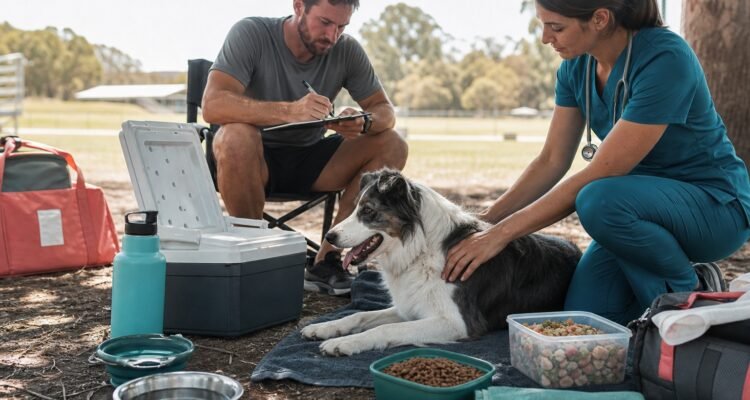
Hard exercise changes blood flow, temperature, hormones, appetite, water balance, and gastrointestinal function. Travel, excitement, schedule disruption, unfamiliar water, diet changes, parasites, medication, and underlying disease can produce similar signs.…

Small-Breed Dogs and Digestive Health: Special Considerations
A small dog is not simply a large dog with every amount divided down. Small portions make treats, chews, toppers, and flavored medications a larger share of daily calories. Tiny…

Large-Breed Dogs and Digestive Health: What Owners Should Know
Large-breed dogs need the same fundamentals as other dogs: a complete diet appropriate to life stage, measured portions, safe transitions, parasite prevention, a healthy body condition, and veterinary evaluation of…

The Future of Dog Supplement Research: What Owners Should Watch
Dog supplement research is expanding, but more studies do not automatically mean clearer answers. Owners will see laboratory experiments, small pilot trials, microbiome findings, company-funded studies, conference abstracts, and polished…

Tracking Your Dog’s Supplement Routine: A Record-Keeping Guide
A supplement record is not just a checkmark that something was given. It should identify the exact dog, product, ingredient and label panels, lot and expiration details, reason for use,…

Seasonal Supplement Considerations for Dogs: What Vets Say
Spring pollen, summer heat, autumn travel or parasite exposure, and winter activity changes can alter a dog's routine and signs. They do not create a universal four-season supplement schedule. Itching…

Managing Supplements in a Multi-Dog Household
Several dogs can have different diets, diagnoses, weights, medications, sensitivities, and supplement plans even when they live in the same home. Similar containers, flavored chews, shared bowls, and multiple caregivers…