


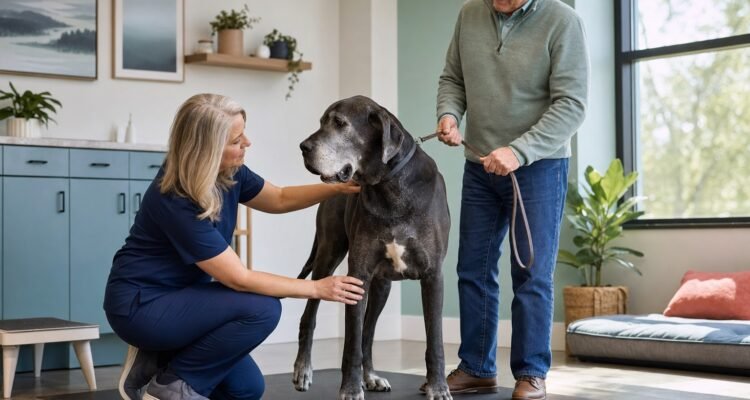
Large-Breed Senior Dogs: Health Considerations and Owner Guidance
Large and giant dogs often reach the senior life stage earlier than smaller dogs at a population level, but no birthday or breed average can determine an individual dog's health,…
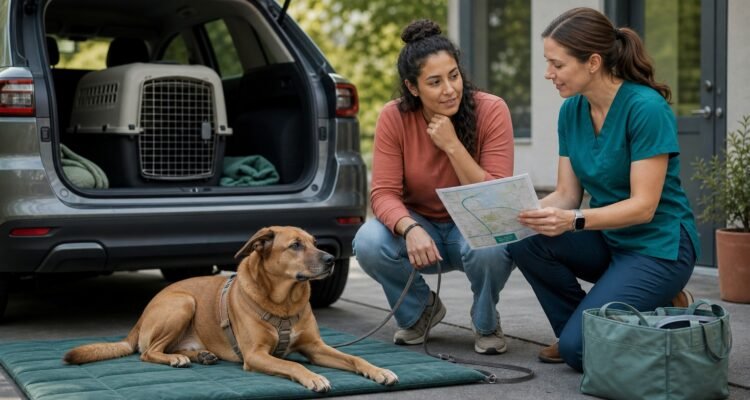
Traveling with an Anxious Dog: A Vet-First Preparation Guide
Travel changes motion, confinement, sound, people, animals, temperature, routine, sleep, food, toileting, and access to care. Panting, drooling, vomiting, freezing, pacing, vocalizing, escape attempts, or refusal can reflect fear, motion…

Anxiety and Digestive Upset in Dogs: The Gut-Brain Connection
The gut and brain communicate through neural, endocrine, immune, and microbial-metabolite pathways, so digestive and behavior changes can plausibly influence one another. That framework does not tell an owner whether…
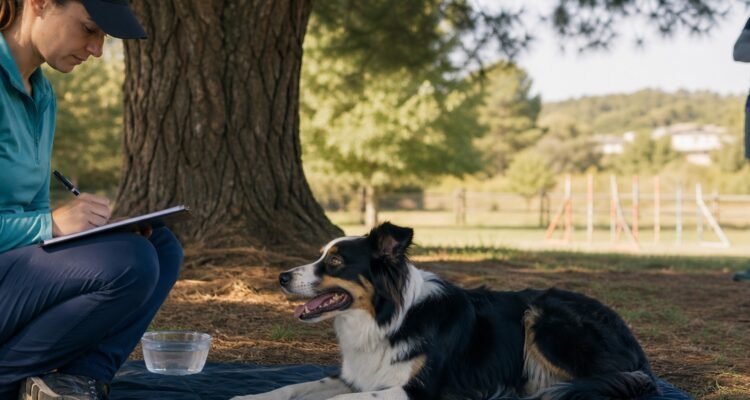
Active and Sport Dogs: Stress, Overstimulation, and Recovery
An active dog can be excited, focused, frustrated, fatigued, fearful, painful, overheated, or unable to settle, and several states can occur together. Visible intensity alone does not diagnose anxiety, and…
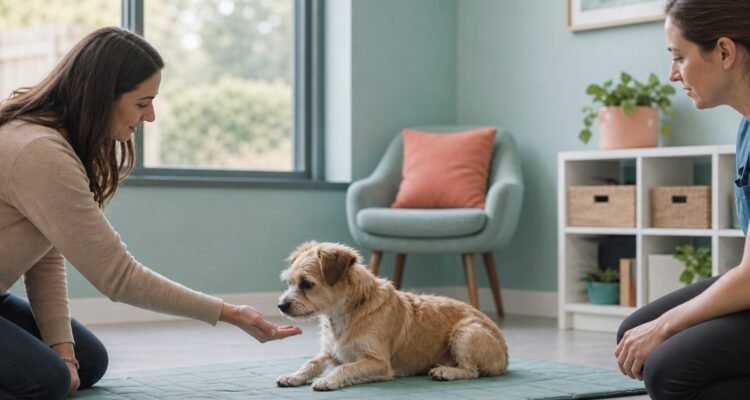
Small-Breed Dogs and Anxiety: Common Patterns and Vet-First Guidance
Small dogs can show the same fear, anxiety, panic, avoidance, and recovery problems as larger dogs, but people may overlook them because barking seems less dangerous or the dog can…
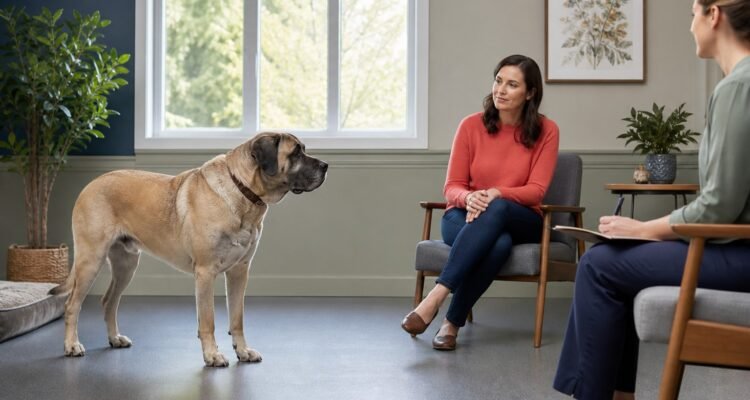
Large-Breed Dogs and Anxiety: Size-Specific Behavioral Considerations
A large dog's freezing, retreating, pacing, panting, scanning, vocalizing, refusing, escape behavior, destructiveness, or sudden reactivity can be easy to misread as dominance or defiance. Those labels do not explain…
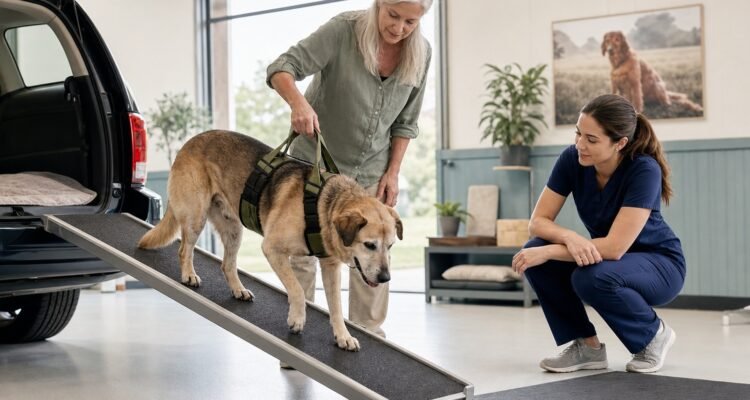
Traveling with a Dog with Joint Conditions: Practical Owner Guidance
Travel can change footing, vehicle access, rest, temperature, activity, medication timing, toileting, sleep, and access to veterinary care. For a dog with osteoarthritis or another joint condition, those changes may…
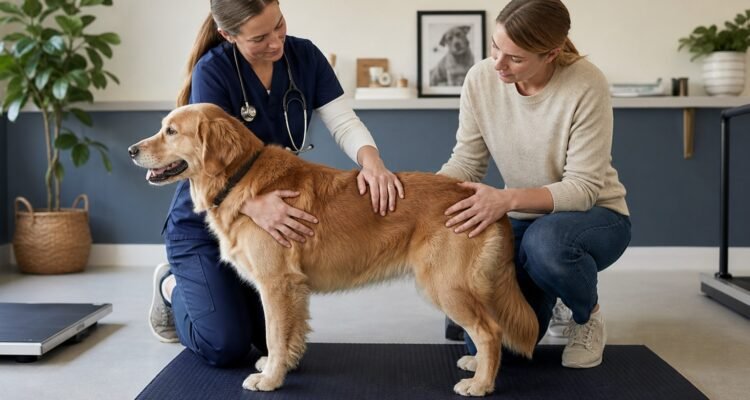
Joint Health and Body Weight: What Vets Want Owners to Understand
Body weight affects the load a dog carries, but the number on a scale is not a moral judgment and is not the whole joint-health assessment. Two dogs at the…
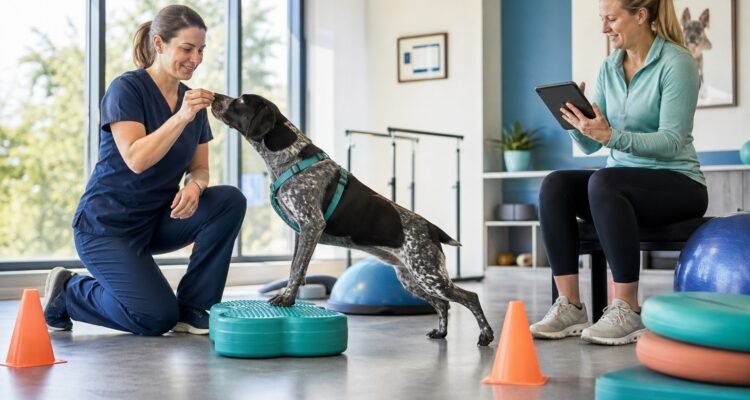
Active and Sport Dogs: Joint Health Monitoring and Support
Athletic dogs can be intensely motivated and continue working through discomfort. A slower time, dropped bar, wide turn, shortened stride, changed jump, refusal, reduced endurance, or longer recovery can be…
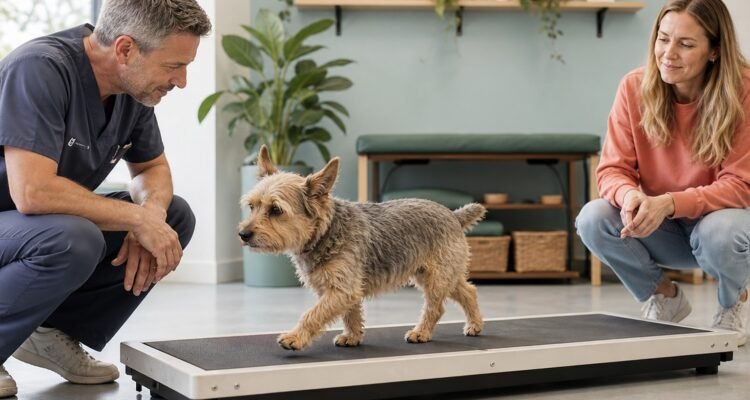
Small-Breed Dogs and Joint Health: Luxating Patella and Beyond
Small dogs are often carried over obstacles or expected to bounce back from a brief skip, but intermittent signs can still reflect orthopedic disease. Patellar luxation occurs when the kneecap…