



Seasonal Events and Dog Anxiety: A Vet-First Planning Guide
Seasonal events can cluster noise, visitors, travel, schedule changes, decorations, neighborhood activity, and unfamiliar handling. Some dogs show subtle avoidance; others may attempt escape or become unable to settle. Timing…

Environmental Modifications for Dogs with Joint Conditions
Environmental modification can reduce a specific barrier, but it is not a diagnosis or treatment by itself. A dog may slip on one surface, hesitate at a threshold, struggle to…

Monitoring Your Dog’s Joint Health at Home: Gait, Mobility, and Signs
A home mobility log is most useful when it follows the same ordinary functions over time. It can show that a dog takes longer to rise, shortens a step after…

Budget-Conscious Joint Health Support for Dogs: Vet-First Strategies
Cost is a real part of veterinary decision-making, and owners should not be shamed for raising it. The most useful conversation begins early: what is urgent, what function matters most,…
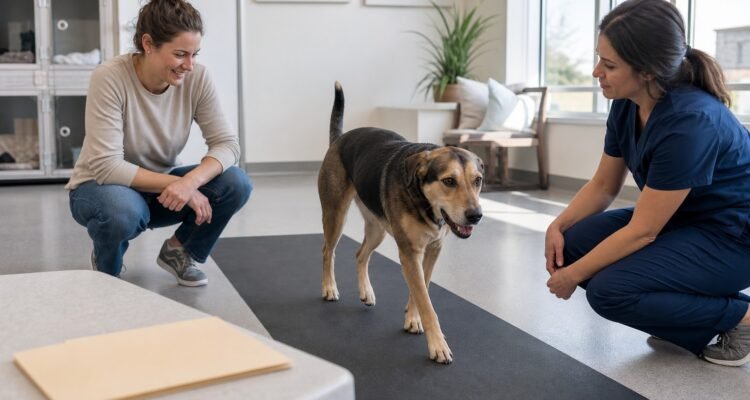
Rescue and Adopted Dogs: Assessing and Supporting Joint Health
A newly adopted dog may arrive with detailed medical records, a partial history, or very little information. Missing history is not evidence of neglect or hidden joint disease, and rescue…
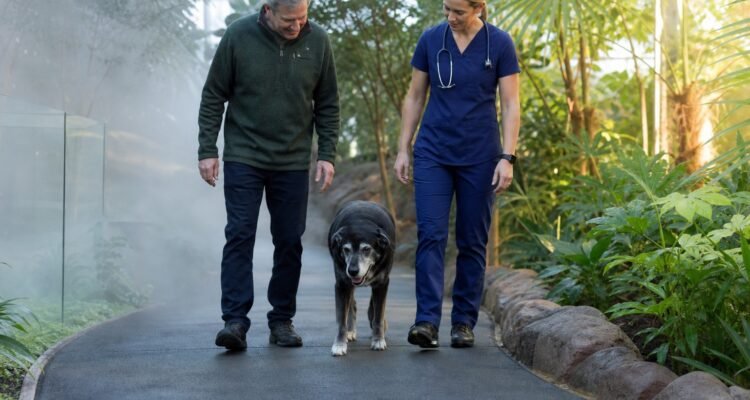
Seasonal Changes and Canine Joint Health: Cold, Heat, and Humidity
Owners often notice that a dog seems stiffer during cold mornings, humid spells, hot afternoons, or abrupt weather changes. The observation may be real, but the explanation is not settled…

Environmental Factors That Affect Canine Gut Health
A dog's surroundings include more than weather or a backyard. Food handling, water sources, treats, medications, supplements, housing, sanitation, travel, boarding, animal contact, scavenging, soil, feces, and household changes can…

Monitoring Your Dog’s Digestive Health at Home: A Checklist
A useful digestive record describes what happened, when, how often, what changed, and how the whole dog is functioning. Stool appearance matters, but it cannot diagnose parasites, infection, inflammation, obstruction,…

Budget-Conscious Dog Gut Health: Vet-First Strategies
Cost is a real part of veterinary decision-making, and hiding a limit until the end can make planning harder. A budget conversation does not mean accepting unsafe care or choosing…
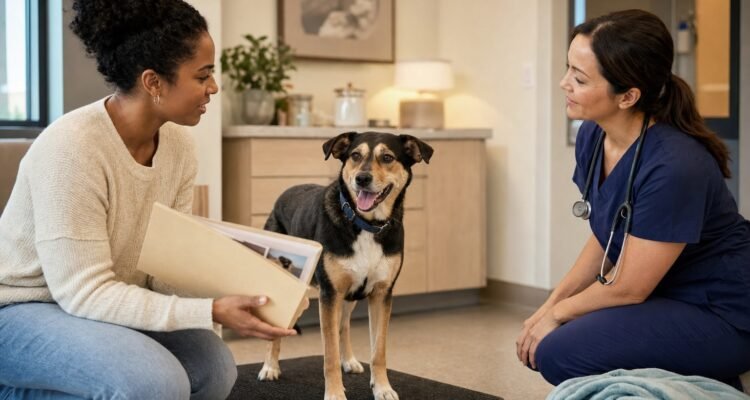
Rescue and Adopted Dogs: Digestive Health From Day One
Adoption can change housing, transport, people, animals, food, water, sleep, activity, and toileting all at once. Those transitions matter to the history, but rescue status does not establish a diagnosis…