


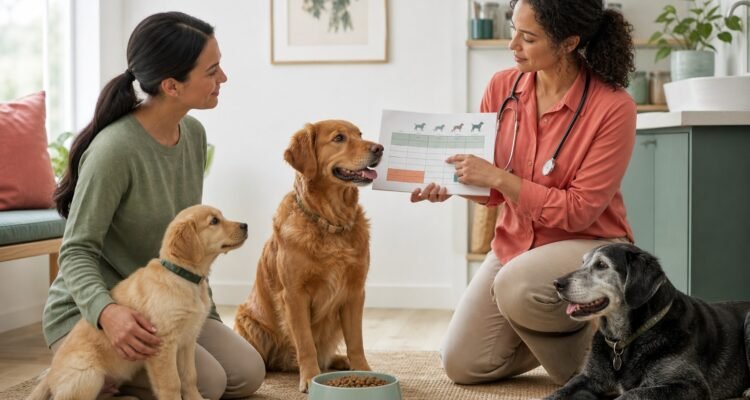
Gut Health Across Life Stages: Puppies to Senior Dogs
A dog's digestive system and intestinal microbial community develop and change over time, but life stage does not create a simple sequence of good and bad gut bacteria. Puppies face…
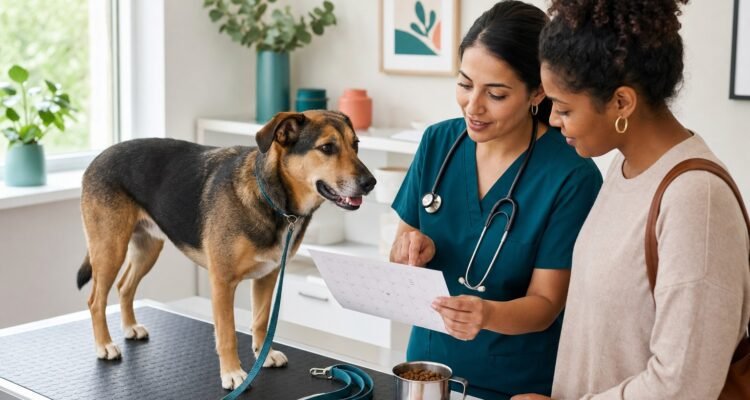
Building a Vet-Approved Wellness Routine for Your Dog
A dog wellness routine is not a supplement stack, a rigid daily checklist, or a promise to prevent every illness. It is a coordinated plan that connects regular veterinary assessment…
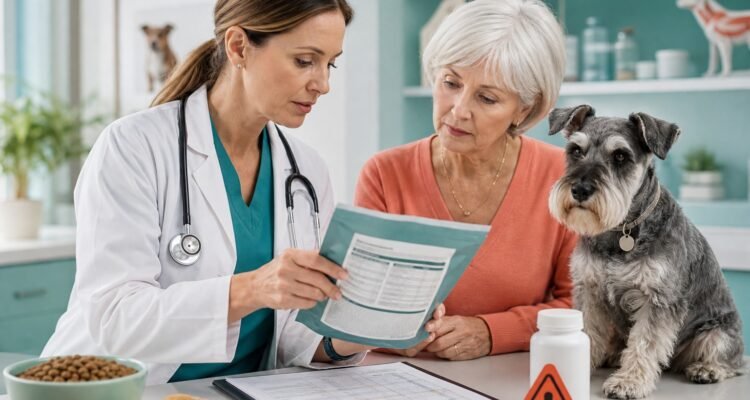
Vitamin D and Dog Health: What Owners Need to Understand
Vitamin D is essential for calcium and phosphorus regulation, bone health, and other physiologic functions, yet it can also be toxic. Unlike people, dogs rely primarily on dietary vitamin D…

Probiotics for Dogs: What the Research Currently Shows
Probiotic is a functional term for live microorganisms that, when administered in adequate amounts, confer a health benefit on the host. That definition requires identity, viability, amount, and demonstrated benefit;…
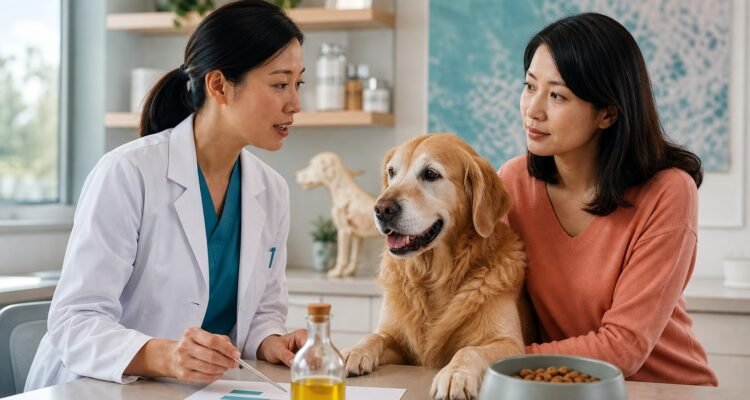
Omega-3 Supplements for Dogs: An Evidence-Based Overview
Omega-3 is a family of fatty acids, not one interchangeable ingredient. Veterinary research commonly focuses on the long-chain marine fatty acids EPA and DHA, while plant alpha-linolenic acid is not…

Questions to Ask Your Vet Before Starting a Dog Supplement
A supplement decision should begin with the dog and a defined clinical or nutritional question, not a trending ingredient. In the United States, products marketed for animals do not share…
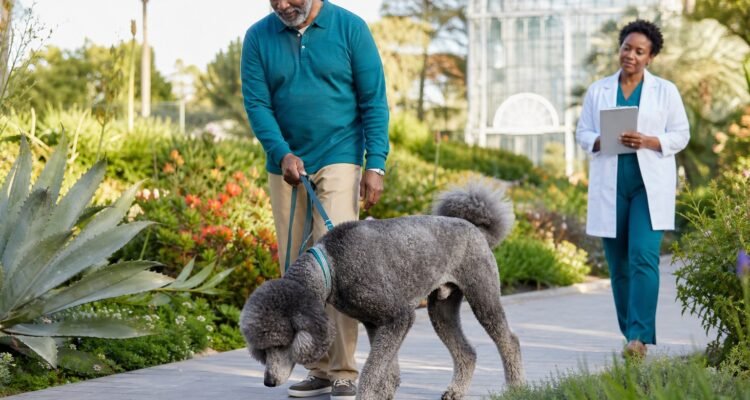
Immune Support for Senior Dogs: A Vet-First Research Overview
Aging affects immune regulation, but immune support is not a single product category or a promise to boost defenses. Research in dogs and cats describes immunosenescence, meaning age-related changes in…

Incontinence in Senior Dogs: Causes and Vet-First Management
Urinary incontinence means involuntary loss of urine, but owners may use the word for frequent urination, house-soiling, marking, difficulty posturing, overflow, or inability to reach the door. Those patterns have…

Heart Health in Aging Dogs: An Owner Information Overview
Aging dogs can develop valve disease, heart-muscle disease, rhythm disorders, pulmonary hypertension, and other cardiovascular problems, but age alone does not diagnose heart disease. A murmur is a sound, heart…

Kidney Health in Senior Dogs: What Owners Should Know
Kidneys filter metabolic waste, regulate water and electrolytes, contribute to blood-pressure control, and support red-blood-cell production. Chronic kidney disease is persistent structural or functional kidney abnormality, not a conclusion drawn…