


Environmental Factors That Affect Canine Gut Health
A dog's surroundings include more than weather or a backyard. Food handling, water sources, treats, medications, supplements, housing, sanitation, travel, boarding, animal contact, scavenging, soil, feces, and household changes can…

Monitoring Your Dog’s Digestive Health at Home: A Checklist
A useful digestive record describes what happened, when, how often, what changed, and how the whole dog is functioning. Stool appearance matters, but it cannot diagnose parasites, infection, inflammation, obstruction,…

Budget-Conscious Dog Gut Health: Vet-First Strategies
Cost is a real part of veterinary decision-making, and hiding a limit until the end can make planning harder. A budget conversation does not mean accepting unsafe care or choosing…

Rescue and Adopted Dogs: Digestive Health From Day One
Adoption can change housing, transport, people, animals, food, water, sleep, activity, and toileting all at once. Those transitions matter to the history, but rescue status does not establish a diagnosis…

Seasonal Changes and Dog Digestive Health: What to Monitor
The calendar can change what a dog encounters: standing water, moist soil, wildlife feces, travel, boarding, gatherings, table food, trash, decorations, temperature, activity, stress, parasite exposure, and preventive routines. Those…

Traveling with a Dog with Digestive Sensitivities: Owner Strategies
Travel changes meal timing, water sources, motion, temperature, activity, sleep, toileting access, parasite exposure, and emotional arousal. Any of those changes can coincide with loose stool, vomiting, appetite change, or…
Gut Health and Skin Coat Condition in Dogs: What Research Shows
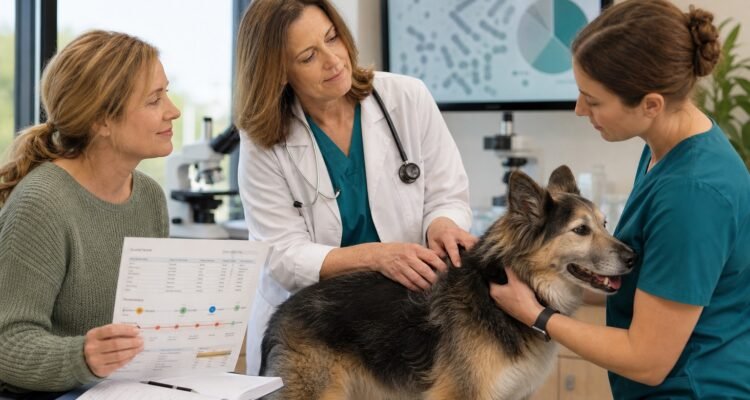
The intestine, immune system, skin barrier, diet, and microbial communities interact, so researchers are studying a canine gut-skin axis. That phrase can be useful as a research framework, but it…
Active and Sport Dogs: Supporting Digestive Health Under Stress
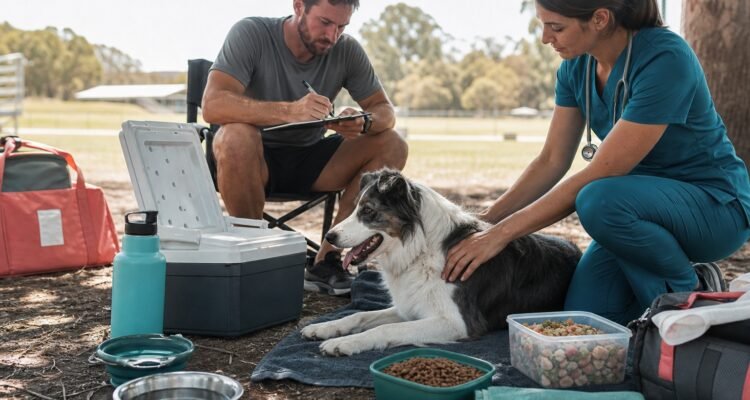
Hard exercise changes blood flow, temperature, hormones, appetite, water balance, and gastrointestinal function. Travel, excitement, schedule disruption, unfamiliar water, diet changes, parasites, medication, and underlying disease can produce similar signs.…

Small-Breed Dogs and Digestive Health: Special Considerations
A small dog is not simply a large dog with every amount divided down. Small portions make treats, chews, toppers, and flavored medications a larger share of daily calories. Tiny…

Large-Breed Dogs and Digestive Health: What Owners Should Know
Large-breed dogs need the same fundamentals as other dogs: a complete diet appropriate to life stage, measured portions, safe transitions, parasite prevention, a healthy body condition, and veterinary evaluation of…