


Post-Illness Gut Recovery in Dogs: A Vet-First Guide
Recovery after vomiting, diarrhea, hospitalization, infection, surgery, medication exposure, pancreatitis, or another gastrointestinal illness is not a universal microbiome reset. The right plan depends on what caused the illness, what…

Multi-Dog Households and Digestive Health: Managing Different Needs
In a multi-dog home, digestive care can fail for logistical reasons even when every individual plan is sound. Dogs may swap bowls, steal treats, share flavored chews, drink from contaminated…

Home-Cooked Diets for Dogs: Gut Health Considerations
A home-cooked dog diet can be used in selected healthy or medically complex dogs, but it is not automatically gentler, more digestible, safer, or more nutritious than a complete commercial…

Managing a Dog with Chronic Digestive Issues: Owner Strategies
Chronic or recurrent vomiting, diarrhea, appetite change, weight loss, or other gastrointestinal signs are not one disease. They can reflect parasites, dietary response, chronic inflammatory enteropathy, pancreatic or liver disease,…

Gut Health Across Life Stages: Puppies to Senior Dogs
A dog's digestive system and intestinal microbial community develop and change over time, but life stage does not create a simple sequence of good and bad gut bacteria. Puppies face…

Gut Health and Canine Immunity: What Research Indicates
The intestinal tract is not only a digestive tube. Its physical barrier, mucus, immune cells, microbial community, and microbial metabolites continually interact. Canine studies and veterinary reviews describe roles in…
Diarrhea in Dogs: What Owners Should Know
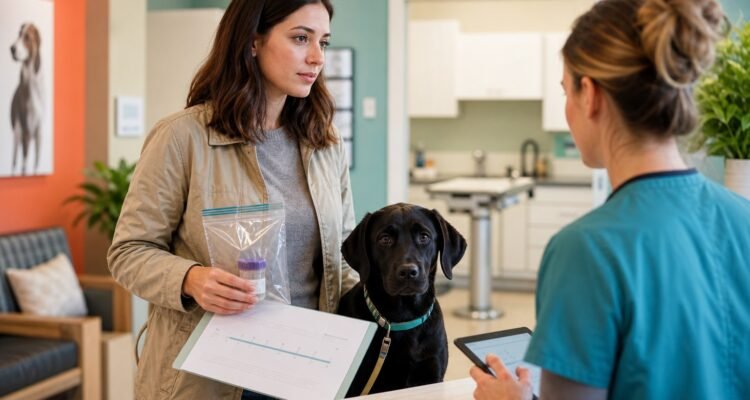
Diarrhea is increased water in feces and may involve changed frequency, volume, urgency, mucus, blood, or straining. Causes range from dietary change, scavenging, stress, and parasites to infection, toxins, foreign…

Constipation in Dogs: Causes, Signs, and When to Call the Vet
Constipation means difficult, infrequent, or absent passage of feces, but owners can confuse it with urinary straining, diarrhea-related tenesmus, pain, or repeated posturing. Causes include dehydration, ingestion of poorly digested…
Canine Inflammatory Bowel Disease: An Owner Information Overview
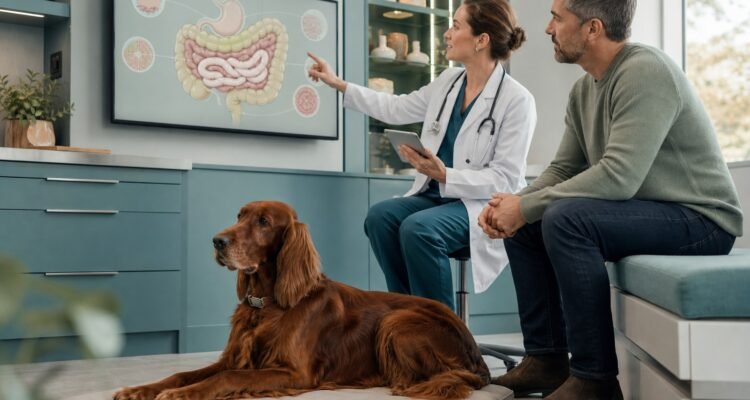
Inflammatory bowel disease has historically been used broadly for dogs with chronic gastrointestinal signs and intestinal inflammation, but current veterinary language often favors chronic inflammatory enteropathy and response-based classification. Chronic…

Questions to Ask Your Vet About Your Dog’s Digestive Health
Digestive signs can come from the gastrointestinal tract or from disease elsewhere in the body. Diarrhea, constipation, vomiting, appetite change, weight loss, abdominal discomfort, bloating, bleeding, straining, dehydration, and behavior…