

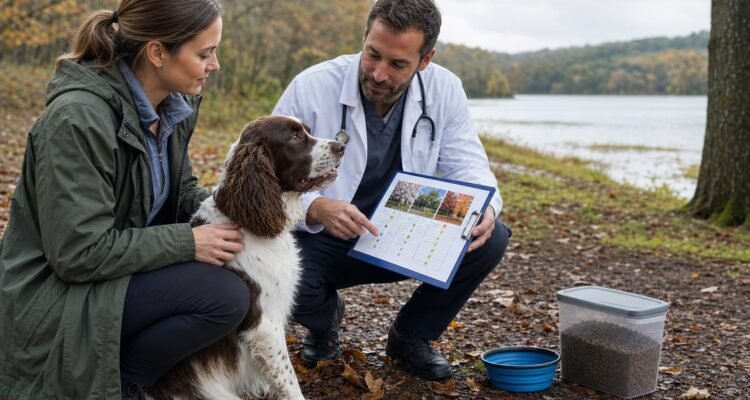
Seasonal Changes and Dog Digestive Health
A digestive episode that appears in the same season can be a useful pattern, but season is not a diagnosis. Food and treat access, travel, boarding, standing water, wildlife, soil,…
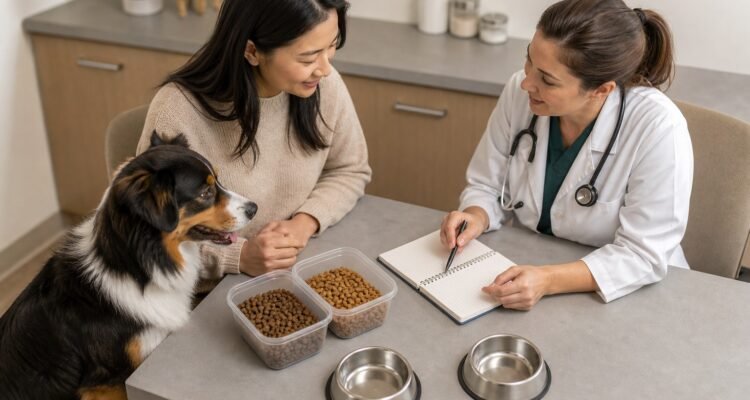
Switching Dog Food Safely: Gut Health Considerations
For a routine food change in a healthy dog, the veterinary team may recommend a gradual transition and monitoring plan. A recall, suspected adverse reaction, therapeutic diet, persistent gastrointestinal signs,…

Raw Diet and Canine Gut Health: What Research Indicates
Current evidence does not establish broad raw-diet superiority for canine gut health. It does document microbial and household-exposure concerns, while microbiome studies show compositional differences that are not equivalent to…

Small Breed Dogs and Digestive Sensitivities: An Overview
Sensitive stomach is an owner-facing description, not a diagnosis, and small body size does not explain a digestive sign. Some defined breeds are overrepresented in particular disorders, but association cannot…
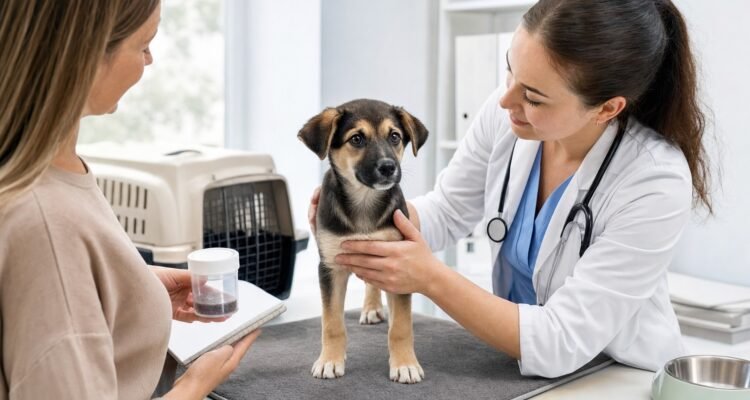
Puppy Digestive Health: What New Dog Owners Should Know
Puppy digestion changes during growth, but youth is not an explanation for vomiting, diarrhea, poor appetite, or weight concern. Infection, parasites, dietary exposure, foreign material, toxins, stress, congenital problems, and…

Stress and the Canine Gut: What the Gut-Brain Axis Research Shows
The intestine and brain exchange information through nerves, hormones, immune signals, microbial metabolites, and behavior. Stress can alter appetite, motility, stool, and microbial communities, while gastrointestinal pain can change sleep,…
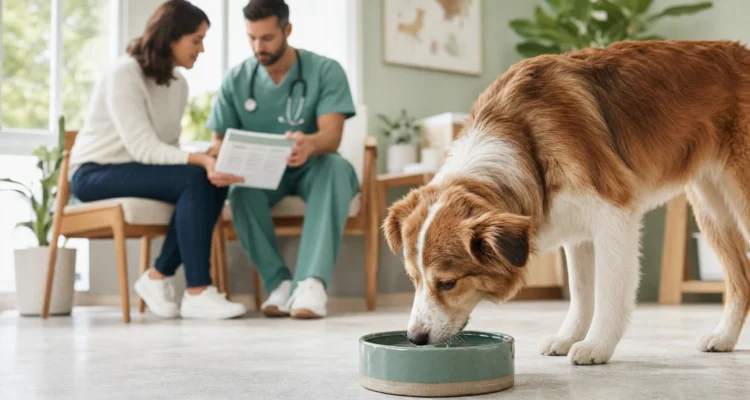
Hydration and Canine Digestive Health
Water supports circulation, temperature regulation, cellular function, digestion, and waste removal. The gastrointestinal tract normally secretes and reabsorbs large volumes of fluid. Vomiting and diarrhea can interrupt that balance while…

Leaky Gut in Dogs: What Veterinary Research Currently Says
The intestinal lining must absorb nutrients while limiting entry of microbes, toxins, and other material. Veterinary researchers can measure aspects of barrier function and have documented altered permeability in some…
Digestive Enzymes for Dogs: What Research Indicates
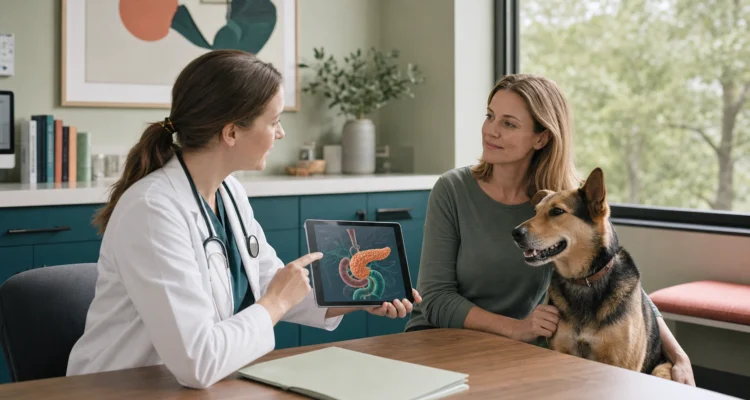
Enzymes break food components into forms the intestine can absorb. Dogs normally produce digestive enzymes in the pancreas and intestinal tract. A diagnosed failure of pancreatic enzyme production, called exocrine…

Dog Food Sensitivities and Digestive Upset: An Owner Overview
Vomiting, diarrhea, gas, appetite changes, and weight loss can occur with food-responsive disease, but they can also reflect parasites, infection, pancreatic disease, obstruction, toxins, endocrine disease, cancer, or other enteropathies.…