


Living Well with a Dog Who Has Chronic Joint Disease
Chronic joint disease changes over time, but the diagnosis does not define the dog's entire life. Good care focuses on comfortable participation in meaningful activities while protecting safety, muscle, sleep,…
Preventing Joint Problems in Dogs: What Research Supports
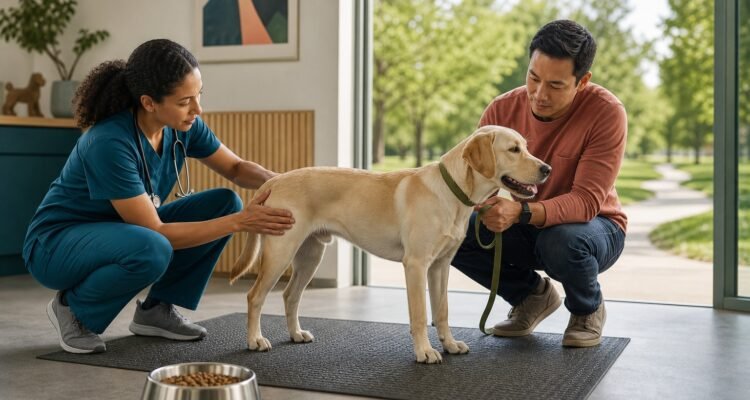
No owner can guarantee that a dog will avoid hip dysplasia, cruciate disease, osteoarthritis, injury, or age-related mobility change. Genetics, conformation, breed, growth, age, sex, prior joint disease, and chance…
Post-Surgery Recovery for Dogs with Joint Conditions
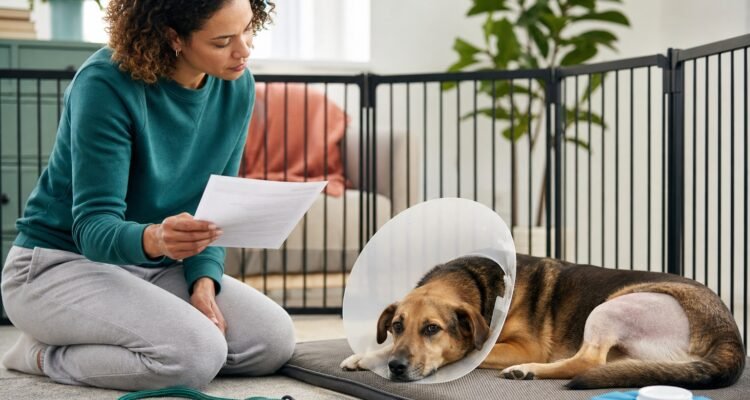
Recovery after joint surgery is not one generic timeline. The procedure, repaired tissue, fixation, surgeon's technique, dog, other diseases, medication response, home environment, and recheck findings determine what is safe.…
Working Dogs and Joint Health: Special Considerations
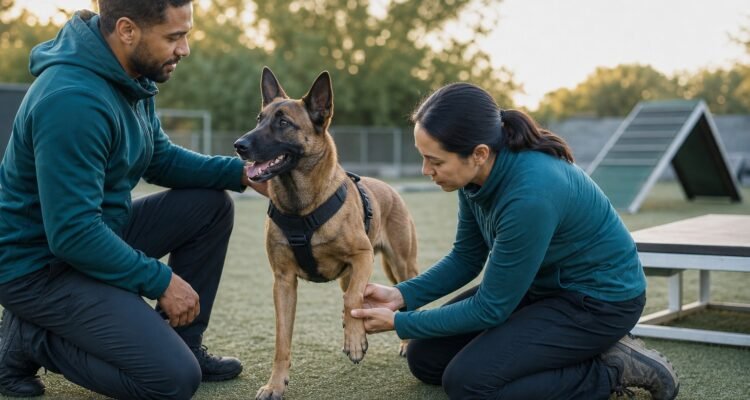
Working dogs may search, detect, guide, assist, herd, retrieve, guard livestock, compete, perform therapy work, or support public safety. Each role creates a different mix of speed, jumping, traction, turning,…
Joint Health Across Life Stages: From Puppy to Senior Dog
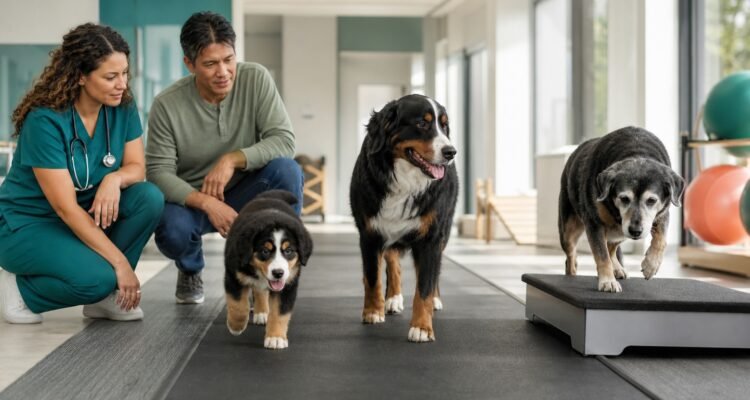
Joint health is a lifelong interaction among genetics, conformation, growth, nutrition, body condition, muscle, activity, injury, disease, environment, and aging. A puppy needs controlled growth and developmentally appropriate movement, not…
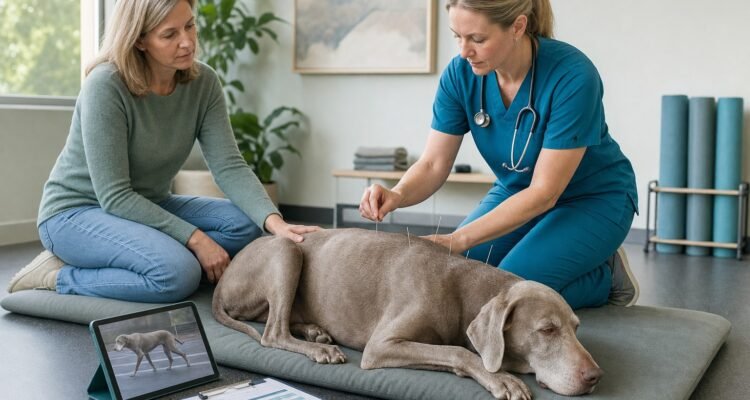
Acupuncture for Dogs with Joint Pain: What Research Currently Shows
Veterinary acupuncture places fine needles at selected points as a clinician-delivered physical modality. It is sometimes considered within multimodal pain care, but plausibility, tradition, owner reports, and availability are not…
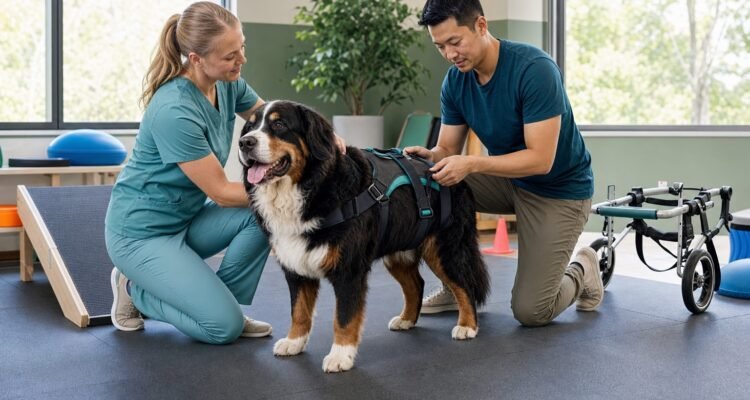
Assistive Devices for Dogs with Mobility Challenges: An Overview
Assistive devices can support selected dogs during recovery or long-term mobility loss, but the category label does not make a device suitable. Rear-support and full-body harnesses, slings, ramps, traction surfaces,…

Pain Management for Dogs with Joint Issues: What Vets Consider
Pain management for joint disease is not a single medication or a one-time decision. Veterinarians first identify likely pain sources, separate orthopedic from neurologic and other disease, and evaluate how…
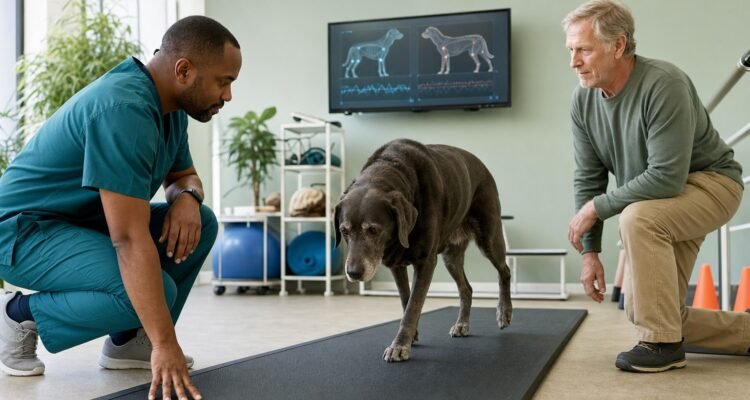
Canine Osteoarthritis: A Comprehensive Owner Information Guide
Canine osteoarthritis is a progressive, whole-joint disorder involving cartilage, bone, synovium, supporting tissues, inflammation, and pain. It may develop after joint instability, developmental disease, injury, abnormal conformation, or other joint…
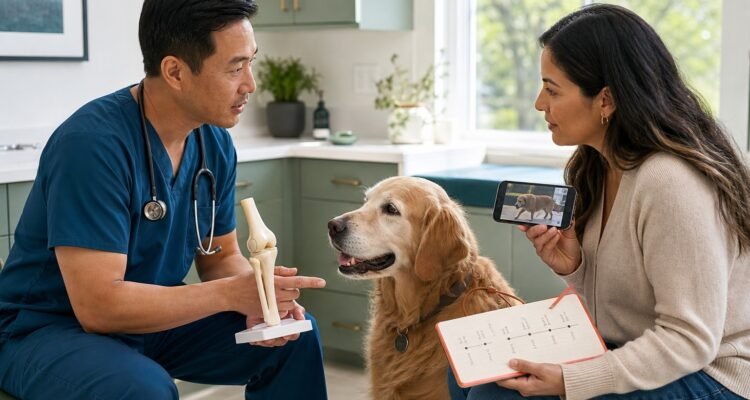
Questions to Ask Your Vet About Your Dog’s Joint Health
A productive joint-health appointment begins before the exam. Record what changed, when it happens, which activities are difficult, how long stiffness lasts, whether the dog slips or hesitates, and what…