


Environmental Modifications for Dogs with Joint Conditions
Environmental modification can reduce a specific barrier, but it is not a diagnosis or treatment by itself. A dog may slip on one surface, hesitate at a threshold, struggle to…

Monitoring Your Dog’s Joint Health at Home: Gait, Mobility, and Signs
A home mobility log is most useful when it follows the same ordinary functions over time. It can show that a dog takes longer to rise, shortens a step after…

Budget-Conscious Joint Health Support for Dogs: Vet-First Strategies
Cost is a real part of veterinary decision-making, and owners should not be shamed for raising it. The most useful conversation begins early: what is urgent, what function matters most,…
Rescue and Adopted Dogs: Assessing and Supporting Joint Health
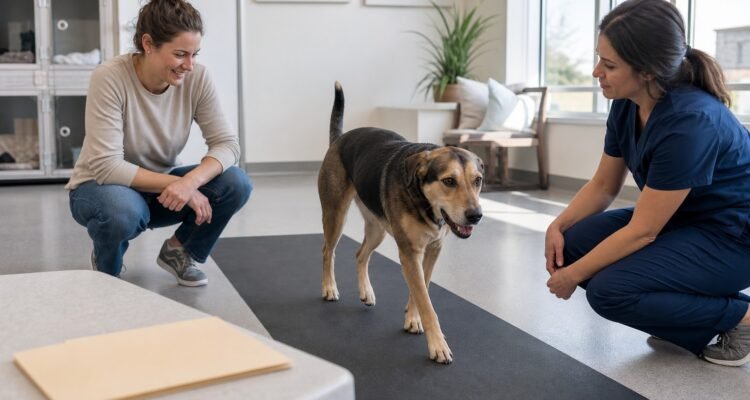
A newly adopted dog may arrive with detailed medical records, a partial history, or very little information. Missing history is not evidence of neglect or hidden joint disease, and rescue…
Seasonal Changes and Canine Joint Health: Cold, Heat, and Humidity
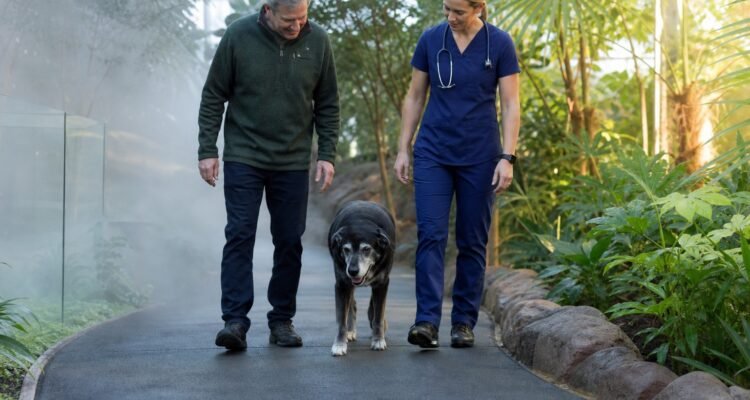
Owners often notice that a dog seems stiffer during cold mornings, humid spells, hot afternoons, or abrupt weather changes. The observation may be real, but the explanation is not settled…
Traveling with a Dog with Joint Conditions: Practical Owner Guidance
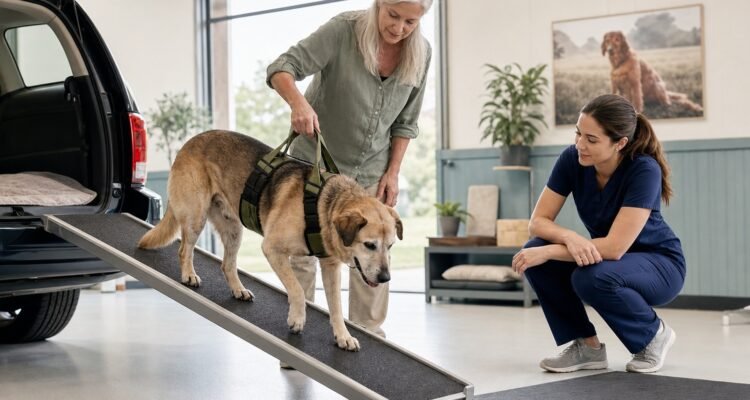
Travel can change footing, vehicle access, rest, temperature, activity, medication timing, toileting, sleep, and access to veterinary care. For a dog with osteoarthritis or another joint condition, those changes may…
Joint Health and Body Weight: What Vets Want Owners to Understand
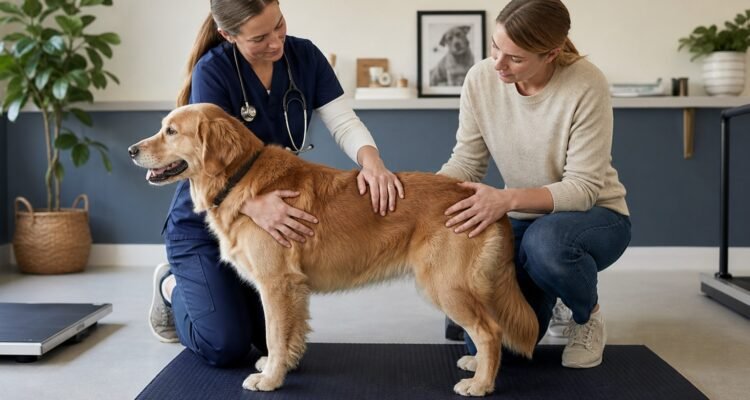
Body weight affects the load a dog carries, but the number on a scale is not a moral judgment and is not the whole joint-health assessment. Two dogs at the…
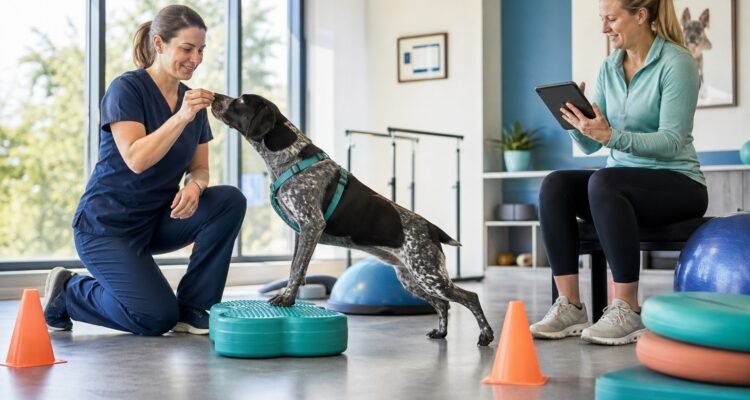
Active and Sport Dogs: Joint Health Monitoring and Support
Athletic dogs can be intensely motivated and continue working through discomfort. A slower time, dropped bar, wide turn, shortened stride, changed jump, refusal, reduced endurance, or longer recovery can be…
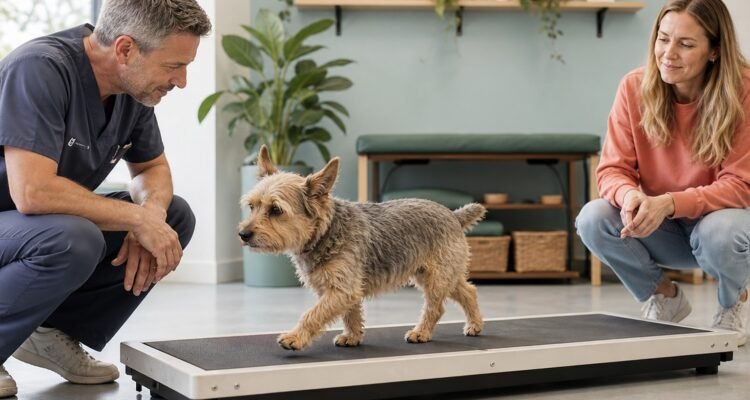
Small-Breed Dogs and Joint Health: Luxating Patella and Beyond
Small dogs are often carried over obstacles or expected to bounce back from a brief skip, but intermittent signs can still reflect orthopedic disease. Patellar luxation occurs when the kneecap…
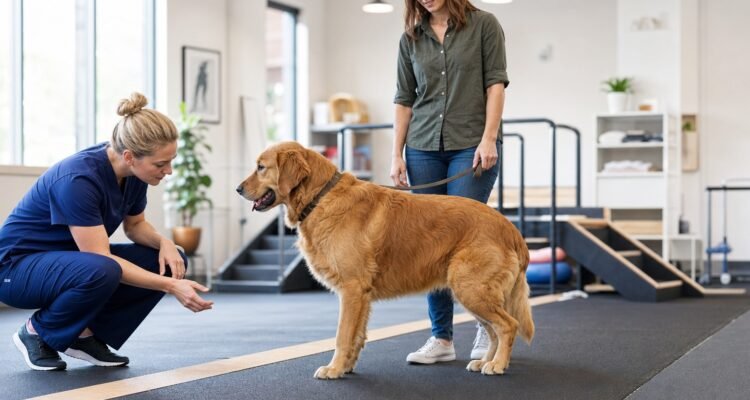
Large-Breed Dogs and Joint Health: Risk Factors and Owner Guidance
Large and giant dogs can be predisposed to developmental orthopedic conditions, including hip and elbow dysplasia, but breed or size does not predict how one dog feels or functions. Genetics,…