

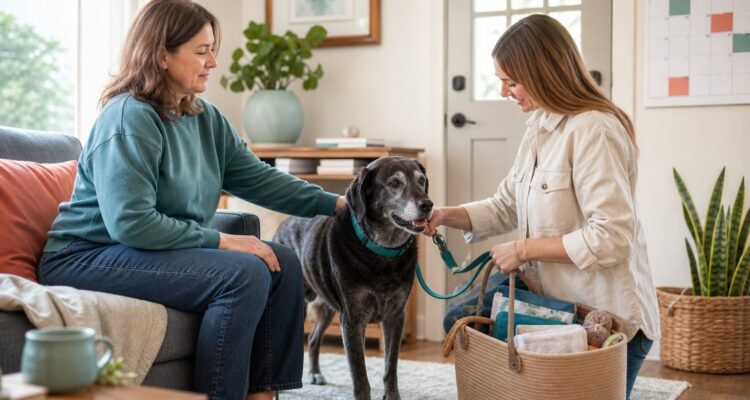
Caregiver Fatigue When Caring for a Senior Dog: Owner Wellbeing
Caring for a senior dog can include interrupted sleep, lifting, toileting, cleaning, medication schedules, special feeding, repeated appointments, financial decisions, and worry about decline. Love and fatigue can exist at…
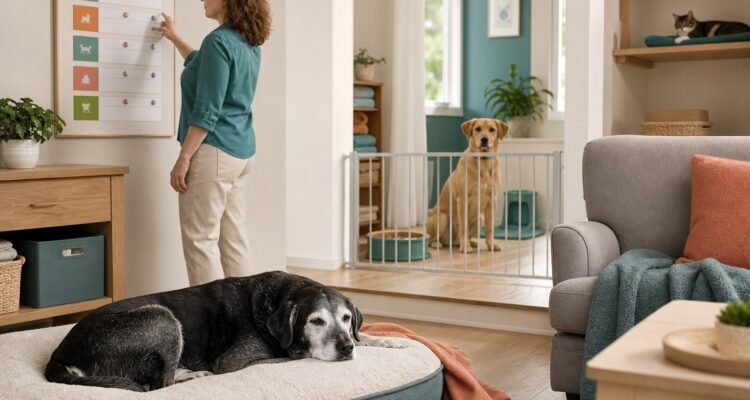
Multi-Pet Households with a Senior Dog: Managing Different Needs
A senior dog may need more sleep, easier routes, different food, medication, slower movement, and protection from rough play. Younger dogs and cats still need species-appropriate activity, training, retreat, and…

Supporting a Senior Dog Through a Major Life Change
Moving, bereavement, a new caregiver, household changes, travel, or a disrupted schedule can affect any dog. In a senior dog, the same transition may intersect with pain, reduced hearing or…
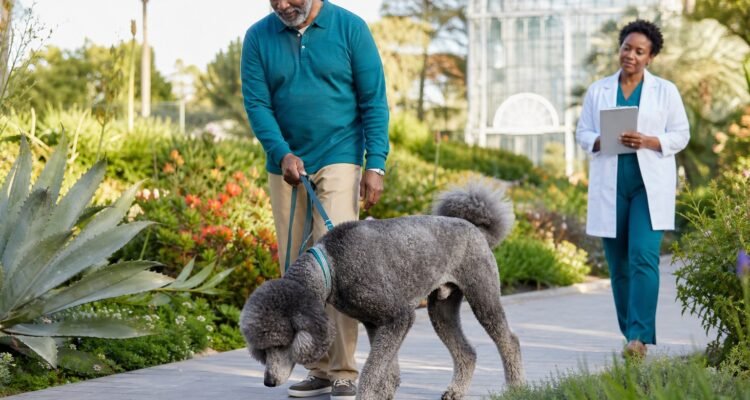
Immune Support for Senior Dogs: A Vet-First Research Overview
Aging affects immune regulation, but immune support is not a single product category or a promise to boost defenses. Research in dogs and cats describes immunosenescence, meaning age-related changes in…
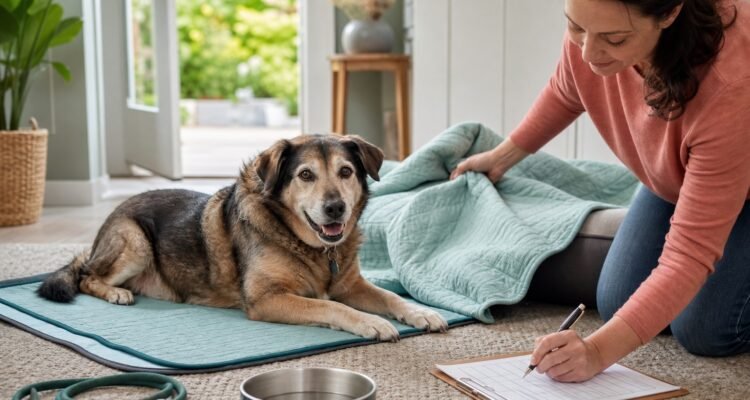
Incontinence in Senior Dogs: Causes and Vet-First Management
Urinary incontinence means involuntary loss of urine, but owners may use the word for frequent urination, house-soiling, marking, difficulty posturing, overflow, or inability to reach the door. Those patterns have…
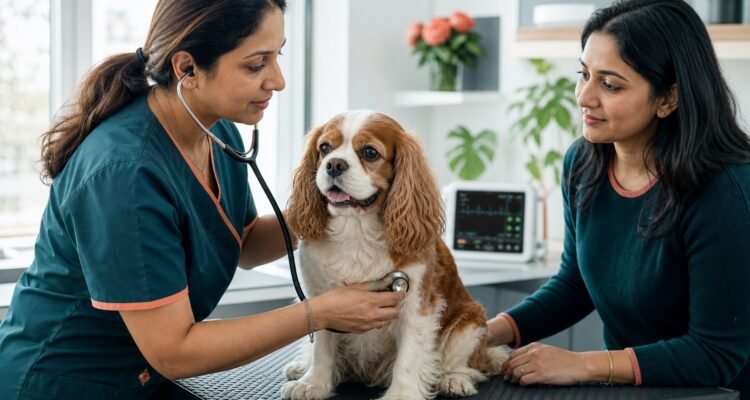
Heart Health in Aging Dogs: An Owner Information Overview
Aging dogs can develop valve disease, heart-muscle disease, rhythm disorders, pulmonary hypertension, and other cardiovascular problems, but age alone does not diagnose heart disease. A murmur is a sound, heart…

Kidney Health in Senior Dogs: What Owners Should Know
Kidneys filter metabolic waste, regulate water and electrolytes, contribute to blood-pressure control, and support red-blood-cell production. Chronic kidney disease is persistent structural or functional kidney abnormality, not a conclusion drawn…
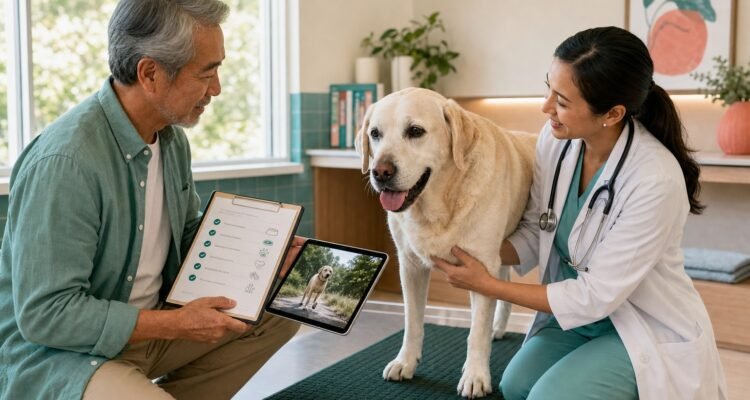
Questions to Ask Your Vet at a Senior Dog Wellness Exam
A senior wellness examination is not simply a younger dog's checkup with extra blood work. Aging rates differ by breed, size, individual history, and organ system, and old age itself…
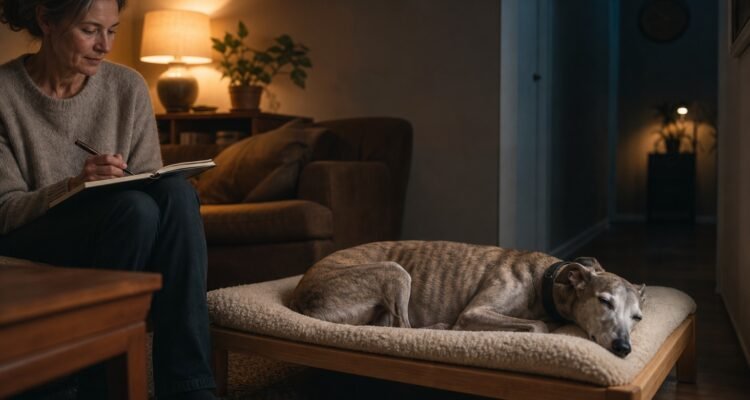
Senior Dog Sleep Changes: What Is Normal and What to Watch
Senior dogs may sleep at different times, wake more often, change resting locations, pace, vocalize, or seem less settled at night. Sleep-wake changes are considered during evaluation for canine cognitive…
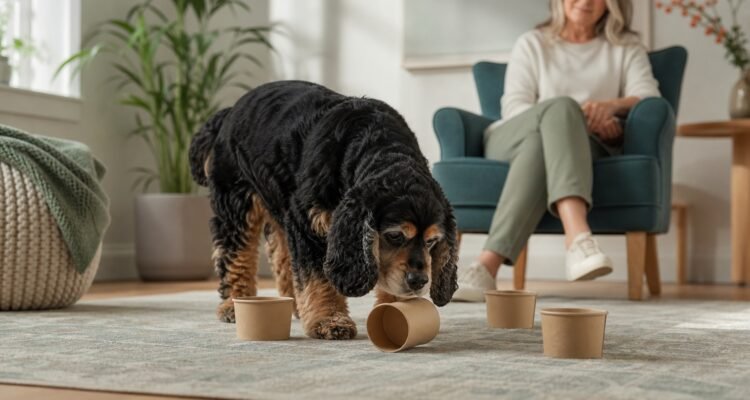
Keeping Senior Dogs Mentally Engaged: Enrichment Ideas
Mental engagement for a senior dog means offering safe, low-pressure opportunities for exploration, social connection, gentle movement, scent use, and simple problem-solving that fit the dog today. Enrichment may support…