

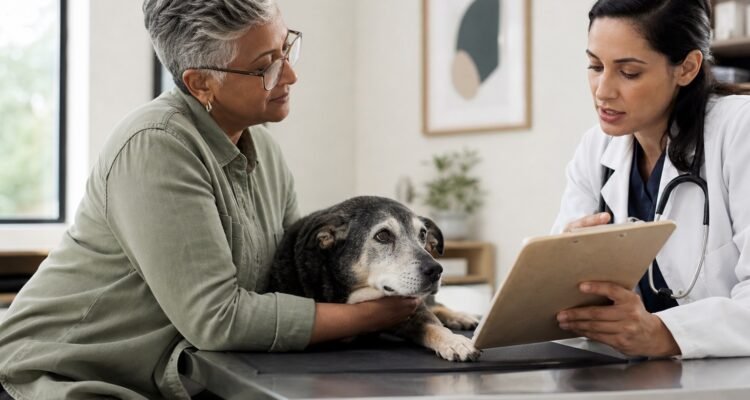
Budget-Conscious Senior Dog Care: Maximizing Wellness on a Limited Budget
Financial limits are real clinical context, not a moral failure. Senior dogs may have several interacting concerns, and a long unprioritized list can make care feel impossible. The useful response…
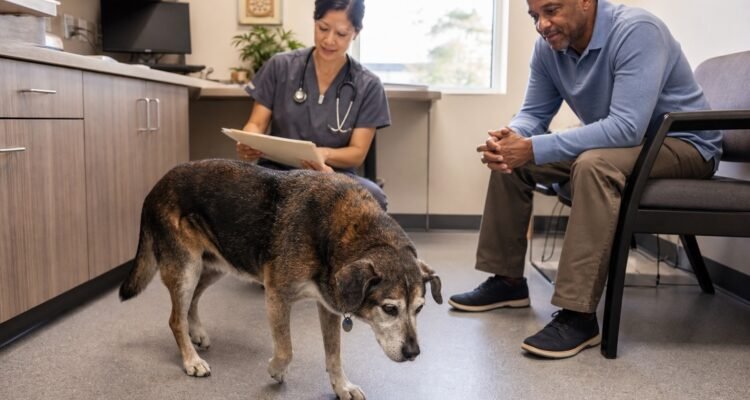
Rescue and Adopted Senior Dogs: Health Assessment From Day One
A senior dog's rescue or adoption story may include incomplete records, changing names, multiple caregivers, uncertain medication timing, unfamiliar food, transport, shelter exposure, or behavior observed in a very different…
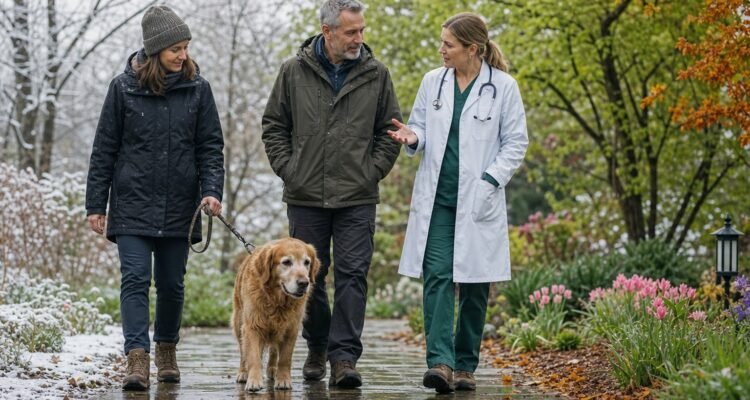
Seasonal Changes and Senior Dog Health: What to Watch Each Season
Heat, cold, storms, daylight, allergens, travel, holidays, household schedules, and surface conditions can change a senior dog's daily context. They do not explain every appetite, movement, breathing, skin, sleep, elimination,…
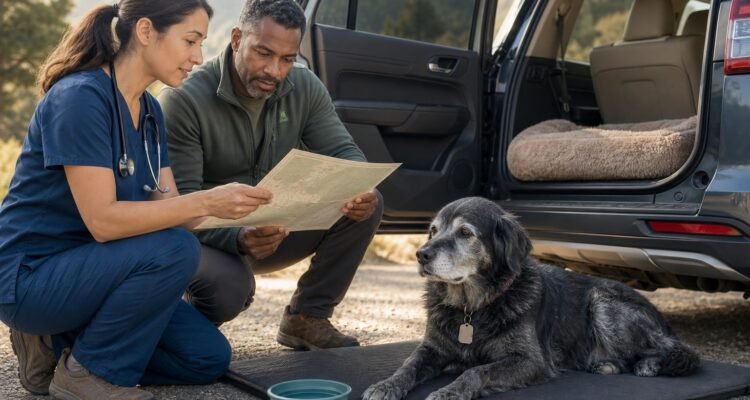
Traveling with a Senior Dog: Health, Safety, and Comfort Considerations
Travel can change motion, footing, temperature, sleep, food, toileting, medication timing, social exposure, and access to care. A senior label neither prohibits travel nor proves that a dog is fit…
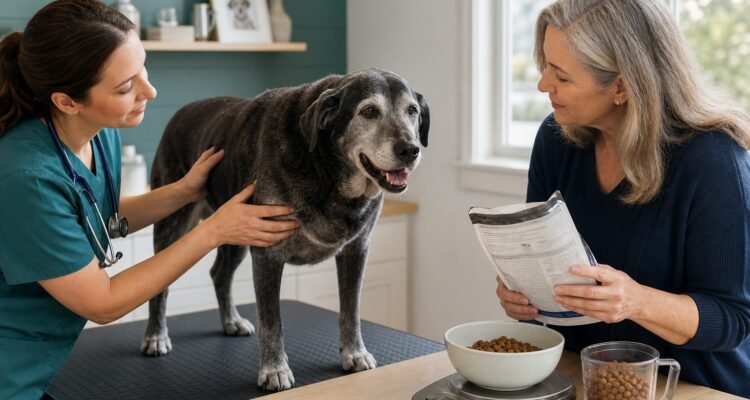
Senior Dog Nutrition: What Changes and Why
A dog's birthday does not automatically create one senior diet requirement. Energy needs can change with activity, body composition, temperature, disease, medication, and individual metabolism. Some older dogs gain fat;…
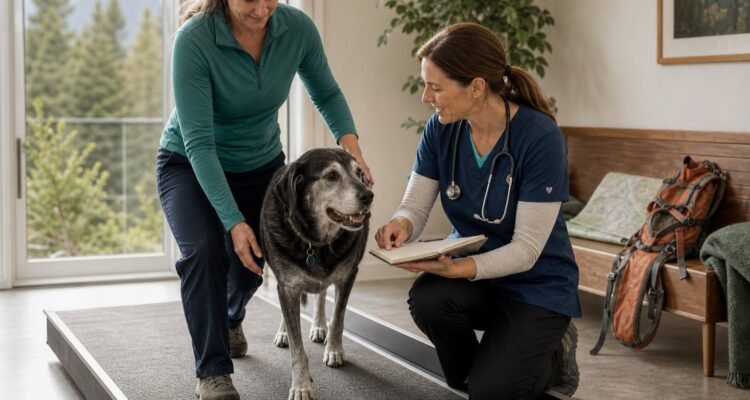
Formerly Active Dogs Slowing Down: Recognizing and Supporting the Transition
A dog who once hiked, ran, swam, worked, or played intensely may shorten outings, hesitate, recover slowly, sleep differently, change technique, avoid equipment, or lose interest. That transition can reflect…
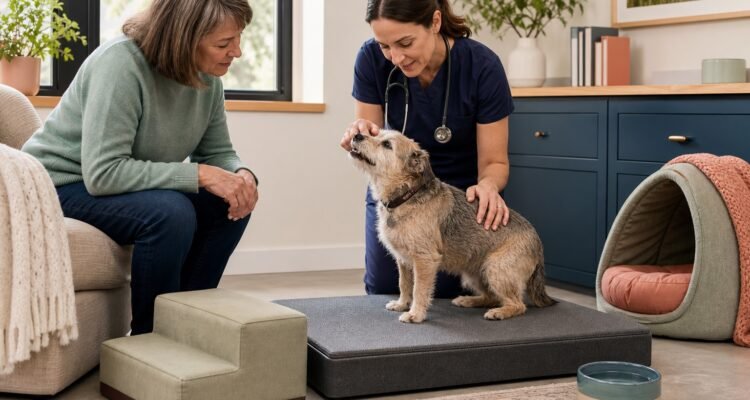
Small-Breed Senior Dogs: Longevity, Health Patterns, and Owner Guidance
Small dogs often have longer population life expectancy than larger dogs, but longevity averages are not a promise, a diagnosis, or evidence that a change can wait. A small dog…
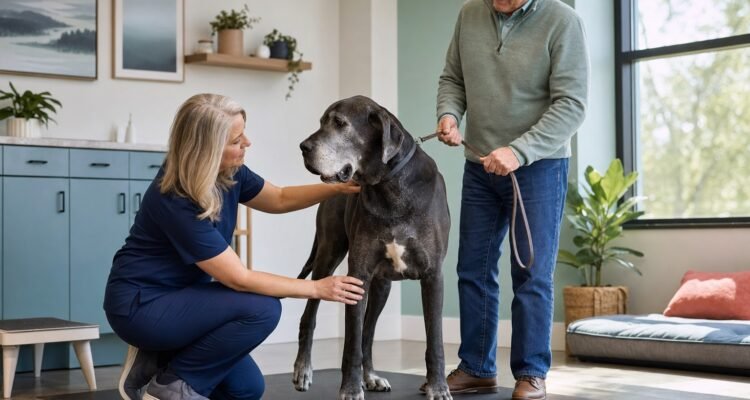
Large-Breed Senior Dogs: Health Considerations and Owner Guidance
Large and giant dogs often reach the senior life stage earlier than smaller dogs at a population level, but no birthday or breed average can determine an individual dog's health,…
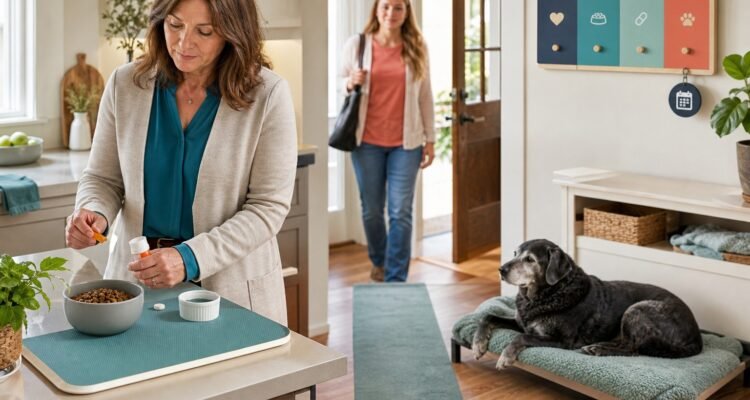
Integrating Senior Dog Care into a Busy Owner Lifestyle
Senior care can include measured meals, medication, toileting, mobility assistance, grooming, observation, appointments, and interrupted sleep. A demanding schedule does not make attentive care impossible, but relying on memory and…

Post-Illness Recovery Support for Senior Dogs
A senior dog returning home after illness may be weaker, sleepier, less coordinated, less interested in food, or more dependent on assistance than before. Those signs can reflect expected recovery,…