



Stress and the Canine Gut: What the Gut-Brain Axis Research Shows
The intestine and brain exchange information through nerves, hormones, immune signals, microbial metabolites, and behavior. Stress can alter appetite, motility, stool, and microbial communities, while gastrointestinal pain can change sleep,…
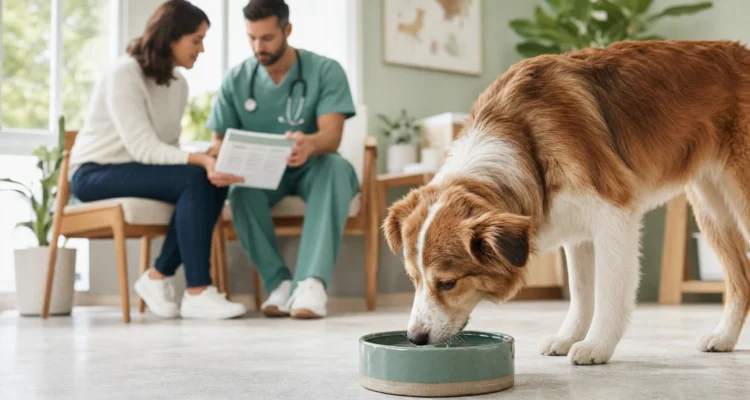
Hydration and Canine Digestive Health
Water supports circulation, temperature regulation, cellular function, digestion, and waste removal. The gastrointestinal tract normally secretes and reabsorbs large volumes of fluid. Vomiting and diarrhea can interrupt that balance while…

Leaky Gut in Dogs: What Veterinary Research Currently Says
The intestinal lining must absorb nutrients while limiting entry of microbes, toxins, and other material. Veterinary researchers can measure aspects of barrier function and have documented altered permeability in some…

Digestive Enzymes for Dogs: What Research Indicates
Enzymes break food components into forms the intestine can absorb. Dogs normally produce digestive enzymes in the pancreas and intestinal tract. A diagnosed failure of pancreatic enzyme production, called exocrine…

Dog Food Sensitivities and Digestive Upset: An Owner Overview
Vomiting, diarrhea, gas, appetite changes, and weight loss can occur with food-responsive disease, but they can also reflect parasites, infection, pancreatic disease, obstruction, toxins, endocrine disease, cancer, or other enteropathies.…

Third-Party Testing for Dog Supplements: Why It Matters
Third-party testing sounds reassuring because it places an outside laboratory between a manufacturer and its claim. That can be valuable, but only when the tested sample, method, specification, result, and…

Supplement Interactions in Dogs: Questions to Ask Your Vet
A dog does not experience a supplement in isolation. The same ingredient may appear in food, treats, chews, powders, oils, and combination products. Botanicals and concentrated nutrients can add physiologic…

NASC Quality Seal and Dog Supplement Oversight
The NASC Quality Seal is a voluntary industry quality-program mark used by eligible member companies. It can tell an owner that a company has met specified program requirements involving audits,…

How to Read a Dog Supplement Label
The front of a dog supplement package is designed to attract attention. The information needed for a safety review may be spread across the side, back, lid, insert, and online…

Dog Supplement Safety: What Every Owner Should Understand
Dog supplements sit in a confusing space where food-style products, concentrated nutrients, botanicals, microbes, and products making drug-like promises can look similar on a shelf. In the United States, products…