


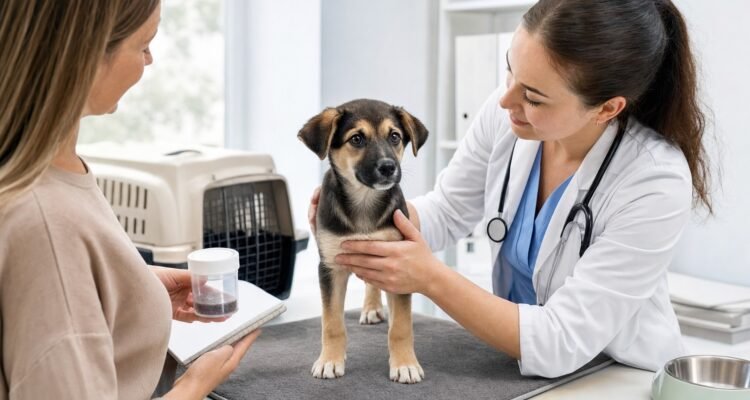
Puppy Digestive Health: What New Dog Owners Should Know
Puppy digestion changes during growth, but youth is not an explanation for vomiting, diarrhea, poor appetite, or weight concern. Infection, parasites, dietary exposure, foreign material, toxins, stress, congenital problems, and…
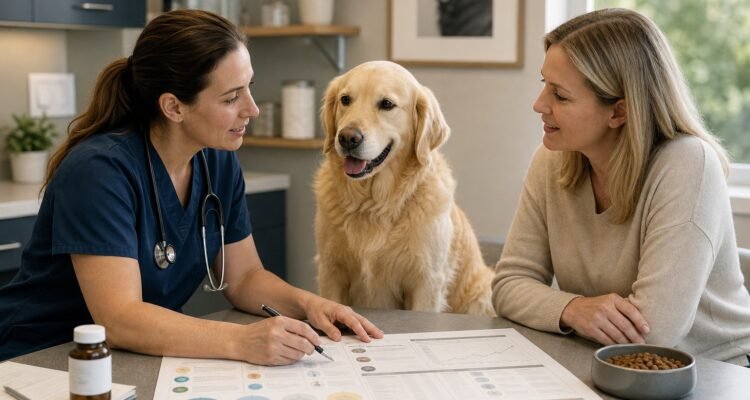
The Role of Your Veterinarian in Supplement Decisions
A veterinarian's role is larger than saying yes or no to a bottle. The useful process begins with the dog's health question, current diet, medications, laboratory findings, prior reactions, and…
Signs a Dog Supplement May Not Be Working or May Cause Concern
A supplement trial should begin with a defined reason, observable baseline, planned review date, and instructions for new signs. Lack of visible improvement does not by itself prove product failure,…
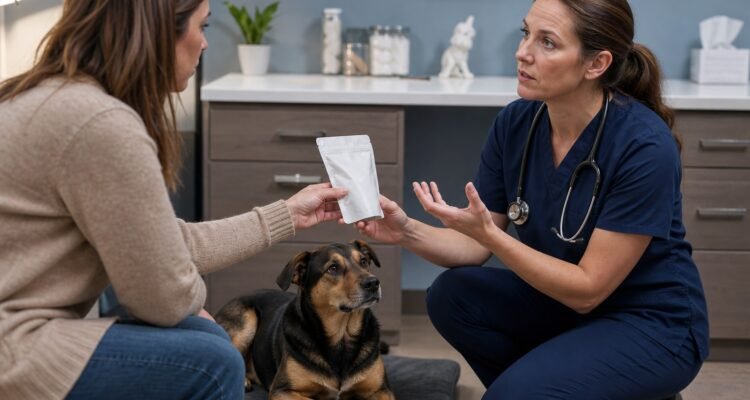
Dog Supplement Dosing: Why Owner Judgment Is Not Enough
Dog supplement dosing cannot be reduced to body weight, a human serving, or a front-label scoop. Risk and suitability depend on the exact ingredient and chemical form, elemental amount, formulation,…

Multi-Ingredient Dog Supplements: What Owners Should Understand
A multi-ingredient formula is not automatically more complete, effective, or dangerous than a single-ingredient product. Its usefulness depends on the dog's problem, the purpose and amount of every component, total…

Choosing a Dog Supplement Brand: Questions to Ask
Choosing a supplement company is not a hunt for the most polished label. First determine whether a supplement belongs in the dog's plan. Then examine who makes it, whether lots…
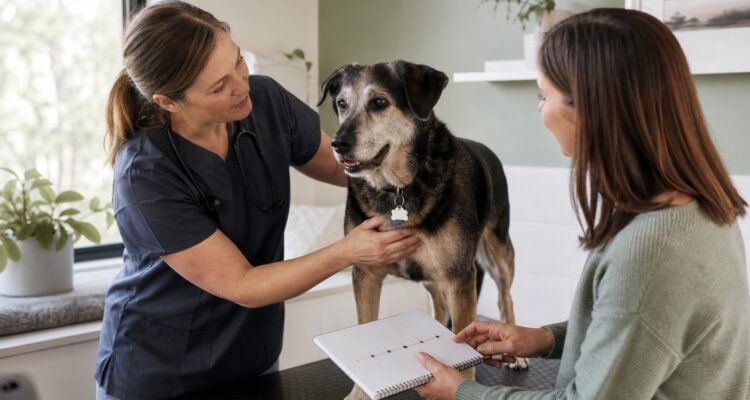
Regular Veterinary Visits for Senior Dogs: What to Expect
Senior visits are most useful when the veterinary team can connect subtle home changes with a complete examination and a patient-specific plan. Age increases the chance that more than one…
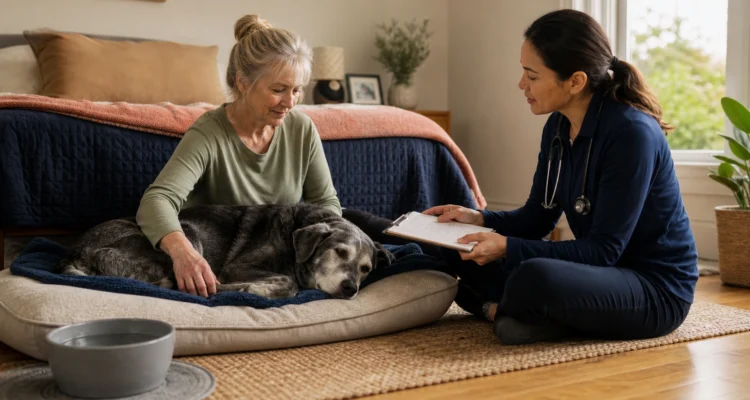
End-of-Life Comfort Care for Dogs: An Owner’s Guide
Comfort-focused care is not the absence of care. It is a deliberate veterinary plan to reduce suffering, preserve meaningful function and connection where possible, support caregivers, and prepare for change.…
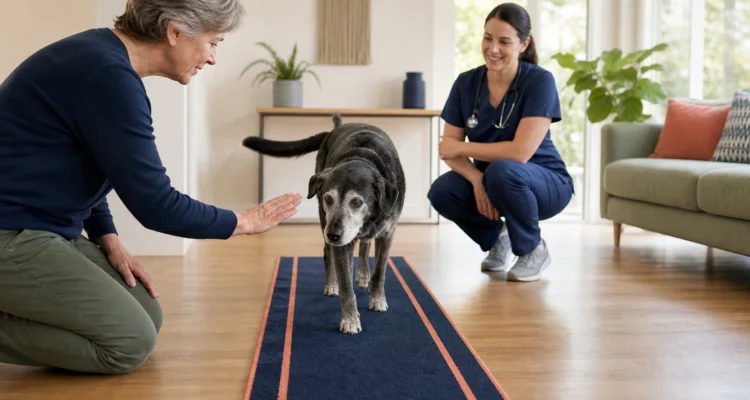
Vision and Hearing Changes in Older Dogs
Older dogs may navigate differently because of vision loss, hearing loss, pain, cognitive change, medication effects, or more than one issue. Gradual adaptation can hide impairment until the environment changes.…
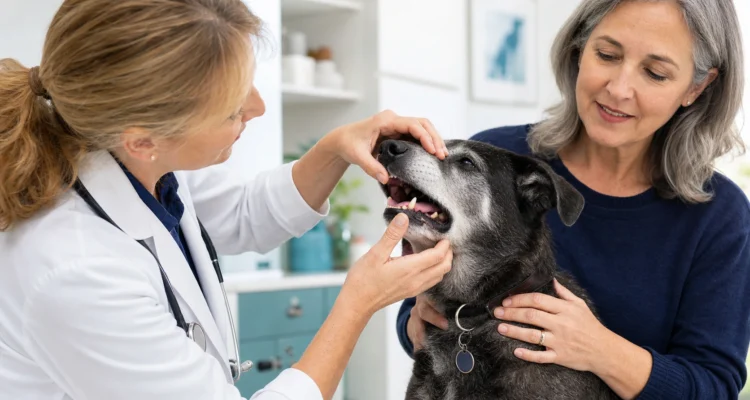
Dental Health in Senior Dogs: What Owners Should Know
Dental disease is common in older dogs, but age alone neither diagnoses oral pain nor automatically rules out appropriate care. Owners can notice changes and support daily prevention, while veterinarians…