

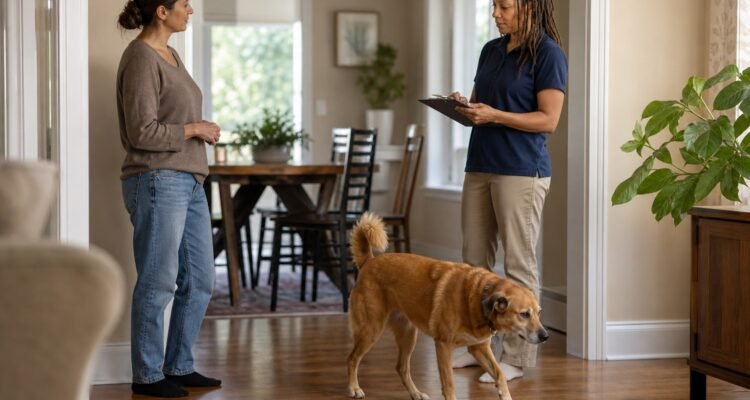
Home Environment for Anxious Dogs: A Vet-First Audit
The home is not automatically a neutral setting, and an environmental change is not automatically treatment. Sound, sight lines, visitors, other animals, resource locations, confinement, exits, handling, sleep, and routine…

How to Track Dog Anxiety at Home Without Diagnosing It
A behavior log is a longitudinal communication tool, not a home diagnostic test. Panting, pacing, hiding, vocalizing, withdrawal, aggression, sleep change, or elimination change can have behavioral and medical explanations.…

Budget-Conscious Dog Anxiety Support: Vet-First Planning
Cost is a recognized barrier to veterinary care, and owners should be able to discuss it without shame. Budget-conscious behavior care starts by identifying immediate safety and welfare needs, collecting…

Rescue Dog Anxiety From Day One: A Vet-First Record
The popular 3-3-3 rule is not a diagnostic or predictive timeline. Research shows that owner-reported behavior can change after adoption, but patterns differ across dogs and behaviors. Adoption status does…

Seasonal Events and Dog Anxiety: A Vet-First Planning Guide
Seasonal events can cluster noise, visitors, travel, schedule changes, decorations, neighborhood activity, and unfamiliar handling. Some dogs show subtle avoidance; others may attempt escape or become unable to settle. Timing…
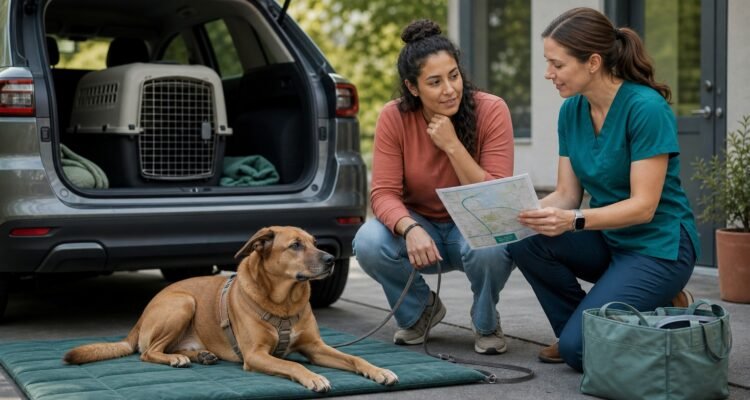
Traveling with an Anxious Dog: A Vet-First Preparation Guide
Travel changes motion, confinement, sound, people, animals, temperature, routine, sleep, food, toileting, and access to care. Panting, drooling, vomiting, freezing, pacing, vocalizing, escape attempts, or refusal can reflect fear, motion…

Anxiety and Digestive Upset in Dogs: The Gut-Brain Connection
The gut and brain communicate through neural, endocrine, immune, and microbial-metabolite pathways, so digestive and behavior changes can plausibly influence one another. That framework does not tell an owner whether…
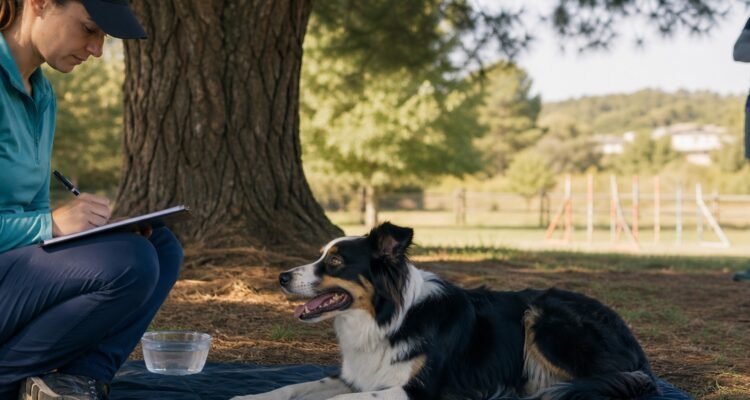
Active and Sport Dogs: Stress, Overstimulation, and Recovery
An active dog can be excited, focused, frustrated, fatigued, fearful, painful, overheated, or unable to settle, and several states can occur together. Visible intensity alone does not diagnose anxiety, and…
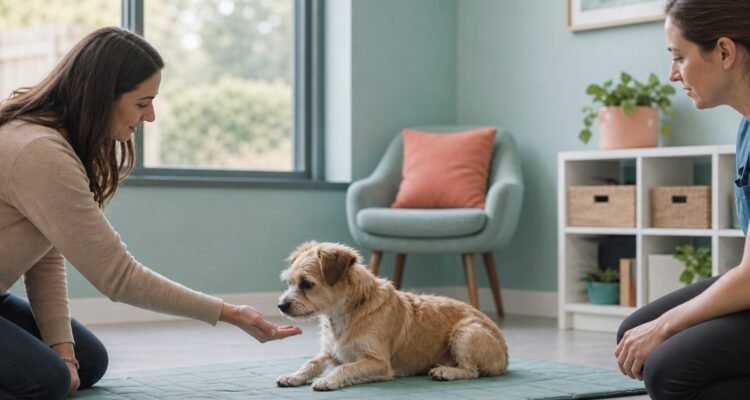
Small-Breed Dogs and Anxiety: Common Patterns and Vet-First Guidance
Small dogs can show the same fear, anxiety, panic, avoidance, and recovery problems as larger dogs, but people may overlook them because barking seems less dangerous or the dog can…

Large-Breed Dogs and Anxiety: Size-Specific Behavioral Considerations
A large dog's freezing, retreating, pacing, panting, scanning, vocalizing, refusing, escape behavior, destructiveness, or sudden reactivity can be easy to misread as dominance or defiance. Those labels do not explain…