

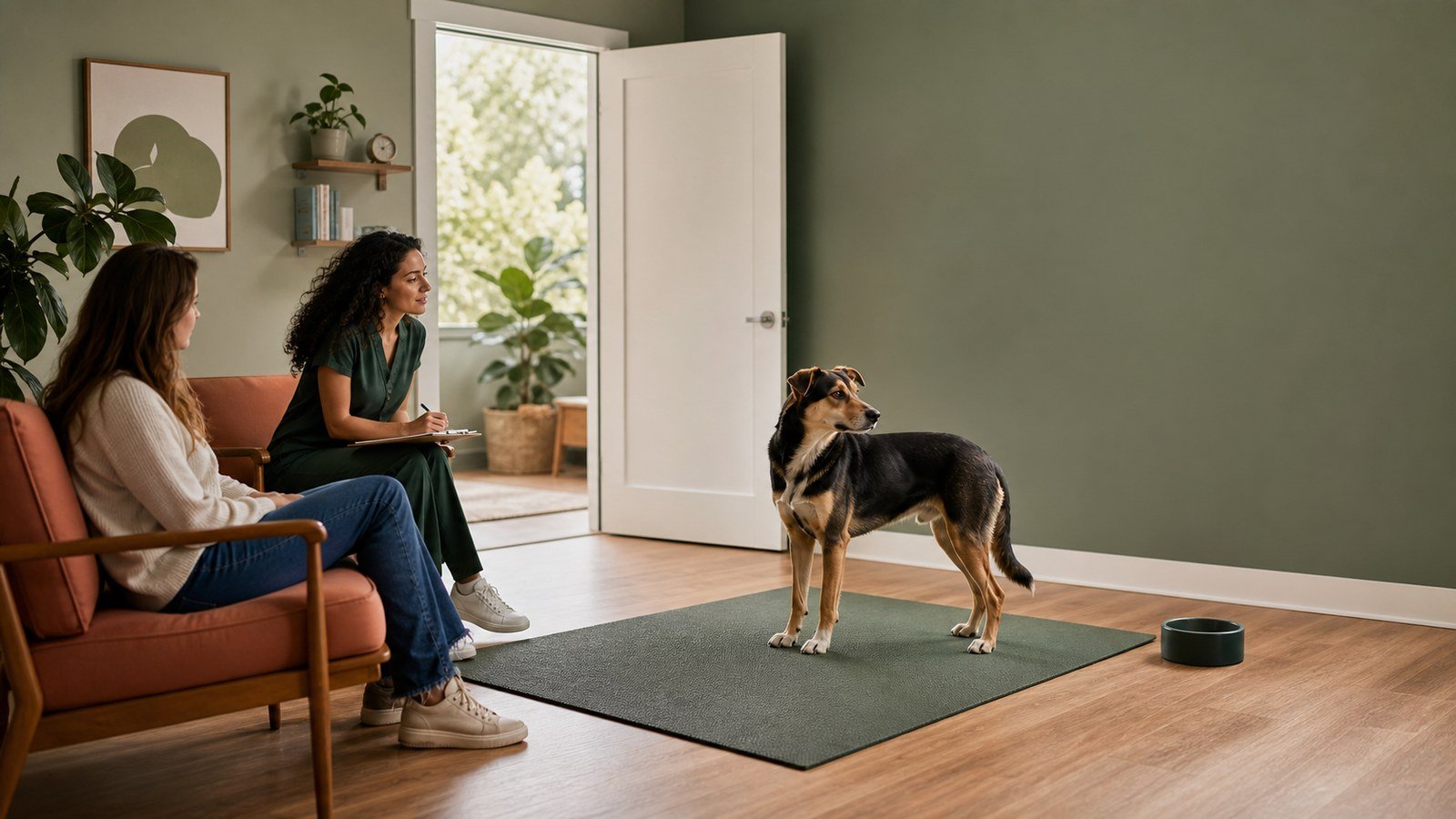
Short Answer: What Owners Should Know About Anxiety and Stress in Dogs
Anxiety and stress in dogs can show up as changes in body language, daily routine, appetite, sleep, toileting, social behavior, noise sensitivity, separation patterns, or recovery after stressful events. These signs can point to behavior or medical concerns, but they are not proof of a diagnosis. The safest next step is to track patterns and discuss concerning, sudden, severe, or recurring signs with your veterinarian or a qualified behavior professional.
This page cannot diagnose your dog. It is a condition-side safety anchor that helps owners recognize red flags, prepare better notes, and understand where veterinary care, behavior support, training, environmental management, medication guidance, and cautious calming supplement context may fit.
Sources and Further Reading
Medical, Veterinary, and Behavior Disclaimer
This draft is for general educational purposes only. It does not diagnose anxiety, stress, fear, panic, separation-related distress, or any medical condition. It is not a substitute for veterinary diagnosis, treatment, medication guidance, individualized training, environmental management, or qualified behavior-professional support.
Ask your veterinarian before starting calming chews, supplements, wraps, or other products, especially for seniors, dogs on medication, chronic anxiety-like signs, aggression, self-injury, known health conditions, or sudden behavior changes.
What Anxiety and Stress Can Look Like in Dogs
Dogs do not all show anxiety or stress in the same way. Some become active and vocal. Others shut down, hide, freeze, avoid contact, or seem unusually quiet. A single sign does not diagnose anxiety, but repeated patterns can help you know when to ask for help.
Common Signs and Behavior Changes
- Pacing, panting, trembling, hiding, freezing, or clinginess
- Barking, whining, howling, growling, or sudden startle responses
- Destructive behavior, escape attempts, door or crate damage, or window fixation
- Changes in appetite, water intake, sleep, toileting, or grooming
- Avoidance of people, dogs, rooms, sounds, surfaces, handling, car rides, or vet visits
- Restlessness at night, confusion, new sensitivity, or sudden behavior changes in senior dogs
Use the broader Dog Anxiety guide for training and support context, and the Dog Anxiety Causes and Triggers guide for tracking patterns.
Anxiety and Stress Triage Table
| What you see | Why it matters | Suggested next step |
|---|---|---|
| Mild stress signs during a predictable event | Some dogs recover quickly after a known stressor. | Track the trigger, reduce intensity, use calm routines, and review the pattern if signs repeat. |
| Recurring signs around noises, departures, guests, travel, or handling | Repeated patterns may need a structured behavior-first plan. | Document triggers and talk with your veterinarian or a qualified behavior professional. |
| Sudden major behavior change | Pain, illness, sensory changes, medication effects, or cognitive changes may be involved. | Contact your veterinarian promptly before assuming the issue is behavioral. |
| Self-injury, aggression, dangerous escape attempts, or severe panic | These are safety concerns, not product-shopping problems. | Seek veterinary and qualified behavior-professional help promptly. |
| Senior dog confusion, restlessness, new fear, or routine disruption | Senior behavior changes can be linked to pain, sensory loss, illness, or cognitive changes. | Schedule a veterinary evaluation and track eating, sleeping, toileting, mobility, and awareness changes. |
Anxiety vs Fear vs Stress vs Medical Issues
Fear
Fear is often tied to a specific trigger, such as thunder, fireworks, unfamiliar people, handling, or a scary surface. Fear can be mild, intense, short-lived, or part of a larger pattern.
Stress
Stress can happen when a dog is overloaded, uncertain, uncomfortable, under-stimulated, over-stimulated, or unable to recover between events. Stress can stack across the day.
Anxiety-Like Patterns
Anxiety-like patterns may involve anticipation, repeated worry responses, changes in routine, or distress that appears before a known event. Signs are reasons to talk with your vet or behavior professional, not proof of a diagnosis.
Medical Issues
Pain, illness, GI upset, itching, hormonal changes, sensory changes, cognitive changes, and medication effects can look like anxiety. Veterinary involvement matters because behavior changes may be the first visible clue that a dog does not feel well.
Possible Contributors and Triggers
Common contributors can include noise, separation patterns, changes in routine, travel, confinement, social pressure, handling, grooming, vet visits, pain, illness, sensory changes, lack of recovery time, or stacked stressors. Triggers are clues, not diagnoses.
- Separation-related distress: signs around departures, owner absence, confinement, or return routines may need veterinary and behavior support.
- Noise-related fear and panic: storms, fireworks, construction, traffic, or sudden sounds can require preparation and safety planning.
- Social or handling pressure: visitors, unfamiliar dogs, children, grooming, nail trims, or vet handling can create stress or defensive behavior.
- Health and aging changes: pain, GI signs, skin discomfort, hormone changes, hearing loss, vision changes, and cognitive changes can affect behavior.
For noise-specific planning, see Storm & Fireworks Anxiety in Dogs. For supplement context, see Calming & Anxiety Supplements for Dogs.
Separation, Noise, and Senior Dog Behavior Changes
Separation-Related Distress
Separation-related distress can include vocalizing, pacing, destruction, elimination, attempts to escape, or difficulty settling when a caregiver leaves. These signs do not prove separation anxiety at home. Track timing, departure cues, duration, recovery, and safety risk, then discuss the pattern with your veterinarian or a qualified behavior professional.
Noise-Related Fear and Panic
Noise-related fear can involve hiding, trembling, panting, drooling, pacing, bolting, climbing, or escape attempts. Storm and fireworks fear should be prepared for before the event whenever possible. Do not give human anxiety medication or unreviewed products without veterinary guidance.
Senior Dog Anxiety and Behavior Changes
Senior anxiety-like signs should not be dismissed as normal aging. New restlessness, night waking, confusion, irritability, fear, house soiling, appetite changes, or social withdrawal may involve pain, sensory changes, cognitive changes, illness, or medication effects. Use the Senior Dog Wellness guide to organize age-related notes for your vet.
When Anxiety or Stress Needs Professional Help Now
Contact your veterinarian or a qualified behavior professional promptly if your dog shows severe or escalating anxiety, self-injury, escape attempts, aggression, panic, sudden senior behavior changes, or major changes in eating, sleeping, toileting, or daily life. Calming chews, supplements, crates, wraps, music, routines, and home strategies are not enough for these situations without professional guidance.
If there is immediate danger to people, animals, or your dog, prioritize safety and contact an appropriate veterinary, emergency, or qualified behavior resource.
Vet and Behavior Visit Checklist
What Your Vet May Ask or Check
- When the behavior started and whether it changed suddenly
- Eating, drinking, sleeping, toileting, mobility, skin, GI, and pain signs
- Medication, supplement, diet, routine, household, or environment changes
- Senior dog awareness, hearing, vision, night restlessness, or confusion changes
- Videos or logs of behavior when safe to collect
- Whether medication, testing, treatment, or referral may be appropriate
What a Behavior Professional May Evaluate
- Triggers, thresholds, recovery time, and stress stacking
- Body language, learning history, handling sensitivity, and safety risks
- Environment setup, daily routine, management plan, and enrichment
- Training plan, behavior modification steps, and owner safety instructions
- When collaboration with the veterinarian is needed for medical or medication support
Support-Category Diagram
- Veterinary care: rule out pain, illness, sensory changes, cognitive changes, medication effects, and health risks.
- Behavior support: evaluate triggers, thresholds, safety, learning history, and behavior-modification needs.
- Environmental management: reduce trigger intensity, create safe spaces, manage access, and prevent repeated panic rehearsals.
- Training and behavior modification: build coping skills with reward-based methods and realistic steps.
- Medication guidance: discuss veterinary treatment options when signs are severe, chronic, dangerous, or disruptive.
- Calming products: consider only as supportive tools when appropriate, label-reviewed, and professionally guided for the dog’s situation.
Where Calming Supplements May Fit After Professional Guidance
Calming supplements or chews may support calm behavior in some dogs or help support relaxation around specific stressors, but they are not a substitute for diagnosis, treatment, training, medication, environmental management, or professional behavior support. They should fit into a broader behavior-first plan, not replace the plan.
Before comparing products, review How to Read a Dog Supplement Label. Commercial comparison content, including Best Calming Chews for Dogs, remains safety-framed and pending product verification. Product-facing content should follow the product review methodology and affiliate disclosure.
For product-versus-training context, read Calming Chews vs Training.
What Not to Do at Home
- Do not assume anxiety-like signs are purely behavioral without considering pain, illness, sensory changes, or senior health changes.
- Do not use human medications, unreviewed products, or multiple calming products without veterinary guidance.
- Do not punish growling, hiding, freezing, avoidance, or other warning signs.
- Do not trap a panicking dog in a crate, force exposure to a scary trigger, or rely on music, wraps, routines, or products alone for severe fear.
- Do not try to manage aggression, self-injury, dangerous escape attempts, or severe panic at home without professional help.
- Do not dismiss senior dog behavior changes as normal aging.
How to Track Behavior Patterns
Tracking turns vague concern into useful notes. A behavior log can help your veterinarian and behavior professional understand what is happening, what changed, and what support has or has not helped.
| Tracker field | What to write down |
|---|---|
| Trigger or context | Noise, departure, guest, handling, car ride, routine change, pain sign, or unknown context. |
| Observed signs | Body language, vocalizing, hiding, pacing, destruction, toileting, appetite, or sleep changes. |
| Severity and duration | Use a simple 1-10 rating and note how long it took to recover. |
| Health and environment changes | Pain signs, GI changes, mobility, medications, household changes, weather, or schedule shifts. |
| Support tried | Training setup, management change, calming product used if any, veterinary advice, or behavior plan step. |
FAQ
Can this page diagnose anxiety in my dog?
No. This page cannot diagnose your dog. Signs are reasons to talk with your veterinarian or behavior professional, not proof of a diagnosis.
Do anxiety-like signs always mean a behavior problem?
No. Pain, illness, GI upset, hormonal changes, sensory changes, cognitive changes, and medication effects can look like anxiety or stress. Veterinary involvement is important when signs are sudden, severe, recurring, or tied to health changes.
Where can calming supplements fit for anxiety-like or stress-related signs?
Calming supplements may support calm behavior in some dogs or help support relaxation around specific stressors, but they do not diagnose, treat, or resolve anxiety or stress by themselves. Ask your veterinarian before starting, especially for seniors, medications, chronic anxiety-like signs, aggression, self-injury, or known health conditions.
When should I contact a behavior professional?
Contact a qualified behavior professional when signs are severe, escalating, dangerous, recurring, spreading to more triggers, or disrupting daily life. Behavior-professional support is important for serious cases.
Are crates, wraps, or music enough for panic?
No. These tools may support some dogs in some situations, but they are not enough for severe panic, self-injury, dangerous escape attempts, aggression, or major disruption without professional guidance.