

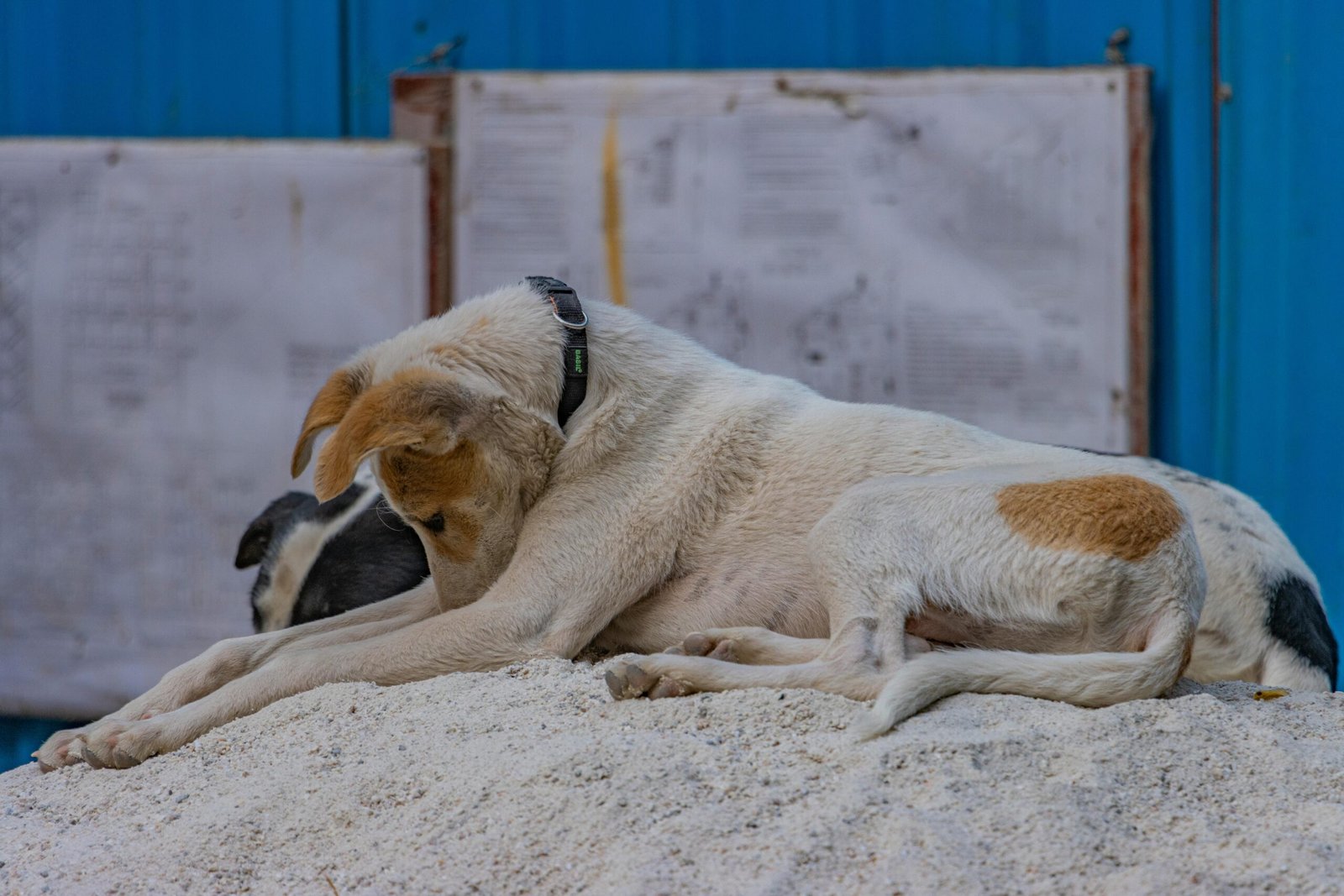
Are you puzzled by your dog’s relentless digging in the yard and eager to find a solution? In “Why is My Dog Digging in the Yard, and How Can I Stop It? Canine Health Tips,” we dive into the root causes of this common canine behavior and offer practical, health-conscious strategies to address it. From understanding breed-specific tendencies and environmental factors to exploring natural dog remedies and targeted supplements, this article will equip you with the knowledge you need to promote your furry friend’s overall health and well-being while curbing their digging instincts. Along with insights from veterinarians and expert advice on canine health, you’ll discover the best practices for ensuring your dog stays happy, healthy, and well-behaved. Have you ever found yourself wondering, “Why is my dog digging in the yard, and how can I stop it?” Well, you’re not alone. Many dog owners face this common yet frustrating problem. Let’s delve deeper into understanding why our furry friends indulge in this behavior and what steps you can take to curb it. We’ll also explore some vital tips on maintaining your dog’s overall health and well-being.

Why Do Dogs Dig?
There are several reasons why dogs dig, and identifying the root cause can help you address the behavior more effectively.
Natural Instinct
Digging is a natural instinct inherited from their wild ancestors. Wolves and foxes would dig to hunt for prey, create burrows for shelter, and even store food. Your dog may be exhibiting this innate behavior.
Boredom and Lack of Stimulation
Is your dog getting enough mental and physical stimulation? Bored dogs often turn to digging as a way to entertain themselves. Providing toys, exercise, and engaging activities can help reduce this behavior.
Seeking Comfort
Sometimes, dogs dig to create a comfortable resting place. On hot days, they may dig into cooler soil to regulate their body temperature. Ensuring your dog has a comfortable and suitable resting area can often prevent this.
Hidden Treasures or Prey
Your dog may be digging because they sense something underground, like insects or rodents. They might also be burying items such as toys or bones and later digging them up.
Anxiety or Stress
Stress and anxiety can manifest as digging behavior in dogs. If there have been recent changes in your household, like a new pet or moving to a new place, your dog might be digging to cope.
How to Stop Your Dog from Digging
Identifying the Cause
Before taking any concrete steps, it’s crucial to identify why your dog is digging. Observing their behavior and considering recent changes or patterns can provide valuable insights.
Increase Physical and Mental Stimulation
Dogs need regular mental and physical exercise to stay happy and healthy. Make sure they’re getting enough playtime, walks, and interactive toys to keep their minds occupied.
| Type of Activity | Description |
|---|---|
| Daily Walks | At least 30-60 minutes of walking every day. |
| Interactive Toys | Puzzle toys or treat-dispensing toys. |
| Training Sessions | Teach new tricks and commands regularly. |
| Playtime | Games like fetch, tug-of-war, or hide-and-seek. |
Create a Designated Digging Area
Providing a designated digging spot can redirect your dog’s behavior. Choose a specific area in your yard and encourage your dog to dig there by burying toys or treats. Praise and reward them for using the designated spot.
Ensure a Comfortable Environment
If your dog digs to seek comfort, make sure they have a cool and shaded area to relax. Provide a comfortable bed or a cooling mat, especially on hot days.
Addressing Anxiety
If anxiety is the cause, identifying and mitigating stressors in the environment can help. You might also consider consulting a veterinarian or a canine behaviorist.
Training Techniques
Using positive reinforcement to train your dog can be very effective. When you catch them digging inappropriately, redirect their attention and reward them when they stop. Consistent training helps instill good behavior over time.
Canine Health Tips
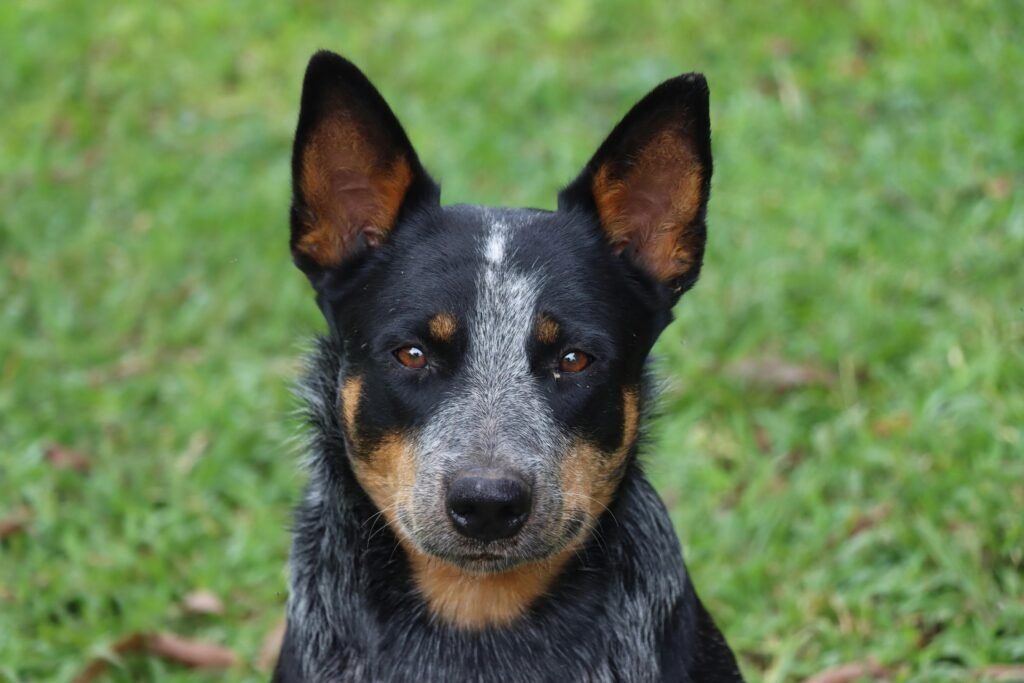
Your dog’s digging habits might also be related to their overall health and well-being. Addressing their health can indirectly influence their behavior.
Proper Diet and Nutrition
Providing a balanced diet is essential for your dog’s health. Ensure their food contains all the necessary nutrients, vitamins, and minerals.
| Essential Nutrients | Sources |
|---|---|
| Protein | Meat, fish, eggs, dairy. |
| Carbohydrates | Grains, vegetables, fruits. |
| Fats | Fish oil, flaxseed oil, animal fat. |
| Vitamins | Fresh vegetables, fruits, and high-quality kibble. |
| Minerals | Bone meals, grains, and meat. |
Importance of Hydration
Always provide fresh water for your dog. Proper hydration supports various bodily functions and can keep your dog cool and comfortable, reducing the need to dig for cooler spots.
Regular Veterinary Check Ups
Regular visits to the veterinarian can help detect any underlying health issues that might be causing your dog’s digging behavior. Routine check-ups ensure that your dog remains in optimal health.
The Role of Supplements
Supplements can support different aspects of your dog’s health. Here’s a table highlighting some common supplements and their benefits:
| Supplement | Benefits |
|---|---|
| Glucosamine and Chondroitin | Supports joint and cartilage health. |
| Omega-3 Fatty Acids | Promotes healthy skin, coat, and reduces inflammation. |
| Probiotics | Supports digestive health and boosts immunity. |
| Multivitamins | Ensures overall health by providing essential nutrients. |
| Antioxidants | Supports a strong immune system and fights off free radicals. |
Dental Health
Good dental health is crucial for your dog’s overall well-being. Regular brushing and dental chews can help maintain their dental hygiene.
| Dental Care Product | Benefit |
|---|---|
| Toothbrush and Toothpaste | Cleans teeth and massages gums. |
| Dental Chews | Reduces plaque and tartar build-up. |
| Dental Wipes | Convenient for quick clean-ups. |
| Professional Cleanings | Comprehensive cleaning by a vet. |
Importance of Exercise
Consistent physical activity is vital for maintaining a healthy weight and reducing stress in your dog, which may contribute to digging behavior. Adjust the level of exercise based on your dog’s age, breed, and health condition.
Managing Aging and Joint Health
As dogs age, they may experience joint pain and stiffness which can sometimes lead to behavioral changes like digging. Joint supplements such as glucosamine and chondroitin can provide relief and improve mobility.
Consulting a Veterinarian
Before making any significant changes to your dog’s diet or supplementation, it’s crucial to consult with your veterinarian. They can provide tailored advice based on your dog’s specific health needs.
Questions to Ask Your Vet
When discussing your dog’s health and behavior with your veterinarian, consider asking the following questions:
- What could be the underlying cause of my dog’s digging?
- Are there any health issues we need to address?
- What diet and supplements would you recommend for my dog’s needs?
- How can I help manage my dog’s stress and anxiety?
Conclusion
Understanding why your dog digs in the yard and addressing the underlying causes through proper training, adequate stimulation, and taking care of their overall health can significantly reduce this behavior. Always remember that maintaining your dog’s overall health is key to a happy, well-behaved companion. By ensuring they receive the proper diet, regular exercise, and routine veterinary care, you’re setting the stage for a joyful and healthy life for your furry friend.
With a friendly approach and consistent efforts, you can turn that digging habit into a thing of the past. Happy dog parenting!
Related posts:
 Why Is My Canine Digging in the Yard?
 How to Stop Your Dog from Pulling on the Leash: Tips for Maintaining Canine Health
 How Do I Stop My Dog from Chasing After Cars: Tips for Responsible Dog Owners
 How to Stop Your Dog from Jumping on People: Tips from a Veterinarian
 Why is My Dog Barking Excessively? A Guide to Canine Health
 Why Is My Dog Aggressive Towards Other Dogs and How Can Canine Health Products Help?
