


Determining the right portion size for your dog is crucial for maintaining their health and well-being. By understanding your dog’s specific needs based on factors like breed, age, weight, and activity level, you can help ensure they get the right amount of nutrients every day. Consulting with your veterinarian can provide personalized recommendations and help you avoid common pitfalls, such as overfeeding or underfeeding. Additionally, incorporating high-quality dog health products, such as dietary supplements rich in omega-3 fatty acids and glucosamine, can support your dog’s overall health, from joint and skin health to optimal bowel movements and dental health. Remember, every dog is unique, and finding the perfect balance can not only promote their longevity but also enhance their quality of life! Have you ever stopped to wonder, “How do I determine the right portion size for my dog?” It’s a question that often puzzles many dog owners. After all, your dog’s health and well-being depend significantly on their diet. As a responsible dog owner, you want to make sure you’re providing the best possible care for your furry friend. So, let’s dive in and explore how you can determine the right portion size for your dog’s health.
Why Portion Size Matters
Feeding your dog the correct portion size is crucial for maintaining their overall health and well-being. Too little food, and your dog may miss out on essential nutrients it needs to thrive. Too much food, and you could be putting them at risk for obesity and various related health issues. Understanding how to measure and adjust portion sizes will help support your dog’s long-term health.
Factors That Influence Portion Size
There are several factors that influence the correct portion size for your dog:
Dog’s Age
Age is one of the primary factors that determine how much food your dog needs. Puppies generally have different nutritional requirements compared to adult dogs or senior dogs. Young dogs are often more active, which means they may need more calories to maintain their energy levels. Conversely, senior dogs may require fewer calories but will benefit more from nutrients that support joint health and mobility.
Weight and Body Condition
Monitoring your dog’s weight and body condition is essential. Overweight dogs need to be on a different feeding schedule compared to underweight or ideal-weight dogs. Body condition scoring is a useful tool that you and your veterinarian can use to assess whether your dog is at a healthy weight.
Breed
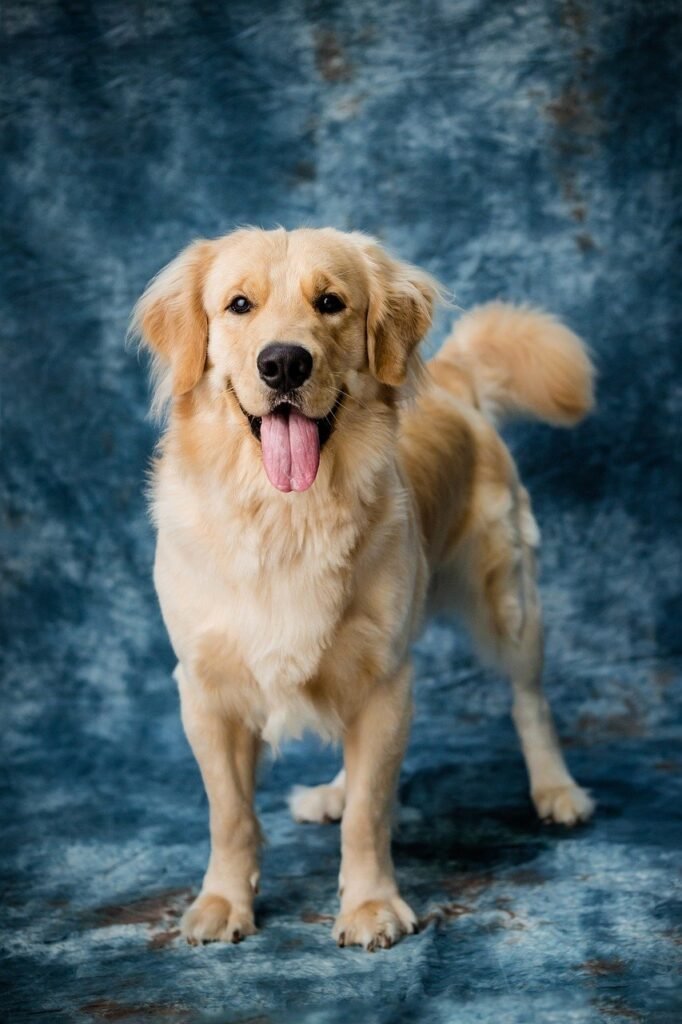
The breed of your dog also plays a significant role in determining the portion size. Larger breeds like German Shepherds or Golden Retrievers typically need more food compared to smaller breeds like Chihuahuas or Dachshunds. Each breed has specific nutritional needs that help maintain optimum health.
Activity Level
Active dogs that run, play, and exercise frequently will burn more calories and thus require more food. On the other hand, dogs with a more sedentary lifestyle will need fewer calories to avoid gaining unnecessary weight.
Health Status
Your dog’s health status also affects how much food they should be eating. Dogs with specific health conditions like diabetes, kidney issues, or allergies may require special diets, and their portion sizes will be different.

How to Calculate the Right Portion Size
Now that you know the factors affecting portion size, let’s walk through how you can calculate the right portion size for your dog.
Consult the Dog Food Label
Most commercial dog food brands provide feeding guidelines on the packaging. These guidelines usually recommend portion sizes based on your dog’s weight. While these can be useful starting points, they are not one-size-fits-all solutions.
Use a Caloric Needs Calculator
The National Research Council provides guidelines for daily caloric intake for dogs. While this might seem complicated, several online calculators can help you determine how many calories your dog should consume daily. Here’s a quick formula you can use:
[ Resting Energy Requirement (RER) = 70 \times (current body weight in kg)^ ]
After calculating the RER, you can multiply this number by a factor that matches your dog’s activity level:
- Inactive/Obese-prone (1.2-1.4)
- Neutered/Spayed adult dogs (1.6)
- Active/Working dogs (2.0-5.0)
Table Example
You can refer to a table like this for a quick glance:
| Dog Weight (kg) | Activity Level | Daily Calorie Needs (kcal) |
|---|---|---|
| 5 | Inactive (1.2) | 200 |
| 10 | Neutered/Spayed Adult (1.6) | 560 |
| 20 | Active Working Dog (2.5) | 1400 |
Consult Your Veterinarian
Always consult your veterinarian before making any significant changes to your dog’s diet. They can provide personalized advice tailored to your dog’s specific needs.
Understanding Dog Food Types
Understanding the different types of dog foods and their caloric densities will help you choose the right food for your dog.
Dry Dog Food (Kibble)
Dry dog food is convenient and has a long shelf life. The caloric density of kibble can vary, but it usually ranges between 300-400 kcal per cup.
Wet Dog Food
Wet dog food has a higher moisture content and can be more palatable for dogs. However, it’s usually less calorie-dense compared to dry food, often containing between 150-200 kcal per can.
Raw and Homemade Diets
Some dog owners prefer feeding their dogs a raw or homemade diet. If you opt for this, working closely with a veterinarian is vital to ensure you’re providing a balanced diet that meets all of your dog’s nutritional needs.
Supplements and Their Role
Supplementing your dog’s diet can provide them with essential nutrients they might not be getting from their regular food. Here are some common supplements:
Joint Supplements
Joint supplements like glucosamine and chondroitin can be beneficial for older dogs or breeds prone to hip and joint issues.
Omega-3 Fatty Acids
Omega-3 fatty acids support skin and coat health and can also help with inflammatory conditions.
Multivitamins
For dogs on special diets, a multivitamin might be necessary to ensure they’re getting all the essential nutrients.
Probiotics
Probiotics can help maintain healthy bowel movements and support overall digestive health.
Monitoring and Adjusting Portion Sizes
Even after determining the right portion size, it’s essential to monitor your dog’s condition regularly to make adjustments as needed.
Regular Weigh-Ins
Weigh your dog regularly and keep a record of their weight. Any significant weight changes should prompt a review of their diet and portion sizes.
Body Condition Scoring
Use body condition scoring to help determine if your dog is underweight, overweight, or just right. This involves evaluating your dog’s ribs, abdomen, and waist.
Regular Veterinary Check-ups
Your veterinarian can provide ongoing support and guidance on your dog’s nutritional needs. Regular check-ups will help ensure your dog remains in good health.
Common Mistakes to Avoid
Understanding some common mistakes can help you avoid pitfalls when determining your dog’s portion sizes.
Guesswork
Relying on guesswork can lead to overfeeding or underfeeding. Always use a proper measuring tool or a kitchen scale.
Ignoring Activity Levels
Failing to adjust portion sizes based on your dog’s activity level can result in weight gain or loss. Always consider how active your dog is when determining portion sizes.
Skipping Meals
Skipping meals or inconsistent feeding schedules can upset your dog’s digestive system. Try to feed your dog at the same times each day to establish a routine.
Conclusion
Determining the right portion size for your dog can seem daunting, but it doesn’t have to be. By considering factors like age, weight, breed, and activity level, consulting food labels and veterinarians, and supplementing wisely, you can ensure your dog gets the nutrition they need for a happy, healthy life. Remember, regular monitoring and adjusting as needed will help keep your furry friend in peak condition. So why wait? Start evaluating your dog’s portion sizes today and take a step towards optimizing their health and well-being.
Related posts:
 How to Improve Your Dog’s Health with Canine Wellness Supplements
 What Are the Essential Nutrients for Maintaining a Dog’s Health?
 How Do Probiotics Benefit My Dog’s Health?
 Dietary Considerations for Active Dogs
 What to Look for in a Dog Joint Supplement
 Are There Any Foods I Should Avoid Giving My Dog?
