


Ensuring your dog’s health is optimized involves a proactive approach to their overall well-being. It’s crucial to provide a balanced diet rich in essential nutrients and consult with a veterinarian to tailor the best plan for your dog’s specific breed and age. High-quality canine wellness supplements, such as glucosamine for joint health and omega-3 fatty acids for a healthy skin and coat, can significantly contribute to their vitality. Regular dental cleanings, vaccinations, and routine veterinary check-ups play important roles in maintaining optimal health. By incorporating natural dog remedies and organic health products, you can further enhance your furry friend’s quality of life, ensuring they remain your happy, healthy companion for years to come. How can dog owners ensure their pet’s health is optimized?
If you’re a dog owner, you might often find yourself asking, “Am I doing everything I can to make sure my furry friend is as healthy as possible?” Your bond with your dog is special, and their health and well-being are paramount. The good news is, there’s plenty you can do to ensure your dog’s health is optimized. From diet and exercise to regular vet visits and special supplements, we’re going to cover it all in this comprehensive guide. Ready to dive in? Let’s get started!
Ensuring a Balanced Diet
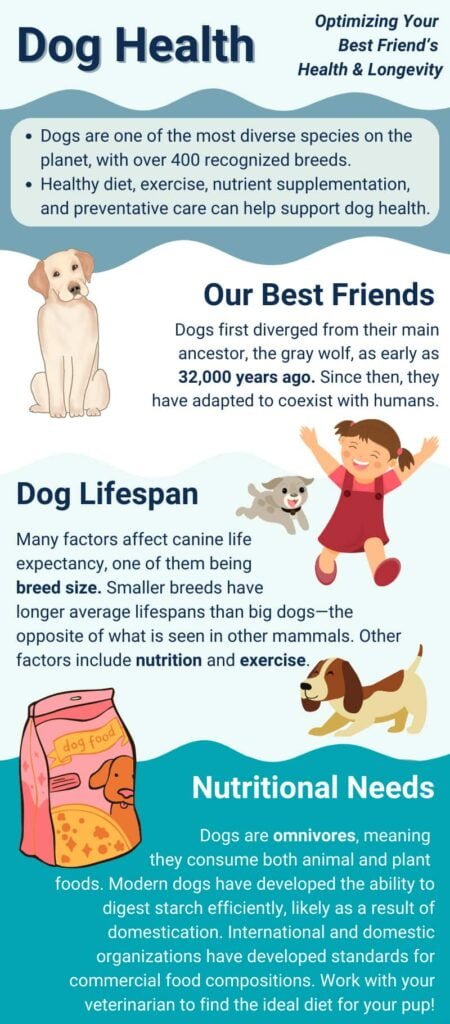
A balanced diet is the cornerstone of your dog’s health. Whether you have a young pup or a senior dog, nutrition should never be overlooked. Dogs need a diet that’s rich in essential nutrients to support their overall health and well-being.
Choosing the Best Dog Food
There are countless options when it comes to dog food, and the best choice often depends on your dog’s age, breed, and health condition. Here’s a simple breakdown to help guide you:
| Dog Type | Type of Food |
|---|---|
| Puppies | Puppy formula with higher protein & fat |
| Adult Dogs | Complete and balanced adult dog food |
| Senior Dogs | Senior formula with joint health support |
Commercial dog food labeled as “complete and balanced” adheres to the guidelines set by the Association of American Feed Control Officials (AAFCO). This ensures your dog gets the essential nutrients.
Incorporating Whole Foods
In addition to commercial dog food, you might consider integrating whole, natural foods into your dog’s diet. Vegetables like carrots and broccoli, lean meats like chicken and turkey, and even some fruits like blueberries can be beneficial, but always consult your vet before making changes.
Understanding Pet Supplements
Pet supplements can play a crucial role in filling any nutritional gaps. For instance:
- Multivitamins: Help ensure your dog gets all necessary vitamins and minerals.
- Probiotics: Aid in maintaining a healthy gut and digestive system.
- Omega-3 Fatty Acids: Support healthy skin and coat, and have anti-inflammatory benefits.
- Glucosamine and Chondroitin: Essential for joint health, especially in older dogs.
Talking to Your Vet
Before introducing any new supplements to your dog’s routine, always talk to your vet. They can provide guidance based on your dog’s specific needs and ensure you’re using the highest quality products.
Regular Exercise and Mental Stimulation
Just like humans, dogs need regular physical activity and mental stimulation to stay healthy and happy.
Physical Exercise
Different breeds and ages will require different levels of exercise.
| Dog Type | Recommended Exercise Type |
|---|---|
| Small Breeds | Short walks, indoor play |
| Medium Breeds | Daily walks, interactive play, fetch |
| Large Breeds | Long walks, hikes, agility training |
| Senior Dogs | Gentle walks, swimming, low-impact play |
Exercise helps maintain a healthy weight, strengthen muscles, and improve cardiovascular health.
Mental Stimulation
Mental exercises are equally important as physical ones. Interactive toys, puzzle games, and training sessions can keep your dog mentally sharp and reduce behavioral issues.
Combining Physical and Mental Exercise
Agility training, which involves obstacle courses, not only provides a physical challenge but also requires mental focus. It’s a fantastic way to cover both bases.
Regular Veterinary Check-ups
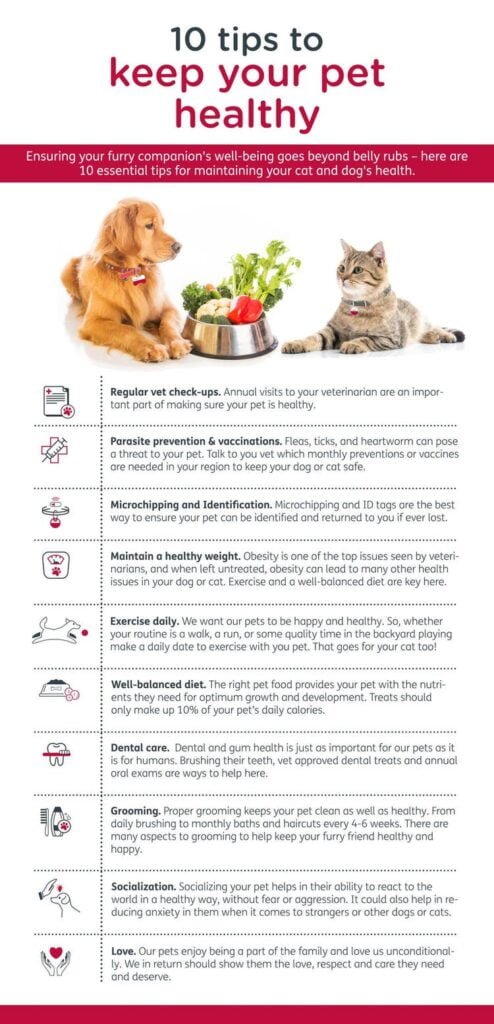
Routine vet visits are vital for maintaining your dog’s health. These check-ups allow for early detection of potential issues and keeping your dog up-to-date with vaccinations.
Annual Health Check
During an annual check-up, your vet will conduct a thorough physical exam, check your dog’s vital signs, and potentially run blood tests to ensure everything is functioning optimally.
Vaccinations
Vaccination schedules might vary, but essential vaccines typically include rabies, distemper, parvovirus, and hepatitis. Your vet will help you keep track of your dog’s vaccination schedule.
Dental Health
Oral health is often overlooked but is crucial to your dog’s overall health. Regular dental cleanings and at-home dental care, such as brushing your dog’s teeth and providing dental chews, can prevent serious health issues.
Supplements for Optimal Health
Supplementation can be a game-changer when it comes to optimizing your dog’s health. However, not all supplements are created equal.
Canine Wellness Supplements
These are designed to address specific health concerns, ranging from joint health to skin and coat care.
- Glucosamine and Chondroitin: Ideal for joint health, especially in senior dogs or those with arthritis.
- Omega-3 Fatty Acids: Beneficial for skin, coat, and joint health.
- Probiotics: Support digestive health and improve gut flora.
- Antioxidants: Aid in combating free radicals and improving overall health.
Natural Dog Remedies
Many dog owners are leaning towards natural remedies to avoid potential side effects of synthetic products. Ingredients like turmeric (for anti-inflammatory benefits) and coconut oil (for skin health) are gaining popularity.
High-Quality Ingredients
Always choose supplements that carry the NASC (National Animal Supplement Council) Quality Seal to ensure they are made with the highest quality ingredients. This seal indicates the product meets rigorous quality control standards.
Consulting Health Experts
Before starting any supplement regimen, consult health experts or veterinarians to tailor the approach based on your dog’s individual health needs.
Special Considerations for Dogs of All Ages
From puppies to senior dogs, each life stage has unique health needs. Let’s explore how to cater to these varying requirements.
Young Dogs
Puppies and young dogs are in the crucial growth phase, requiring a diet rich in proteins, fats, and essential nutrients. Regular vet check-ups to monitor growth and developmental progress are vital.
Adult Dogs
Maintaining a balanced diet and regular exercise becomes essential. Depending on the breed, your adult dog might need different types of exercise for optimal health.
Senior Dogs
Older dogs are prone to joint issues, obesity, and other age-related conditions. Specialized senior dog food and joint supplements like glucosamine and chondroitin can significantly improve their quality of life.
Common Health Concerns in Dogs
Understanding common health concerns can help you take preventive measures.
Skin and Coat Problems
Skin infections, allergies, and coat issues are common. Regular grooming, high-quality omega-3 fatty acids, and hypoallergenic shampoos can help maintain healthy skin and a shiny coat.
Digestive Issues
Gas, diarrhea, and constipation are signs of digestive problems. Probiotics and a balanced diet can help maintain a healthy gut.
Joint Problems
Arthritis and hip dysplasia are common in older dogs and certain breeds. Joint supplements containing glucosamine and chondroitin are beneficial.
Dental and Oral Health
Plaque, tartar, and gum disease are prevalent in dogs. Regular brushing and dental chews, along with periodic dental cleanings, can help maintain oral health.

Optimal Health Through Diet and Supplementation
Combining the best diet with the right supplements can ensure your dog’s health is optimized.
Best Diet Practices
Ensure your dog’s diet is:
- Rich in Protein: Supports muscle development and energy.
- Balanced with Carbohydrates and Fats: Provides necessary energy and supports metabolic functions.
- Loaded with Vitamins and Minerals: Essential for overall health.
Essential Nutrients and Supplements
Certain nutrients are vital for maintaining optimal health:
| Nutrient | Benefit | Food Source | Supplement |
|---|---|---|---|
| Protein | Muscle and tissue repair | Meat, Fish, Eggs | N/A |
| Omega-3 Fatty Acids | Skin, coat, joint, and heart health | Fish oil, Flaxseed | Fish oil |
| Probiotics | Digestive health | Yogurt, Fermented foods | Probiotics |
| Glucosamine and Chondroitin | Joint health and mobility | N/A | Supplements |
| Vitamins and Minerals | Overall health and immune support | Fruits, Vegetables, Meats | Multivitamin |
Special Diets for Specific Health Concerns
Some dogs may require special diets due to health issues. Always consult your vet to determine if your dog needs a special diet, such as grain-free, hypoallergenic, or prescription diets.
Vaccination and Preventive Health
Vaccines are crucial for preventing serious diseases. Regular vaccination schedules should never be skipped.
Core Vaccines
These vaccines are essential for all dogs:
- Rabies: Prevents a fatal viral infection.
- Distemper: Protects against a virus affecting respiratory, gastrointestinal, and nervous systems.
- Parvovirus: Prevents severe gastrointestinal disease.
- Hepatitis: Protects against a virus affecting the liver.
Non-Core Vaccines
Based on lifestyle and exposure risk, non-core vaccines like Lyme, Leptospirosis, and Bordetella may be recommended by your vet.

Conclusion
Ensuring your dog’s health is optimized requires a multifaceted approach involving balanced nutrition, regular exercise, routine veterinary check-ups, and appropriate supplementation. Tailor these practices to your dog’s age, breed, and specific needs, and you’ll be well on your way to providing them a long, happy, and healthy life.
Remember, your vet is your best partner in making informed decisions about your dog’s health. So, don’t hesitate to consult them on any concerns or questions you may have. Here’s to a healthy, wagging future for your furry friend!
Related posts:
 Essential Health Tips for Dog Owners to Ensure Canine Wellness
 How to Ensure the Health and Well-Being of Your Canine Companion
 Maintaining a Healthy Canine: Essential Practices for Dog Owners
 How Do Dog Owners Support Their Pet’s Health and Well-Being?
 Essential Veterinary-Recommended Health Supplies for Dog Owners
 What Dog Owners Should Know About Maintaining Their Dog’s Health
