

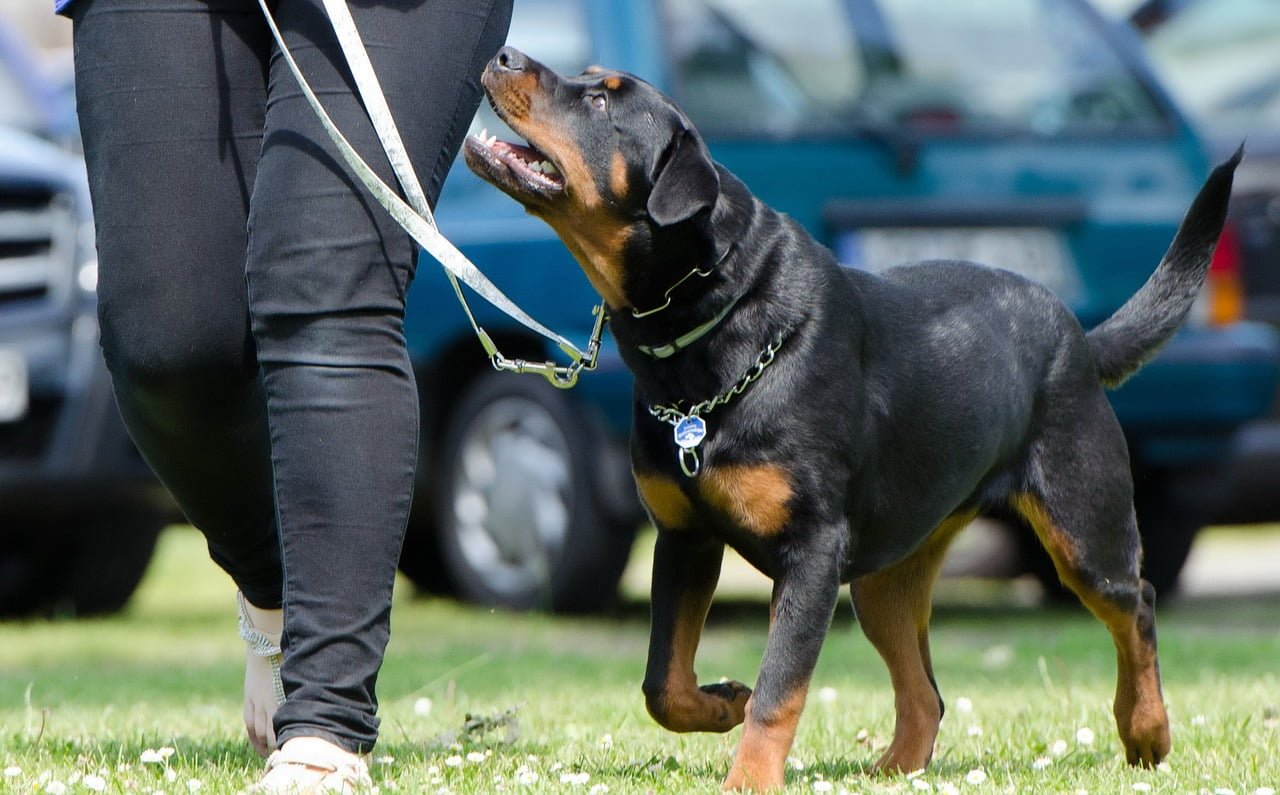
If you’re looking to boost your dog’s cognitive abilities while ensuring their overall health and happiness, “Games to Enhance Canine Problem-Solving Skills” is just what you need. This article delves into the fascinating world of interactive games that stimulate your furry friend’s brain, keeping them sharp and engaged. By incorporating tips from veterinary experts and exploring the benefits of quality health supplements, you’ll discover how to craft a holistic approach to your dog’s well-being. From puzzle toys to advanced training exercises, these games not only entertain but also promote healthy joint, skin, and oral health with the right dietary support, ensuring your companion remains vibrant and agile at any age. Have you ever wondered how you can help support your dog’s overall well-being while also nurturing their mental faculties? Giving your furry friend opportunities to use their brain can significantly boost their cognitive skills and overall happiness. In this friendly guide, we’ll explore a variety of games to enhance your canine’s problem-solving skills.
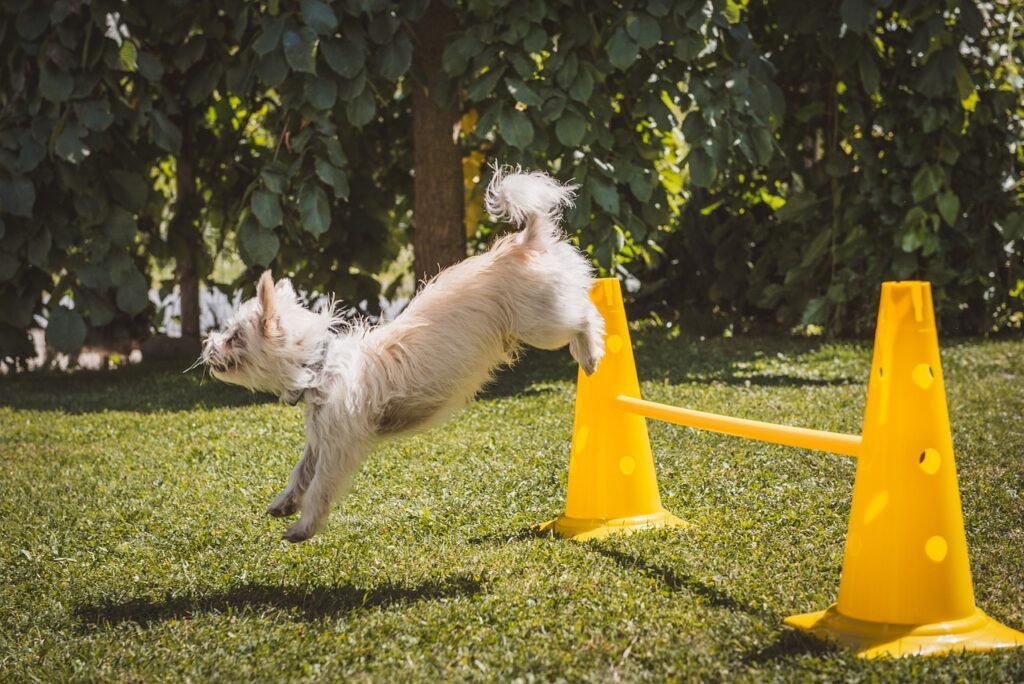
The Importance of Cognitive Enrichment
Just like humans, dogs need mental stimulation to maintain sharpness and prevent cognitive decline, especially as they age. Cognitive enrichment helps your pup stay engaged and can improve their quality of life. Engaging in problem-solving activities can also help deter behavioral issues that often arise from boredom.
Benefits of Cognitive Games for Dogs
- Mental Stimulation: Keeps their brain active and engaged.
- Behavioral Improvement: Reduces destructive behaviors stemming from boredom.
- Bonding Time: Enhances the relationship between you and your dog.
- Physical Exercise: Often combines mental challenges with physical activity.
- Supports Health: May offer both mental and physical benefits, contributing to overall health.
Types of Cognitive Games for Dogs
There are various games designed to challenge your dog’s problem-solving abilities. These can range from simple DIY activities to more complex, store-bought toys.
Puzzle Toys
Puzzle toys come in different designs, but they all serve the same purpose: to make your dog think. These toys are usually filled with treats that your dog has to figure out how to access.
- Example: KONG Classic Dog Toy, Nina Ottosson Dog Tornado Puzzle.
Benefits:
- Encourages focused activity.
- Can be used to slow down fast eaters.
Hide and Seek
Playing hide and seek with your dog can be a fun way to boost their problem-solving skills. You can hide yourself, a favorite toy, or treats around the house or yard.
- How to Play:
- Command your dog to sit and stay.
- Hide the object or yourself.
- Call your dog and let them use their senses to find you or the object.
Snuffle Mats
Snuffle mats are designed to hide treats within fabric strips that mimic grass. Your dog has to use their nose to sniff out and find the treats.
- Benefits:
- Stimulates their natural hunting instincts.
- Provides mental exercise and stress relief.
DIY Games
You can also create your own cognitive games at home using everyday items.
- Example:
- Cup Game: Use three cups and hide a treat under one, then shuffle them around and let your dog figure out which cup hides the treat.
Enhancing Problem-Solving Skills with Training
Incorporating problem-solving elements into regular training sessions can also boost cognitive development.
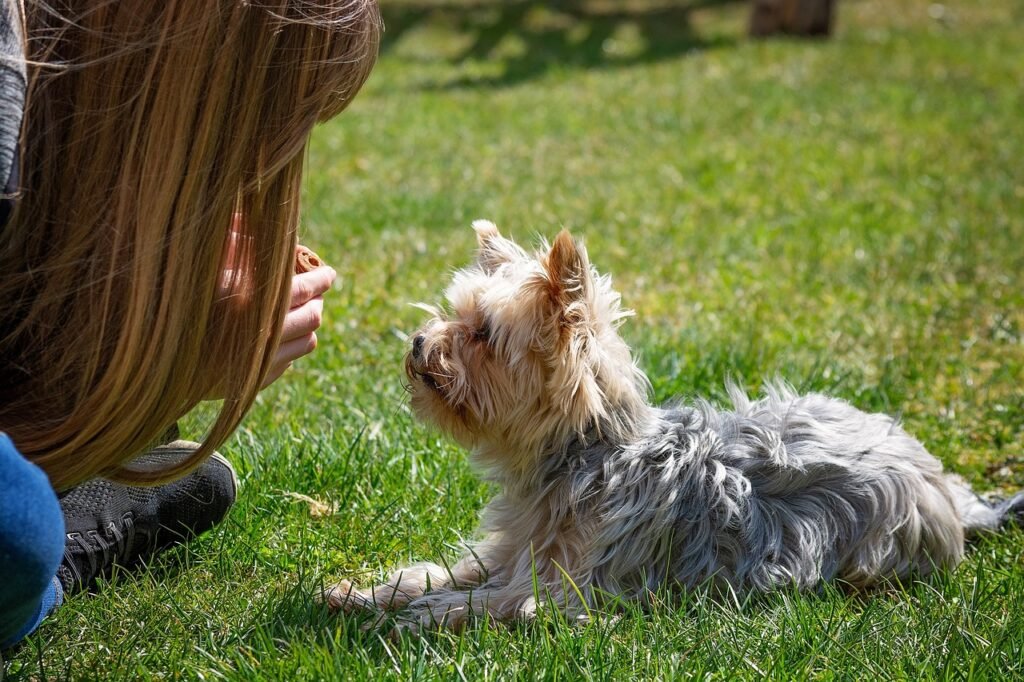
Clicker Training
Clicker training uses a clicking sound to signify that your dog has done something right, followed by a treat as a reward.
- Benefits:
- Improves focus and understanding.
- Engages the dog’s mind in learning new behaviors.
Obedience Training
Simple commands like “sit,” “stay,” and “come” can be modified into more complex commands to challenge your dog further.
- Example:
- Use a series of commands to create a mini obstacle course in your living room.
Cognitive Health and Wellness
A balanced diet and appropriate supplementation play a crucial role in maintaining cognitive health. Ensuring that your dog gets essential nutrients can support their mental sharpness and overall health.
Dog Health Products and Supplements
Supplements can be a valuable addition to your dog’s diet, specifically designed to support cognitive function and overall well-being.
| Supplement Type | Benefits |
|---|---|
| Omega-3 Fatty Acids | Supports brain health, anti-inflammatory properties. |
| Glucosamine and Chondroitin | Supports joint health, which can improve mobility and willingness to engage in activities. |
| Probiotics | Enhances gut health, which is often linked to better overall wellness, including mental health. |
| Multivitamins | Ensures balanced intake of essential nutrients. |
Recommended Dog Foods for Cognitive Health
Choosing the right dog food can also make a big difference. Look for foods that include ingredients known to support cognitive function.
| Ingredient | Benefits |
|---|---|
| Fish Oil | High in Omega-3 fatty acids, supports cognitive and immune functions. |
| Blueberries | Rich in antioxidants, good for brain health. |
| Pumpkin | Provides fiber and vitamins, supports digestive and overall health. |
| Spinach | Contains vitamins and antioxidants that support brain health. |
Consulting Your Veterinarian
Before introducing any significant changes to your dog’s diet or starting new supplements, it’s crucial to consult your veterinarian. They can provide personalized advice based on your dog’s breed, age, and specific health needs.
Specialist Advice
Veterinarians can guide you on the best products and practices to ensure your dog’s cognitive enrichment activities are safe and beneficial.
- Veterinary Organizations:
- American College of Veterinary
- American Veterinary Medical Association
Signs Your Dog Needs Cognitive Enrichment
Recognizing when your dog might benefit from cognitive enrichment is essential.
Behavioral Signs
- Destructive Behavior: Chewing, digging, or other destructive activities often indicate boredom or pent-up energy.
- Restlessness: Pacing, excessive barking, or difficulty settling down could signify that your dog needs more mental stimulation.
- Decline in Responsiveness: If your dog seems less responsive to commands or appears lethargic, cognitive games might help re-engage their mind.
Health Indicators
- Weight Gain: Resulting from lack of physical and mental activity.
- Joint Health Issues: Dogs with joint pain may be less physically active, thus needing more mental stimulation.
Tailoring Games to Your Dog’s Age and Health
Different dogs have different needs based on their age, breed, and health conditions.
Young Dogs
Young dogs are generally more energetic and can easily adapt to various games.
- Tips:
- Start with simple games and gradually increase complexity.
- Use games that also involve physical exertion to balance their high energy levels.
Older Dogs
Senior dogs may have decreased mobility but still benefit greatly from puzzle toys and gentle games.
- Tips:
- Opt for softer toys and activities that don’t require intense physical strain.
- Consider supplements like glucosamine and chondroitin to support joint health.
Dogs with Specific Health Conditions
Certain health issues may require specific types of games or the incorporation of supplements.
- Example:
- Dogs experiencing anxiety might benefit from calming activities like snuffle mats combined with a probiotic supplement to enhance gut health and, in turn, mental well-being.
Creating a Balanced Routine
Incorporating cognitive games into your dog’s daily routine can yield the best results for their overall health.
Sample Daily Routine
-
Morning:
- Brief walk or gentle physical activity.
- Puzzle Toy: Filled with a portion of their breakfast.
-
Afternoon:
- Hide and Seek: Use a favorite toy or treat.
-
Evening:
- Obedience Training Session: Incorporate clicker training.
- Snuffle Mat: For calming down before bed.
Consistency and Variety
Strive for a balance between consistency and variety to keep your dog engaged. Regularly introduce new games and training methods to continue challenging their cognitive abilities.
The Role of Diet in Cognitive Function
A balanced diet rich in essential nutrients plays a significant role in supporting cognitive health in dogs. Including specific foods and supplements can enhance their problem-solving abilities.
Essential Nutrients
Ensure your dog’s diet includes the following key nutrients:
- Protein: Fundamental for muscle and brain function.
- Healthy Fats: Like Omega-3 fatty acids for brain health.
- Antioxidants: Found in fruits and vegetables, these combat oxidative stress.
Supplementing for Cognitive Health
Consider adding supplements specifically aimed at cognitive health.
| Type | Benefits |
|---|---|
| Fish Oil/Omega-3 | Supports brain function and overall health. |
| Probiotics | Improves gut health, which can positively affect cognitive function. |
| Vitamin E | Known for its antioxidant properties, it supports brain health. |
Conclusion
Enhancing your canine’s problem-solving skills through cognitive games is a rewarding way to support their mental and physical well-being. From puzzle toys and hide-and-seek to snuffle mats and DIY games, there are countless ways to engage your pup’s brain. Combine these activities with a healthy diet and appropriate supplements for optimal results.
Remember, always consult your veterinarian before making significant changes to your dog’s routine or diet. By investing time in your dog’s cognitive health, you’re ensuring a happier, healthier, and more engaged furry friend. Happy playing!
Related posts:
 Enrichment Activities to Enhance Your Canine’s Health and Well-Being
 Interactive Games for Canine Mental Stimulation
 Canine Nose Games: Mental Stimulation Through Scent Work
 How to Improve Your Dog’s Socialization Skills with Canine Wellness Supplements
 How to Manage Your Canine’s Food Aggression: Tips and Products
 How to Improve Your Dog’s Health with Canine Wellness Supplements
