

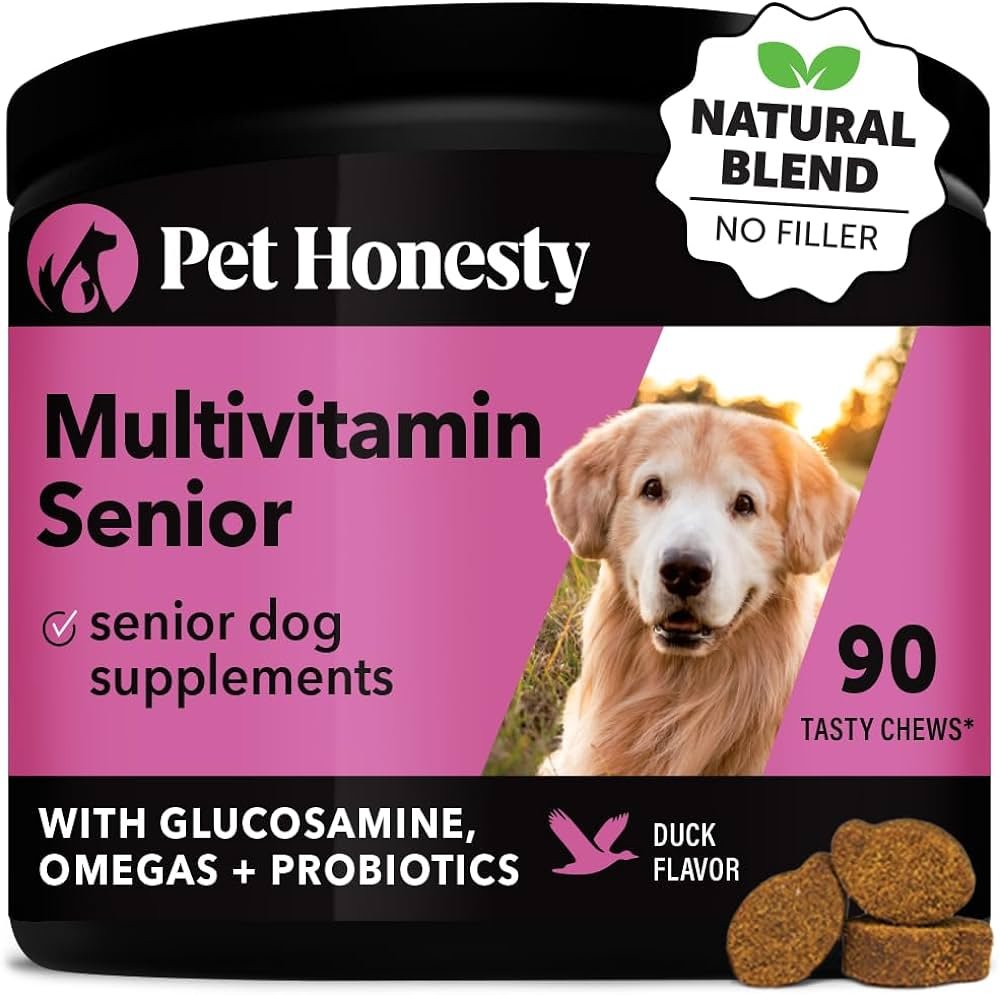
In “Essential Dog Vitamins and Supplements for Overall Health,” you will discover a guide that unlocks the secrets to keeping your furry friend in top shape. From understanding the essential nutrients your canine companion needs, to exploring natural and organic health products, this article provides a wealth of information tailored to dogs of all ages and breeds. You’ll learn how supplements like omega-3 fatty acids, glucosamine, and probiotics can support your dog’s joint, skin, and overall health. Veterinary experts weigh in on the best practices for incorporating these supplements into your dog’s diet, ensuring you can maintain or even improve your pet’s vitality and well-being. Dive in to find out how you can give your dog the best life possible through informed dietary choices and targeted supplementation. Have you ever wondered what essential vitamins and supplements your dog might need for optimal health? Just like humans, dogs require a well-balanced diet enriched with essential nutrients to support their overall health and well-being. Whether your canine companion is young or old, small or large, or has specific health concerns, the right vitamins and supplements can make a significant difference in their quality of life. Let’s dive into this friendly guide to understand the essentials of dog vitamins and supplements and their impact on your furry friend’s health.
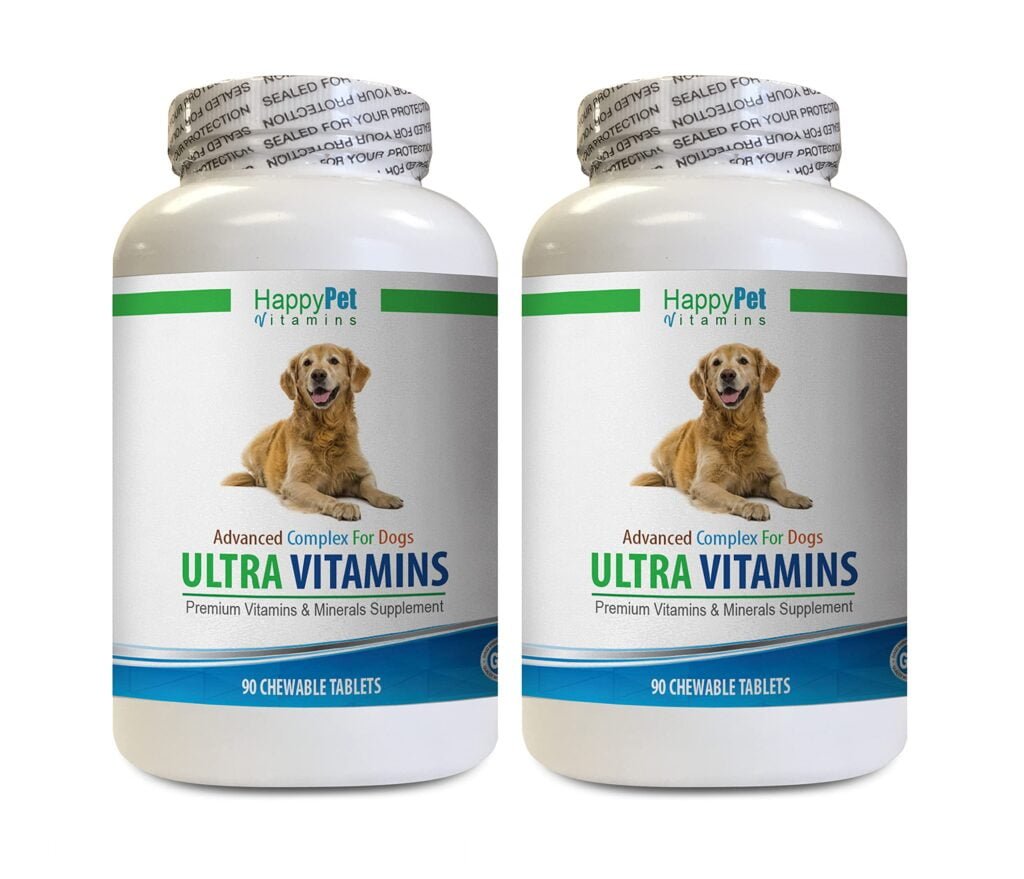
Why Supplements for Dogs?
Your dog’s diet is the cornerstone of their health. Although high-quality dog foods provide a balanced diet, certain factors might necessitate supplementation. Reasons to consider supplements include ensuring the intake of essential nutrients, addressing specific health concerns, or supporting dogs with changing needs due to aging or other conditions.
Health and Well-being
Your dog’s health and well-being depend on a variety of factors including diet, exercise, and routine veterinary care. Supplements can provide that extra support to maintain a healthy life.
Specific Health Conditions
Certain breeds or individual dogs have specific health conditions that can benefit from targeted supplementation, such as joint problems, skin issues, or digestive difficulties.
Common Dog Supplements
Knowing which supplements can support your dog’s health can be overwhelming. Here’s a breakdown of popular types of supplements for various health needs.
Joint Health
Joint health is crucial, especially for senior dogs or breeds prone to joint issues.
Glucosamine and Chondroitin
These are popular joint supplements often recommended for their role in supporting cartilage health and reducing inflammation.
Omega-3 Fatty Acids
Omega-3s are well-known for their anti-inflammatory properties and their ability to support joint health among other benefits.
Skin and Coat Health
A shiny coat and healthy skin are indicators of a well-nourished dog.
Omega-3 and Omega-6 Fatty Acids
Essential for maintaining healthy skin and a glossy coat, these fatty acids can also help with allergies and inflammatory skin conditions.
Digestive Health
A healthy digestive system is vital for nutrient absorption and overall well-being.
Probiotics
These beneficial bacteria can help maintain a healthy gut flora and improve digestion and immune function.
Immune Support
A strong immune system is the first line of defense against diseases.
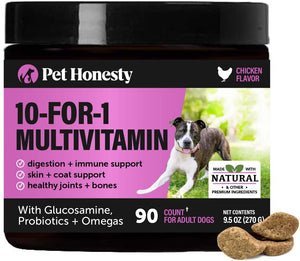
Multivitamins
A multivitamin ensures your dog is getting a broad spectrum of essential nutrients that might be missing from their diet.
Choosing the Right Supplements
Not all supplements are created equal. Here are some guidelines to help you choose the best for your dog.
Consult Your Veterinarian
Always talk to your veterinarian before starting any supplement regimen. They can provide guidance based on your dog’s specific needs and health conditions.
Look for Quality Seals
Supplements with quality seals from organizations such as the National Animal Supplement Council (NASC) indicate adherence to stringent quality standards.
Table: Popular Dog Supplements and Their Uses
| Supplement | Use |
|---|---|
| Glucosamine and Chondroitin | Joint health, supports cartilage and reduces inflammation |
| Omega-3 Fatty Acids | Joint health, skin and coat health, anti-inflammatory |
| Probiotics | Digestive health, immune system support |
| Multivitamins | General health, ensures intake of essential nutrients |
Benefits of Specific Vitamins for Dogs
Vitamin A
Vital for healthy vision, immune function, and cell growth, Vitamin A is an indispensable nutrient in your dog’s diet.
Vitamin C
Often associated with immune support, Vitamin C also acts as an antioxidant and can help reduce inflammation.
Vitamin D
This vitamin is crucial for bone health and calcium absorption. However, it’s important to ensure proper dosage as it can be toxic in high amounts.
Vitamin E
An antioxidant that helps combat oxidative stress and supports immune function.
B Vitamins
These include a range of nutrients such as B1 (Thiamine), B2 (Riboflavin), B3 (Niacin), B6 (Pyridoxine), B12, and folic acid, all of which are essential for metabolism, nervous system function, and overall energy levels.
Skin and Coat Health: The Role of Fatty Acids
Fatty acids, particularly Omega-3 and Omega-6, play significant roles in maintaining your dog’s skin and coat health. They assist in reducing inflammation, alleviate symptoms of allergies, and promote a shiny, healthy coat.
Natural Sources
Natural sources of these fatty acids include fish oil, flaxseed oil, and certain types of dog food enriched with these nutrients.
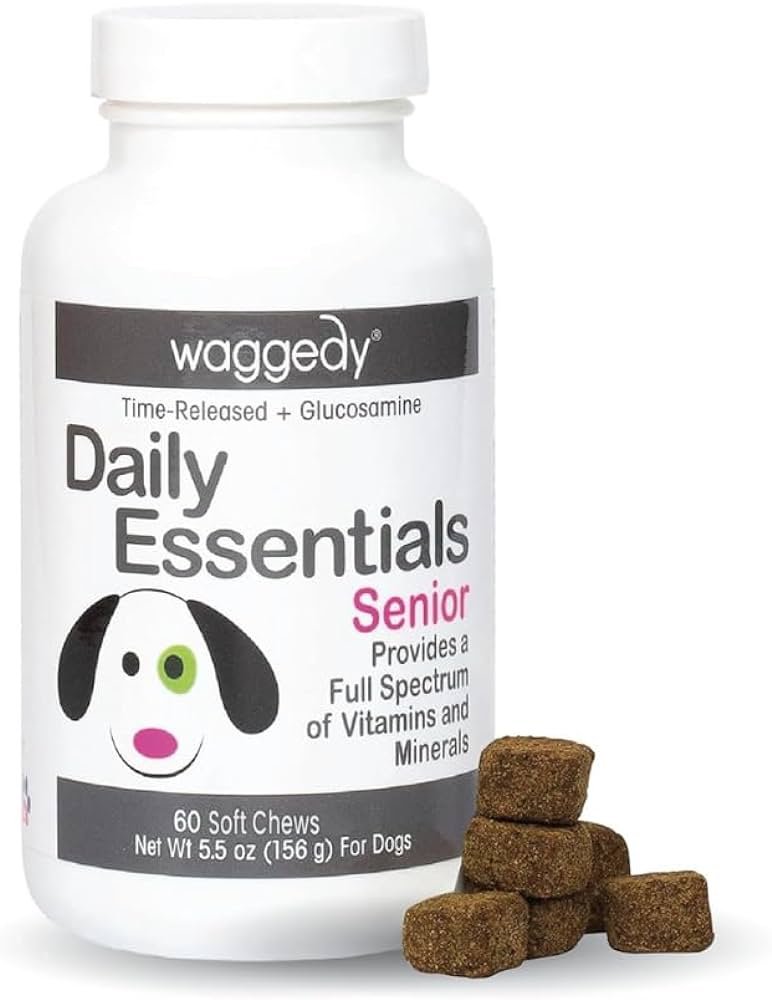
Oral Health: Importance of Dental Supplements
Oral health is sometimes overlooked but it’s critical for your dog’s overall health. Poor dental health can lead to more serious conditions like heart disease.
Dental Chews and Enzymatic Toothpaste
These products can help maintain clean teeth and fresh breath, and are often easier to administer than traditional brushing.
Joint Supplements: Ensuring Mobility and Comfort
Joint health is a common concern, especially in older dogs or breeds prone to arthritis and other joint issues. Supplements like glucosamine and chondroitin can provide the necessary support to maintain joint health and comfort.
Hip and Joint Formulas
Many products combine several ingredients to support hip and joint health, including glucosamine, chondroitin, MSM, and hyaluronic acid.
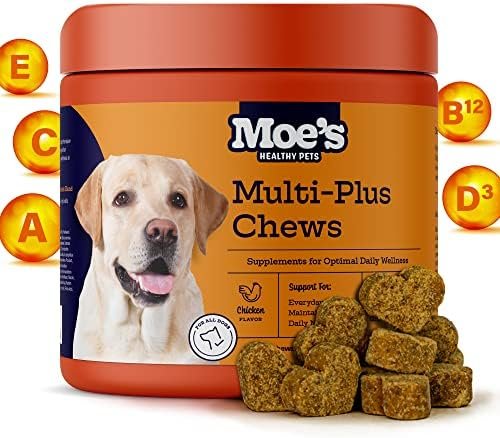
Growing Dogs: Nutrient Needs for Puppies and Young Dogs
Puppies and young dogs have different nutritional requirements compared to adults or seniors. They need a diet rich in protein, fats, vitamins, and minerals to support their rapid growth and development.
DHA for Brain Development
Docosahexaenoic acid (DHA), an Omega-3 fatty acid, is crucial for brain and vision development in puppies.
Senior Dogs: Supporting Aging Canines
As dogs age, their nutritional needs change. Senior dogs often benefit from supplements that support joint health, cognitive function, and overall vitality.
Antioxidants for Cognitive Health
Antioxidants such as Vitamin E, Vitamin C, and Coenzyme Q10 can help support cognitive health and combat age-related decline.
Natural Dog Remedies: Organic and Holistic Options
Many dog owners prefer natural or organic supplements to support their pets’ health.
Herbal Supplements
Herbs like turmeric and milk thistle can provide anti-inflammatory and liver-supportive benefits, respectively.
Organic Supplements
Organic supplements ensure that there are no harmful chemicals or additives, providing a cleaner option for your dog’s health.
Reading Labels: What to Look For
Being informed about what’s in your dog’s supplements is crucial to ensure their effectiveness and safety.
Active Ingredients
Always check the active ingredients to ensure they meet your dog’s health needs.
Fillers and Additives
Avoid supplements with unnecessary fillers, artificial colors, and preservatives.
Dosage Instructions
Follow dosage instructions based on your dog’s weight and age, and consult with your veterinarian for personalized advice.
Can Supplements Replace a Balanced Diet?
While supplements can provide additional nutrients, they should not replace a balanced diet. High-quality dog food designed for your dog’s specific needs is the foundation of good health.
Complementary Role
Supplements are meant to complement, not replace, a balanced diet. They can fill nutritional gaps and support specific health concerns but should be used judiciously.
Conclusion: Ensuring Your Dog’s Overall Health
Understanding the role of vitamins and supplements in your dog’s health can help you make informed decisions. Remember, each dog is unique, and their needs may vary. Always consult with your veterinarian to create a balanced diet and supplement plan most suitable for your canine companion’s overall health and well-being. With the right approach, you can help ensure that your furry friend enjoys a long, healthy, and happy life.
Related posts:
 Essential Vitamins and Supplements for Your Dog’s Health
 How Canine Wellness Supplements Improve Overall Dog Health?
 Supporting Your Dog’s Health: Essential Supplements and Care Tips
 What Are the Essential Nutrients for Maintaining a Dog’s Health?
 The One Essential Canine Health Product Every Dog Owner Needs
 Why Omega-3 Fatty Acids Are Essential for Your Dog’s Health
