
Delving into the world of canine health, “Signs of Food Allergies in Dogs: Advice from a Veterinarian” offers you essential insights straight from a trusted veterinary expert. In this article, you’ll learn how to identify common symptoms of food allergies in dogs, ensuring you’re well-equipped to support your furry friend’s overall well-being. From observing changes in skin health, digestion, and coat quality to understanding the role of specialized dog foods and supplements like omega-3 fatty acids and glucosamine, this guide highlights practical steps and effective treatments. For any attentive dog owner, this piece is a valuable resource to maintain and improve your companion’s health with the highest quality care. Have you ever noticed your dog scratching more than usual or dealing with persistent ear infections? It might be time to consider if your furry friend has food allergies. In this friendly and informative article, we’ll explore the signs of food allergies in dogs, all with advice from a veterinarian.
What Are Food Allergies in Dogs?
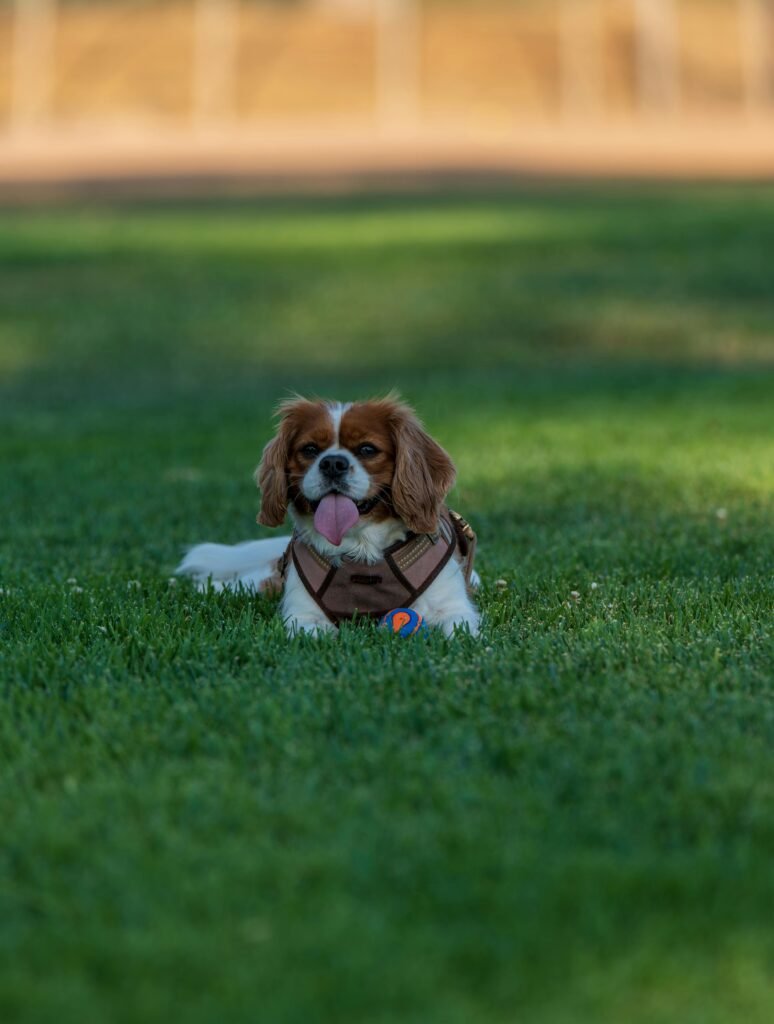
Food allergies in dogs occur when their immune system mistakenly identifies a specific ingredient in their food as harmful. This triggers an allergic reaction which can vary from mild to severe. Unlike humans, who often experience respiratory symptoms, dogs primarily exhibit skin and gastrointestinal symptoms.
Food allergies are different from food intolerances. While allergies involve an immune response, intolerances typically result in digestive upset without the immune system being involved.
Common Signs of Food Allergies
Recognizing the signs of food allergies in dogs can help you take proactive steps to manage their symptoms effectively. Here are the most common indicators:
1. Itchy Skin
One of the most frequent signs of a food allergy in dogs is persistent itching. This can be localized to the face, paws, ears, and belly, or it can be more generalized. Dogs may scratch, lick, or chew at their skin to relieve the irritation.
2. Ear Infections
Frequent or chronic ear infections can be a sign of a food allergy. If your dog has recurring ear problems, it might be worth looking into their diet.
3. Gastrointestinal Issues
Food allergies can cause gastrointestinal disturbances in dogs, such as:
- Vomiting
- Diarrhea
- Gas
- Upset stomach
- Changes in bowel movements
4. Red, Inflamed Skin
Skin inflammation, including redness and swelling, especially around the face, paws, underarms, and groin area, can indicate a food allergy.
5. Hot Spots
Hot spots, which are areas of infected skin that can become moist, red, and painful, may develop due to excessive licking and scratching.
6. Hair Loss
Constant scratching and licking can lead to hair loss in certain areas. If you see bald patches on your dog’s body, it could be a result of a food allergy.
7. Chronic Gas and Bloating
Excessive gas and bloating are also common signs, as the dog’s digestive system struggles to process the allergen.
8. Paw Licking
Dogs with food allergies often lick and chew their paws excessively. This can sometimes lead to secondary bacterial or yeast infections.

Breeds Prone to Food Allergies
Some breeds are more prone to food allergies than others. While any dog can develop food allergies, certain breeds are genetically predisposed.
- Labrador Retrievers: Known for their love of food, Labradors can develop allergies to common ingredients.
- Golden Retrievers: Another popular breed that often faces food-related allergic reactions.
- Boxers: Boxers are known to develop allergies, including those related to their diet.
- Bulldogs: Bulldogs often experience skin and gastrointestinal symptoms due to food allergies.
- German Shepherds: This breed is prone to several health issues, including food allergies.
- Dachshunds: Dachshunds, with their sensitive skin, are also at risk.
Diagnosing Food Allergies in Dogs
Veterinary Consultation
The first step in diagnosing food allergies is to consult your veterinarian. They will conduct a thorough examination of your dog and ask about their medical history, symptoms, and diet.
Elimination Diet
One of the most effective methods to diagnose food allergies in dogs is an elimination diet. This involves feeding your dog a diet free from common allergens and gradually reintroducing ingredients to identify the culprit.
Blood Tests and Skin Tests
While blood tests and skin tests are available, they are generally considered less reliable than an elimination diet. However, they can still provide useful information and are often used in conjunction with dietary trials.

Common Allergens in Dog Food
Certain ingredients are more likely to cause food allergies in dogs. Here are some common allergens:
- Proteins: Beef, chicken, lamb, pork, eggs, and dairy are frequent culprits of food allergies.
- Carbohydrates: Corn, wheat, soy, and certain grains can also cause allergic reactions.
- Additives: Artificial colors, flavors, and preservatives can trigger allergic responses in some dogs.
| Common Allergens | Examples |
|---|---|
| Proteins | Beef, chicken, lamb, pork, eggs, dairy |
| Carbohydrates | Corn, wheat, soy, certain grains |
| Additives | Artificial colors, flavors, preservatives |
Managing Food Allergies
Once a food allergy is identified, managing it involves eliminating the allergen from your dog’s diet. Here are some steps you can take:
Choose Hypoallergenic Diets
Hypoallergenic diets use novel proteins and carbohydrates that your dog has not been exposed to before. These diets may include ingredients like duck, venison, or sweet potatoes.
Opt for Limited Ingredient Diets
Limited ingredient diets contain fewer components, reducing the likelihood of allergic reactions. They help identify the precise ingredient causing the allergy while still providing balanced nutrition.
Consider Homemade Diets
In consultation with your veterinarian or a canine nutritionist, you might opt for a homemade diet. This allows you complete control over the ingredients and can help avoid allergens.
Use Supplements to Support Health
Supporting your dog’s overall health can make managing food allergies easier. Supplements can provide essential nutrients that your dog may be missing out on due to dietary restrictions.
Omega-3 Fatty Acids
Omega-3 fatty acids are known for their anti-inflammatory properties and can help manage allergy symptoms. Look for fish oil supplements designed for dogs.
Probiotics
Probiotics support gut health and can be beneficial for dogs with gastrointestinal issues due to food allergies.
Skin and Coat Supplements
Supplements to support skin health can help manage itching and inflammation. These often contain ingredients like vitamin E, biotin, and essential fatty acids.
Joint Supplements
For dogs experiencing joint issues, glucosamine and chondroitin can help support joint health and mobility.
| Type of Supplement | Benefits |
|---|---|
| Omega-3 Fatty Acids | Anti-inflammatory, supports skin and coat health |
| Probiotics | Supports gut health |
| Skin and Coat Supplements | Manages itching and inflammation |
| Joint Supplements | Supports joint health and mobility |
Prevention and Long-Term Management
Avoiding allergens and maintaining your dog’s overall health are key to preventing allergic reactions and ensuring long-term well-being.
Regular Veterinary Check-Ups
Frequent vet visits can help monitor your dog’s health and catch any potential issues early. Your veterinarian can also provide guidance on managing food allergies.
Routine Dental Care
Oral health is an important aspect of your dog’s overall health. Dental issues can sometimes exacerbate allergies, so regular cleanings and dental check-ups are essential.
Balanced Diet
A complete and balanced diet is crucial for maintaining your dog’s overall health. Ensure they receive all essential nutrients, either through food or supplements.
Observation and Monitoring
Keep an eye on your dog’s symptoms and monitor any changes. Early detection of allergic reactions can help you make timely adjustments to their diet.
Conclusion
Identifying and managing food allergies in dogs can be challenging, but with the right approach and guidance, you can help your furry friend lead a healthy and comfortable life. Always consult with your veterinarian when you suspect food allergies, as professional advice is crucial for accurate diagnosis and effective management.
By understanding the signs of food allergies and taking proactive steps, you’ll be well on your way to ensuring your dog’s health and well-being. Don’t forget to explore hypoallergenic diets, supplements, and regular veterinary care to support your dog’s overall health.
Remember, you’re not alone in this journey. Your veterinarian and health experts are there to guide and support you every step of the way. Here’s to happy, healthy tails and bright, wagging smiles!
Related posts:
 Dietary Considerations for Dogs with Allergies
 Natural Remedies for Dog Allergies: Support Your Pup’s Skin Health
 Does Your Dog Have a Good Appetite and Regular Bowel Movements? Talk to Your Veterinarian
 How to Care for Dog Health with Veterinarian Tips
 The Importance of Protein in Your Dog’s Diet: A Veterinarian’s Perspective
 How to Stop Your Dog from Jumping on People: Tips from a Veterinarian