


In “The Role of Probiotics in Your Dog’s Digestive Health,” you’ll explore how these beneficial microorganisms can significantly impact your furry friend’s digestive system and overall well-being. Probiotics are essential in maintaining a balanced gut flora, which helps support not only digestion but also the immune system, skin health, and even joint health. By understanding the benefits of probiotics and how to incorporate them into your dog’s diet, you can help ensure your canine companion enjoys a happier, healthier life. From young pups to senior dogs, probiotics play a crucial role in fostering optimal health and vitality, making them an invaluable addition to your pet’s wellness regimen. Have you ever wondered about the role probiotics play in your dog’s digestive health? If you’re a dog owner who cares deeply about your furry friend’s well-being, you’re about to embark on a friendly and informative journey through the fascinating world of canine probiotics.
Understanding Probiotics
What Are Probiotics?
Probiotics are live microorganisms that, when administered in adequate amounts, confer a health benefit on the host. For dogs, these beneficial bacteria primarily reside in the digestive system, helping maintain a balanced gut flora.
The Origins of Probiotics
The use of probiotics has ancient roots, with fermented foods and dairy products consumed for their health benefits long before the microorganisms within them were discovered.
Types of Probiotics for Dogs
There are several strains of probiotics, each with unique benefits:
- Lactobacillus: Often found in yogurt, this strain helps break down lactose and combat harmful bacteria.
- Bifidobacterium: This strain aids in breaking down carbohydrates and fighting off bad bacteria.
- Bacillus coagulans: This spore-forming probiotic supports immune function and enhances digestive processes.
The Digestive System of Dogs
The Canine Digestive Tract
The dog’s digestive system is complex, from the mouth to the stomach and intestines. Each part plays a crucial role in breaking down food and absorbing nutrients.
Importance of Gut Health
A healthy gut is integral to your dog’s overall health. It ensures proper digestion, nutrient absorption, and waste elimination. A balanced gut flora is also vital in preventing illnesses and supporting the immune system.
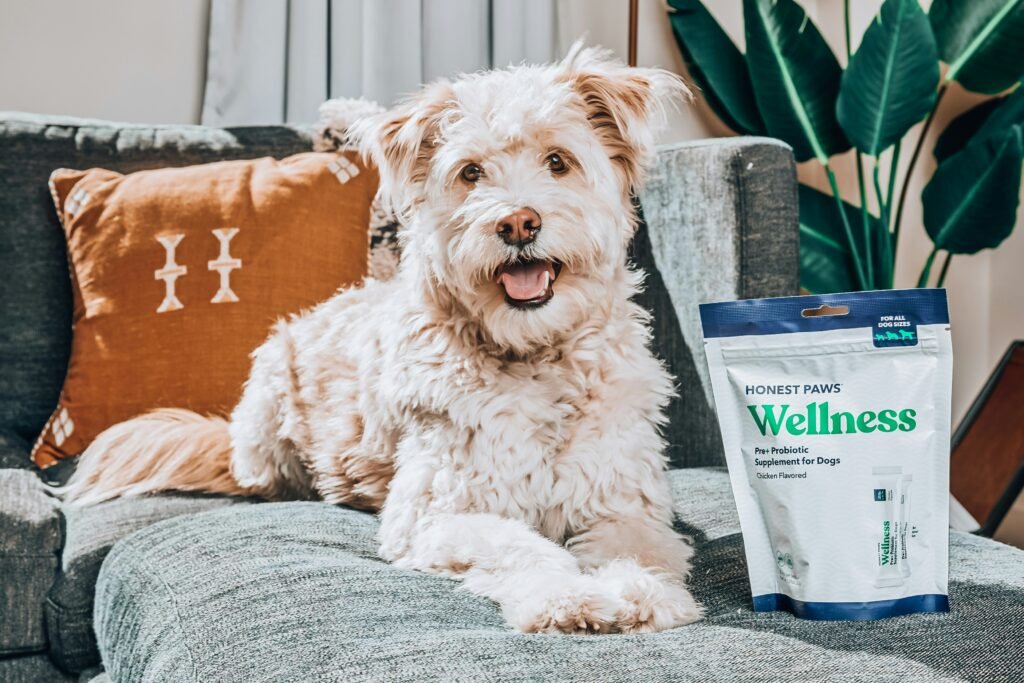
Benefits of Probiotics for Dogs
Improves Digestion
Probiotics help break down food more efficiently, ensuring that your dog gets the maximum nutritional benefit from their diet.
Enhances Nutrient Absorption
By maintaining a balanced gut flora, probiotics ensure that nutrients are absorbed more effectively, contributing to your dog’s overall well-being.
Boosts Immune Health
A significant portion of the immune system resides in the gut. Probiotics help bolster the immune function, making your dog more resilient to diseases.
Supports Normal Bowel Movements
Probiotics can help regulate bowel movements, reducing issues like diarrhea and constipation. This is particularly beneficial for dogs with digestive sensitivities.
Reduces Allergies and Skin Conditions
Certain probiotic strains can help manage allergies and improve skin health, reducing itchiness and skin infections.
Helps Maintain a Healthy Weight
Probiotics can play a role in weight management by improving metabolism and aiding in the absorption of essential nutrients.
How to Choose the Right Probiotic for Your Dog
Consult Your Veterinarian
Before introducing any new supplement, it’s crucial to talk to your vet. They can recommend a product based on your dog’s specific health needs.
Check the Strain and CFUs
Look for probiotics with a variety of strains and a high count of colony-forming units (CFUs). This ensures a broader range of benefits.
Look for NASC Quality Seal
Choosing products with the National Animal Supplement Council (NASC) quality seal ensures high manufacturing standards and ingredient quality.
Consider the Form
Probiotics come in various forms, including powders, capsules, chews, and yogurt. Select a form that is easiest for you to administer and your dog to consume.

Common Probiotic-Related Terms
| Term | Definition |
|---|---|
| Probiotics | Live microorganisms that promote health benefits when administered properly |
| CFUs | Colony-Forming Units, a measure of viable bacterial cells in probiotics |
| Gut flora | The community of microorganisms residing in the digestive tract |
| NASC Quality Seal | Certification ensuring quality and safety of animal supplements |
Incorporating Probiotics Into Your Dog’s Diet
Natural Sources of Probiotics
Here are some natural sources of probiotics that can be easily incorporated into your dog’s diet:
| Source | Probiotic Benefit |
|---|---|
| Yogurt | Contains Lactobacillus, which aids in lactose digestion and combats bad bacteria |
| Kefir | Rich in beneficial bacteria and yeasts, supports overall gut health |
| Sauerkraut | Fermented cabbage that introduces a variety of good bacteria |
| Pumpkin | Acts as a prebiotic, feeding the good bacteria in the gut |
Commercial Probiotic Supplements
Commercial supplements can offer more controlled and concentrated doses of probiotics. When choosing these:
- Ensure they contain clinically proven strains
- Check for third-party testing and certifications
- Read reviews and follow dosage instructions
Homemade Probiotic Treats
Making your homemade probiotic treats can be a rewarding project. You can control the ingredients and avoid artificial additives. Here’s a simple recipe:
Homemade Probiotic Dog Biscuits
Ingredients:
- 2 cups of oat flour
- 1 cup of plain yogurt
- 1/4 cup of natural peanut butter
- 1/2 cup of grated carrot
Instructions:
- Preheat your oven to 350°F (175°C).
- Mix all ingredients in a bowl until the dough forms.
- Roll out the dough and cut into shapes with a cookie cutter.
- Place on a baking sheet and bake for 20-25 minutes.
- Allow cooling before serving.
Dosage and Frequency
General Guidelines
The right dosage varies by product and your dog’s size, health, and age. Commonly, dosages are:
| Dog Size | Dosage |
|---|---|
| Small Dogs | 1-3 billion CFUs/day |
| Medium Dogs | 3-5 billion CFUs/day |
| Large Dogs | 5-10 billion CFUs/day |
Always begin with a lower dose, increasing gradually to avoid digestive upset. Monitor your dog’s reactions and consult your vet for personalized advice.

Common Myths About Probiotics for Dogs
Myth 1: All Probiotics Are the Same
Not all probiotics offer the same benefits. Different strains have unique properties, and it’s essential to choose the right one for your dog’s specific needs.
Myth 2: My Dog Needs Probiotics Only When Sick
While probiotics can help during illness, they are also beneficial for maintaining regular digestive health and preventing potential issues.
Myth 3: Human Probiotics Are Safe for Dogs
Human probiotics are not always suitable for dogs due to differences in species-specific gut flora. Always choose probiotics specifically formulated for canines.
Myth 4: Probiotics Work Immediately
Probiotics can take some time to show noticeable effects. Consistent use over a few weeks is necessary to observe significant health improvements.
Potential Side Effects of Probiotics
Initial Digestive Upset
Some dogs might experience mild digestive upset, such as gas or diarrhea, when first starting probiotics. This usually subsides within a few days.
Allergic Reactions
Though rare, some dogs may be allergic to specific probiotic strains or ingredients in commercial products. If you notice any allergic reactions, discontinue use and consult your vet.
Probiotics and Pre-existing Conditions
Dogs with certain pre-existing conditions, like immune-compromised states, should use probiotics under strict veterinary guidance to avoid potential complications.
Probiotics and Other Dog Health Products
Probiotics and Multivitamins
Combining probiotics with multivitamins can enhance overall health, providing a comprehensive approach to your dog’s well-being.
Joint Health Supplements
Probiotics can synergize with joint health supplements like glucosamine and chondroitin, helping to optimize nutrient absorption and reduce inflammation.
Skin and Coat Health Supplements
Probiotics, when combined with omega-3 fatty acids and other skin health supplements, can improve your dog’s skin condition and coat appearance.
Dental Health and Probiotics
Probiotics contribute to oral health by reducing harmful bacteria in the mouth, potentially reducing plaque and improving overall dental hygiene.
Monitoring Your Dog’s Health
Signs That Probiotics Are Working
You might notice improvements in your dog’s digestion, reduced stool odor, enhanced coat shine, and increased energy levels.
When to Consult a Veterinarian
If your dog shows severe digestive issues or doesn’t improve with probiotics, it’s crucial to seek veterinary advice. Persistent problems may indicate underlying health conditions.
Regular Health Check-ups
Integrating probiotics is part of a broader health maintenance strategy. Regular vet visits, vaccinations, and dental cleanings are crucial for your dog’s health.
Conclusion
Probiotics play a vital role in maintaining and enhancing your dog’s digestive health and overall well-being. By understanding the benefits, selecting the right products, and incorporating probiotics into your dog’s diet thoughtfully, you can ensure your furry friend leads a happy, healthy life. Always consult your veterinarian for personalized advice and monitor your dog’s health to reap the full rewards of probiotic supplementation. Remember, a healthy dog is a happy dog!
Thank you for taking the time to learn about probiotics and your dog’s digestive health. Here’s to many more happy and healthy years with your beloved furry friend!
Related posts:
 The Role of Magnesium in Your Dog’s Muscle and Nerve Function
 The Role of Zinc in Maintaining Your Dog’s Immune System and Skin Health
 How Do Probiotics Benefit My Dog’s Health?
 Natural Remedies for Dog Digestive Issues: Promote a Healthy Gut
 Dietary Considerations for Dogs with Allergies
 The Role of Mental Stimulation in Your Dog’s Health